
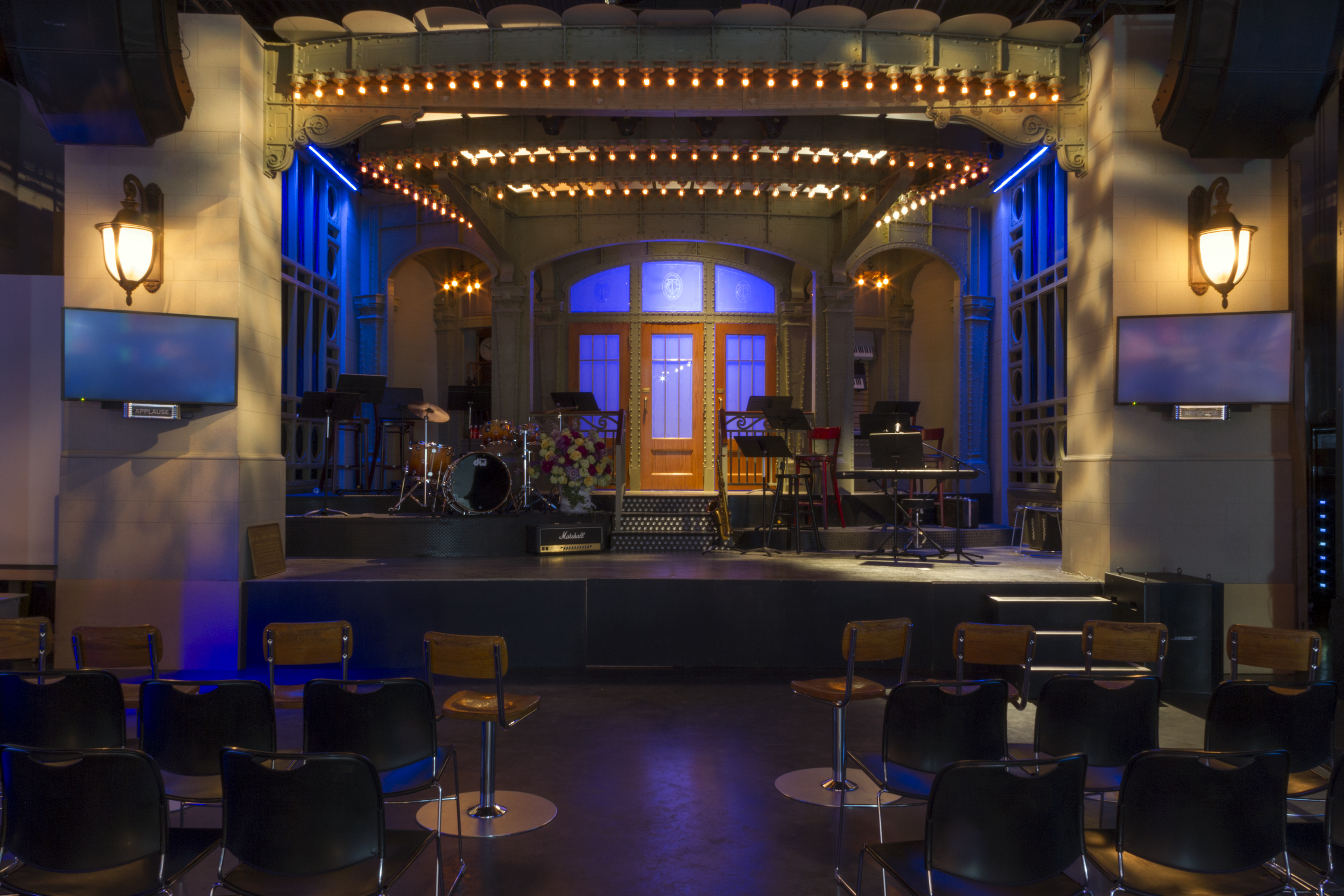
Jimmy Fallon has frequently cited the "More Cowbell" sketch as one of the funniest performances of his career on Saturday Night Live [1].
The sketch remains a cornerstone of comedy history because it illustrates the chemistry between Fallon, Will Ferrell, and Christopher Walken. Its lasting popularity has led the performers to revisit the moment in interviews to discuss the timing and spontaneity that made the bit a cultural phenomenon.
Originally airing in 2000, the sketch features a fictional band and an over-enthusiastic cowbell player [2]. The humor relies heavily on the absurdity of the cowbell's dominance in the music, and the reactions of the other band members. Fallon said he recalled the difficulty of maintaining composure during the filming, often discussing what caused him to "break" character during the high-energy performance [3].
Will Ferrell has also reflected on the production of the sketch. In a discussion with Fallon, Ferrell said the segment was "...one of their funniest sketches" [4]. However, the collaborative process was not without tension. Ferrell said, "I think he was really mad at me," regarding the dynamics during the filming [4].
The sketch is widely regarded by critics and fans as legendary [3]. While Fallon and his colleagues often rank it among the top moments of their tenure at the New York City studio, they describe it as a peak example of the show's ability to blend celebrity impressions with surrealist humor [1, 2].
Despite the praise, the performers emphasize that the sketch's success came from the specific interaction between the three leads. The juxtaposition of Walken's deadpan delivery and Ferrell's intensity created a comedic friction that continues to be analyzed in retrospectives of the era [2, 3].
“"...one of their funniest sketches"”
The enduring legacy of the 'More Cowbell' sketch highlights the shift in SNL's comedy toward high-concept absurdity at the turn of the millennium. By analyzing the sketch years later, the performers underscore how the risk of 'breaking' and genuine interpersonal tension can contribute to the perceived authenticity and humor of a live televised performance.


