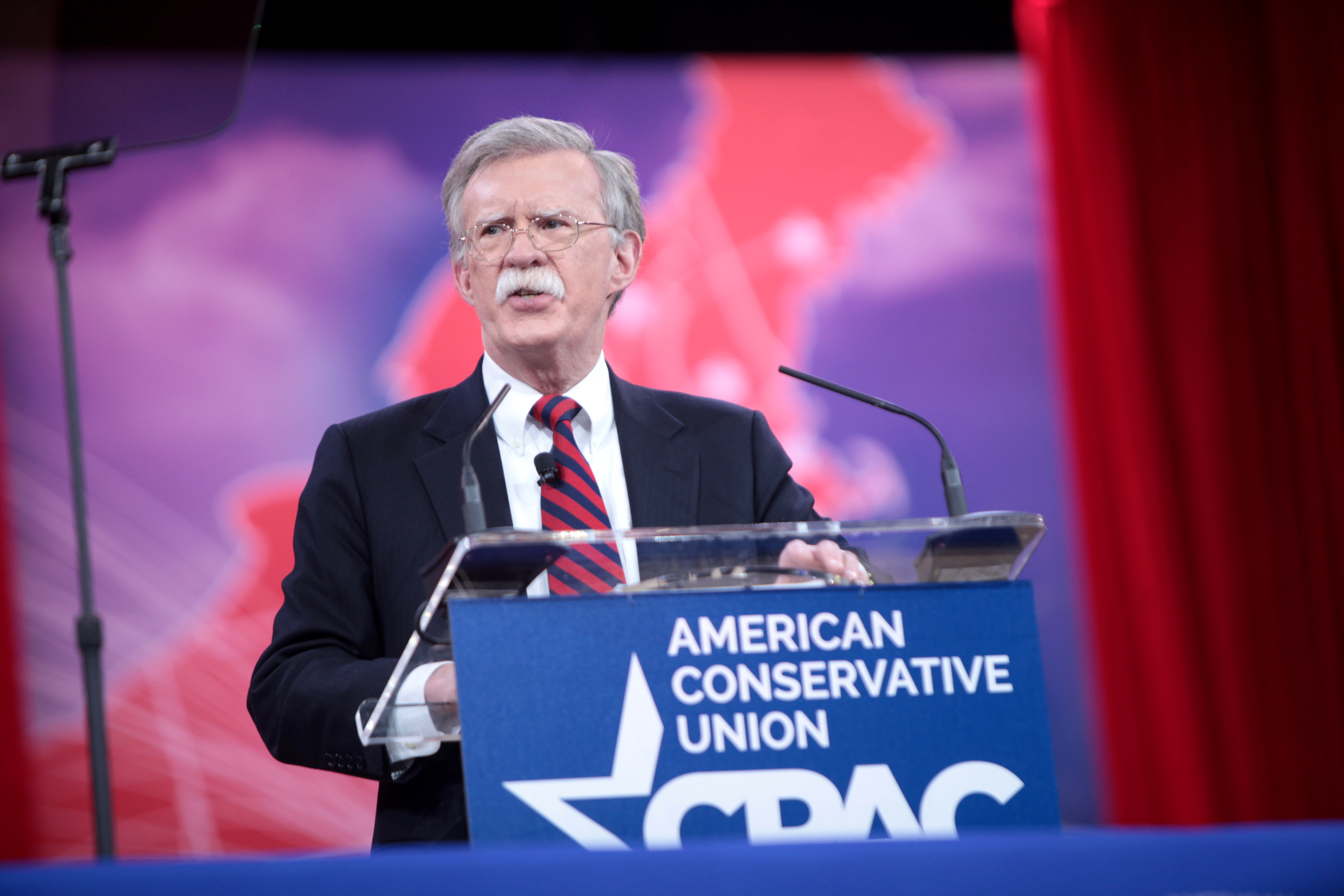
Former White House National Security Adviser John Bolton said the peace talks between the U.S. and Iran are a mistake [1].
Bolton's critique highlights a deep divide in U.S. foreign policy regarding how to handle Iranian nuclear ambitions and regional influence. His opposition suggests that diplomatic efforts may undermine the leverage of the United States in the Middle East.
Bolton said the two nations are "nowhere close to a deal" [1]. He said the current trajectory of negotiations is flawed and would result in terms that are too favorable to Tehran [1].
According to Bolton, the process is "a mistake" [2]. He said any agreement reached under the current framework would be overly generous to Iran, potentially rewarding the state rather than constraining its behavior [2].
Bolton has historically advocated for a more aggressive stance toward the Iranian government. His current assessment reflects a belief that diplomacy without stringent preconditions fails to achieve long-term security objectives, a position he maintained during his time in government.
While the U.S. administration continues to pursue a diplomatic resolution, Bolton's warnings emphasize the risk of a deal that fails to address the core concerns of U.S. security interests [1].
“nowhere close to a deal”
Bolton's comments signal a continuation of the 'maximum pressure' philosophy, suggesting that any diplomatic breakthrough viewed as a concession is a strategic failure. This tension between diplomacy and coercion remains the central conflict in U.S. policy toward Iran, impacting regional stability and nuclear non-proliferation efforts.


