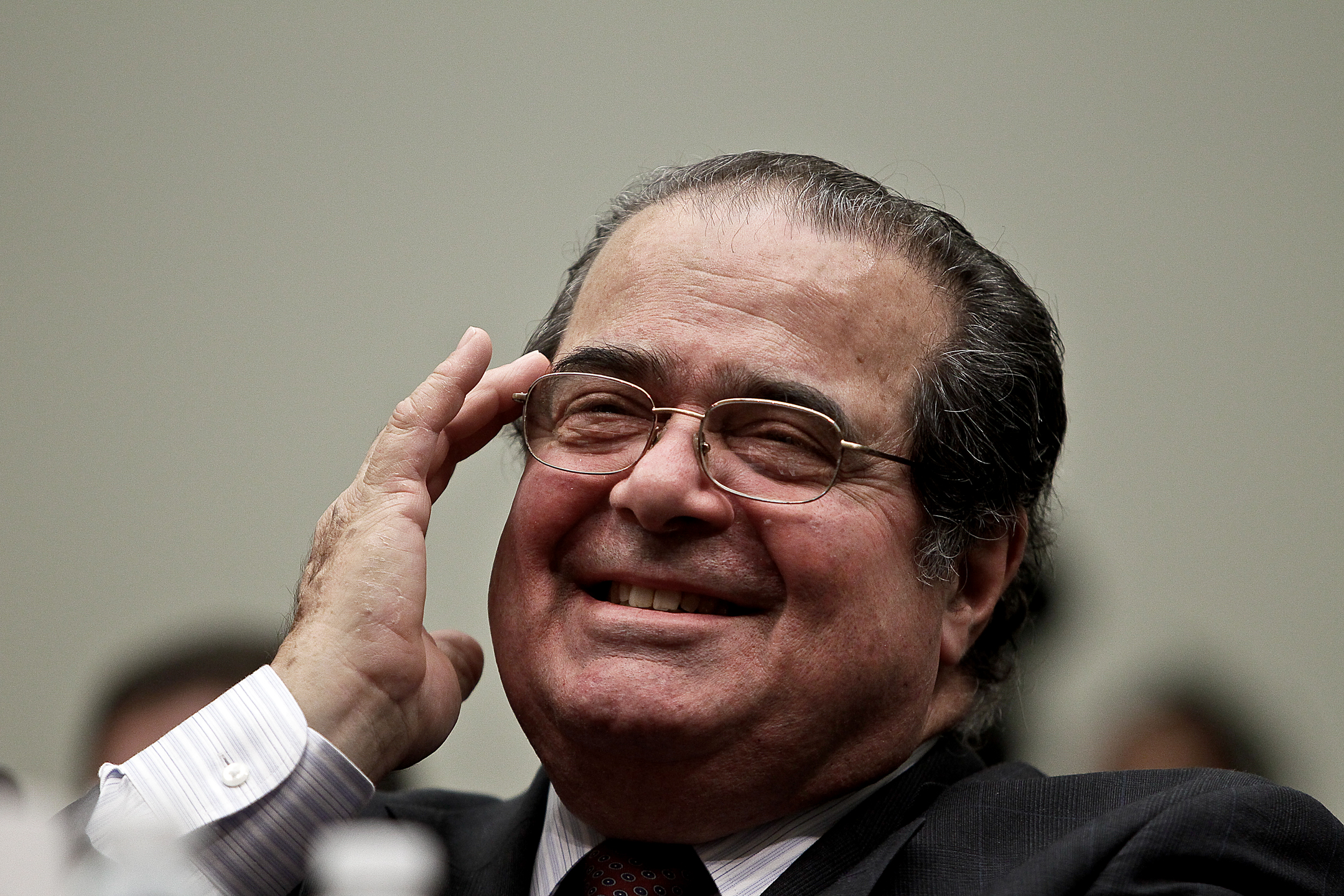
Former United Kingdom Prime Minister Sir John Major said young people are inheriting a more difficult and less favourable world [1].
This critique highlights a growing global debate over inter-generational equity and whether current political leadership is sacrificing long-term stability for short-term gains. By challenging the current state of governance, Major suggests a systemic failure in how nations manage the transition of power and resources between age groups.
Speaking on BBC Newsnight, Major said the concept of inter-generational responsibility [1]. He said that governments are failing to leave a better environment or society for those who will follow them. This perspective positions the struggle of the youth not as an inevitable cycle of history, but as a direct result of policy failures [1].
Major said that the primary duty of a government is to ensure the next generation is better off than the one before it. He said that this standard is not being met in the current political climate [1].
"The first role of any Government… is to leave something better for the next generation than your generation inherited – this is not done now," Major said [1].
His comments suggest that the current trajectory of governance is creating a deficit for young people. This deficit manifests in the lack of improved conditions, leaving the youth to navigate a world that is more challenging than the one their predecessors occupied [1, 2].
Major said he did not specify a single country or policy, but framed the issue as a general failure of governments to prioritize the future [1, 2]. His remarks underscore a belief that the social contract between generations is currently broken.
“"The first role of any Government… is to leave something better for the next generation than your generation inherited – this is not done now."”
Sir John Major's comments reflect a broader sociological concern regarding 'generational theft,' where current economic and environmental policies benefit the present population at the expense of future citizens. By framing this as a failure of the 'first role' of government, Major elevates the issue from a social grievance to a fundamental breach of political duty.