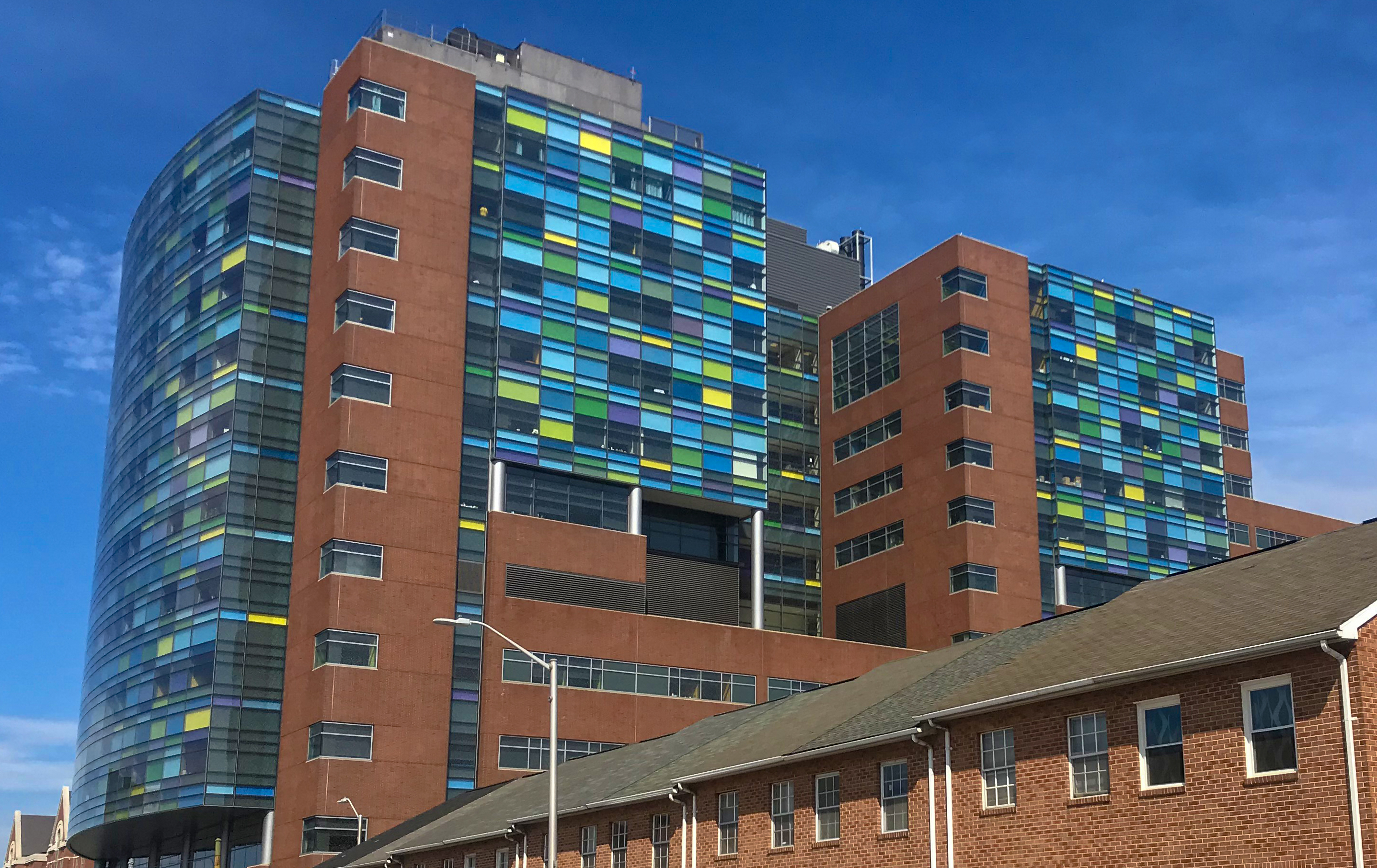
Music therapists at the Johns Hopkins Children’s Center are utilizing specialized musical interventions to support the well-being of pediatric patients [1].
These practices matter because they integrate artistic expression with clinical care to address the complex social and emotional needs of children in hospital settings. By targeting physiological health alongside mental wellness, the program aims to improve the overall recovery environment for both patients and their families [1, 2].
Dr. Kerry and Jamie, music therapists at the center in Baltimore, Maryland, lead these efforts [1]. Their work involves a variety of day-to-day interactions where music serves as a therapeutic tool to help children navigate the stresses of medical treatment [1, 2].
The program focuses on three primary areas of health: social, emotional, and physiological [1]. Through tailored sessions, the therapists work to stabilize a patient's mood and physical response to treatment, creating a bridge between clinical requirements and the child's need for normalcy [2].
This approach is part of a broader initiative at the Johns Hopkins Center for Music and Medicine [2]. The center views music not as a leisure activity, but as a targeted medical intervention designed to enhance the quality of life for those undergoing intensive pediatric care [1, 2].
By incorporating these sessions into the daily routine of the Children’s Center, the staff can monitor how music affects a patient's vital signs and emotional state in real time [1]. This integration allows the medical team to adapt care plans based on the patient's response to the therapeutic music [2].
“Music serves as a therapeutic tool to help children navigate the stresses of medical treatment.”
The use of music therapy at a major institution like Johns Hopkins underscores a shift toward integrative medicine in pediatrics. By treating the physiological and emotional needs of a child as interconnected, hospitals can potentially reduce the trauma associated with long-term hospitalization and improve patient compliance with medical protocols.
'%2F%3E%0A%20%20%20%20%3Crect%20width%3D'1600'%20height%3D'900'%20fill%3D'url(%23v)'%2F%3E%0A%20%20%20%20%3Cg%20opacity%3D'0.08'%20fill%3D'%23ffffff'%3E%0A%20%20%20%20%20%20%3Ccircle%20cx%3D'1420'%20cy%3D'180'%20r%3D'220'%2F%3E%0A%20%20%20%20%20%20%3Ccircle%20cx%3D'1500'%20cy%3D'760'%20r%3D'120'%2F%3E%0A%20%20%20%20%3C%2Fg%3E%0A%20%20%20%20%3Cline%20x1%3D'80'%20y1%3D'172'%20x2%3D'220'%20y2%3D'172'%20stroke%3D'%23ffffff'%20stroke-width%3D'3'%20stroke-opacity%3D'0.6'%2F%3E%0A%20%20%20%20%3Ctext%20x%3D'80'%20y%3D'140'%20font-family%3D'Inter%2C%20-apple-system%2C%20Helvetica%2C%20sans-serif'%20font-weight%3D'700'%20font-size%3D'28'%20fill%3D'%23ffffff'%20letter-spacing%3D'6'%3EHANNA%20%C2%B7%20NEWS%3C%2Ftext%3E%0A%20%20%20%20%3Ctext%20x%3D'80'%20y%3D'230'%20font-family%3D'Inter%2C%20-apple-system%2C%20Helvetica%2C%20sans-serif'%20font-weight%3D'600'%20font-size%3D'40'%20fill%3D'%23ffffffb3'%20letter-spacing%3D'4'%3ESCIENCE%3C%2Ftext%3E%0A%20%20%20%20%3Ctext%20x%3D'80'%20y%3D'622'%20font-family%3D'Playfair%20Display%2C%20Georgia%2C%20serif'%20font-weight%3D'800'%20font-size%3D'86'%20fill%3D'%23ffffff'%20letter-spacing%3D'-1'%3ECleveland%20Clinic%20Highlights%3C%2Ftext%3E%3Ctext%20x%3D'80'%20y%3D'721'%20font-family%3D'Playfair%20Display%2C%20Georgia%2C%20serif'%20font-weight%3D'800'%20font-size%3D'86'%20fill%3D'%23ffffff'%20letter-spacing%3D'-1'%3ELung%20Cancer%20Screening%3C%2Ftext%3E%3Ctext%20x%3D'80'%20y%3D'820'%20font-family%3D'Playfair%20Display%2C%20Georgia%2C%20serif'%20font-weight%3D'800'%20font-size%3D'86'%20fill%3D'%23ffffff'%20letter-spacing%3D'-1'%3EServices%3C%2Ftext%3E%0A%20%20%20%20%3Ctext%20x%3D'80'%20y%3D'870'%20font-family%3D'Inter%2C%20-apple-system%2C%20Helvetica%2C%20sans-serif'%20font-weight%3D'500'%20font-size%3D'22'%20fill%3D'%23ffffff66'%20letter-spacing%3D'2'%3Enews.hanna-ai.com%3C%2Ftext%3E%0A%20%20%3C%2Fsvg%3E)

