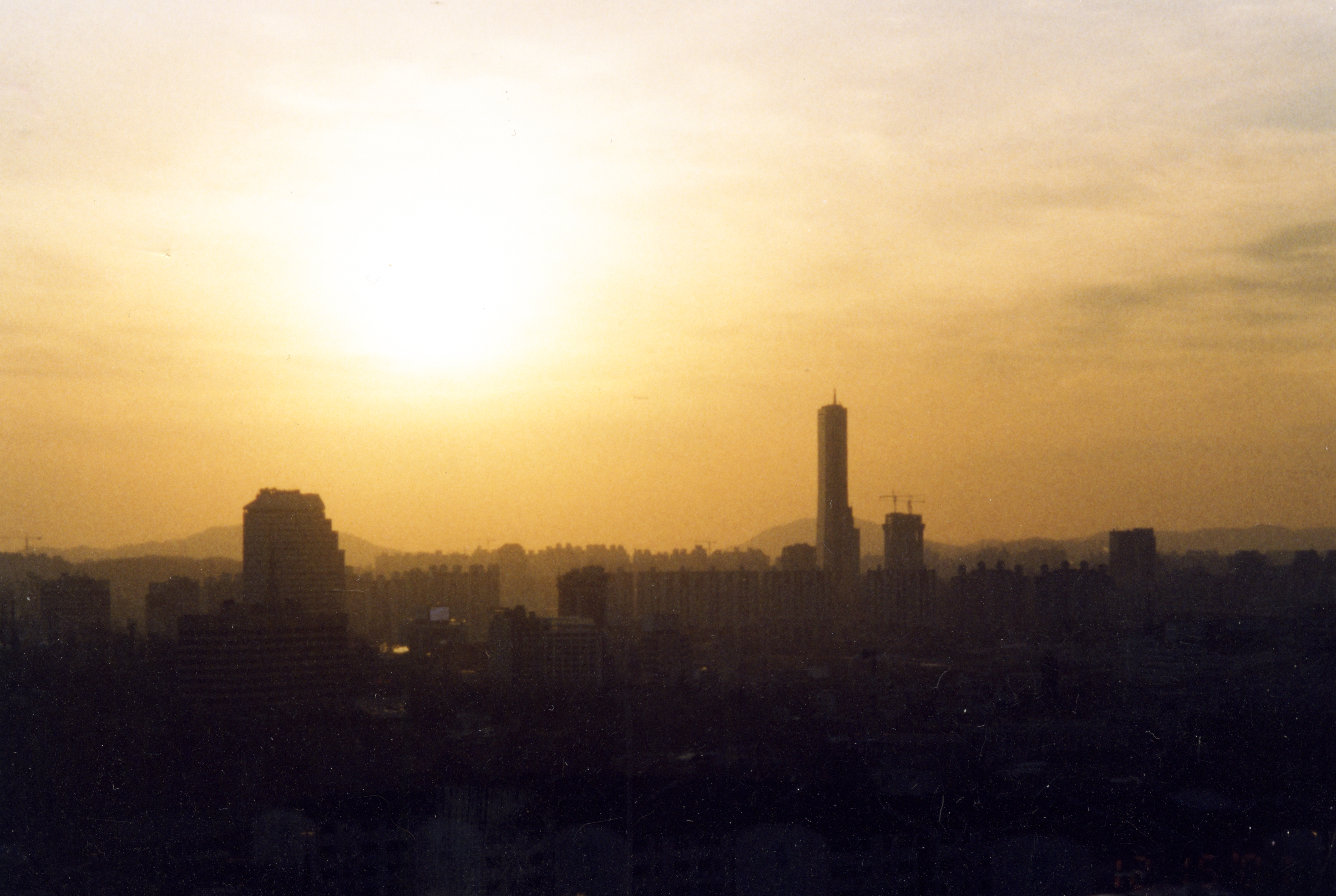
JP Morgan has projected that South Korea’s KOSPI index could rise to approximately 15,000 points [1].
This forecast arrives as the South Korean market experiences extreme instability. The contrast between optimistic institutional projections and actual market swings creates a high-risk environment for individual investors.
Kim Daeh-o, director of the Global Economic Research Institute, said the projection during a broadcast on YTN News. He said that JP Morgan is one of the largest financial institutions in the world, often described as the "emperor of Wall Street" [1].
Despite the high profile of the institution, Kim said that forecasts from any single organization are not guaranteed to be accurate. He said that the projections of such institutions are not always correct [1].
Market participants have described the current state of the KOSPI as a "roller-coaster" due to sharp and unpredictable price movements [1]. YTN anchor Jung Chae-woon said that the term "Roller-KOSPI" is not an awkward description for the current market conditions [1].
Analysts suggest that the volatility requires extreme caution. The gap between the 15,000-point target [1] and the current instability highlights the difficulty of predicting short-term movements in the region's primary stock index.
“JP Morgan forecast that South Korea’s KOSPI could rise to about 15,000 points.”
The tension between JP Morgan's bullish long-term target and the immediate 'roller-coaster' volatility suggests a decoupled market. While global institutional capital may see structural growth potential in South Korean equities, retail investors face significant risk from short-term swings, indicating that macroeconomic forecasts may not align with immediate trading realities.
'%2F%3E%0A%20%20%20%20%3Crect%20width%3D'1600'%20height%3D'900'%20fill%3D'url(%23v)'%2F%3E%0A%20%20%20%20%3Cg%20opacity%3D'0.08'%20fill%3D'%23ffffff'%3E%0A%20%20%20%20%20%20%3Ccircle%20cx%3D'1420'%20cy%3D'180'%20r%3D'220'%2F%3E%0A%20%20%20%20%20%20%3Ccircle%20cx%3D'1500'%20cy%3D'760'%20r%3D'120'%2F%3E%0A%20%20%20%20%3C%2Fg%3E%0A%20%20%20%20%3Cline%20x1%3D'80'%20y1%3D'172'%20x2%3D'220'%20y2%3D'172'%20stroke%3D'%23ffffff'%20stroke-width%3D'3'%20stroke-opacity%3D'0.6'%2F%3E%0A%20%20%20%20%3Ctext%20x%3D'80'%20y%3D'140'%20font-family%3D'Inter%2C%20-apple-system%2C%20Helvetica%2C%20sans-serif'%20font-weight%3D'700'%20font-size%3D'28'%20fill%3D'%23ffffff'%20letter-spacing%3D'6'%3EHANNA%20%C2%B7%20NEWS%3C%2Ftext%3E%0A%20%20%20%20%3Ctext%20x%3D'80'%20y%3D'230'%20font-family%3D'Inter%2C%20-apple-system%2C%20Helvetica%2C%20sans-serif'%20font-weight%3D'600'%20font-size%3D'40'%20fill%3D'%23ffffffb3'%20letter-spacing%3D'4'%3EWORLD%3C%2Ftext%3E%0A%20%20%20%20%3Ctext%20x%3D'80'%20y%3D'694'%20font-family%3D'Playfair%20Display%2C%20Georgia%2C%20serif'%20font-weight%3D'800'%20font-size%3D'110'%20fill%3D'%23ffffff'%20letter-spacing%3D'-1'%3EActors%20Discuss%20Character%3C%2Ftext%3E%3Ctext%20x%3D'80'%20y%3D'820'%20font-family%3D'Playfair%20Display%2C%20Georgia%2C%20serif'%20font-weight%3D'800'%20font-size%3D'110'%20fill%3D'%23ffffff'%20letter-spacing%3D'-1'%3ESurvival%20as%20War%20Approaches%3C%2Ftext%3E%0A%20%20%20%20%3Ctext%20x%3D'80'%20y%3D'870'%20font-family%3D'Inter%2C%20-apple-system%2C%20Helvetica%2C%20sans-serif'%20font-weight%3D'500'%20font-size%3D'22'%20fill%3D'%23ffffff66'%20letter-spacing%3D'2'%3Enews.hanna-ai.com%3C%2Ftext%3E%0A%20%20%3C%2Fsvg%3E)

