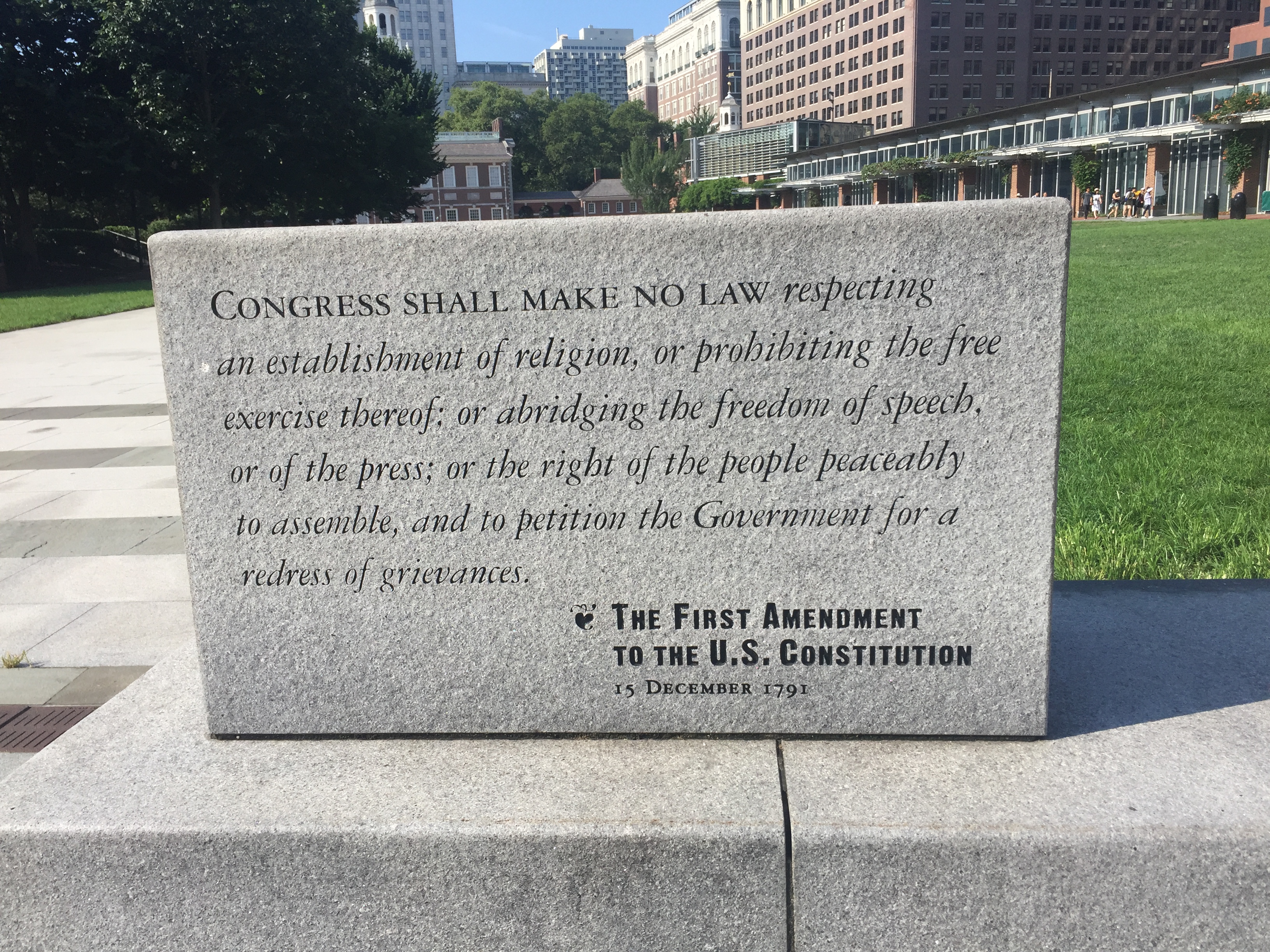
A federal judge issued a preliminary injunction preventing the U.S. government from pressuring online platforms to remove two ICE tracking projects [1].
The ruling addresses a critical tension between national security enforcement and the First Amendment. It suggests that government attempts to suppress public monitoring of federal agents may constitute unconstitutional censorship.
The lawsuit was filed by Kassandra Rosado and the Kreisau Group [1]. These plaintiffs created the "ICE Sightings - Chicagoland" Facebook group and the Eyes Up app [1]. Both tools were designed to track and report the movements of Immigration and Customs Enforcement agents.
The plaintiffs alleged that the Department of Homeland Security (DHS) and the Department of Justice (DOJ) violated their constitutional rights [1]. They said that these agencies coerced digital platforms into removing the tools from their services [1].
The case was heard in the United States District Court for the Northern District of Illinois [1]. The judge said that the plaintiffs are likely to succeed on their First Amendment claim [1]. This decision prevents the government from continuing its efforts to force the removal of the two projects while the legal process continues [1].
Government agencies often argue that such tracking tools interfere with law enforcement operations. However, the court's current stance prioritizes the protection of speech, and the right to organize online. The injunction ensures that the Eyes Up app and the Facebook group remain available to the public for the time being [1].
“A federal judge issued a preliminary injunction preventing the U.S. government from pressuring online platforms to remove two ICE tracking projects.”
This ruling establishes a legal barrier against 'jawboning,' where government agencies use informal pressure to compel private companies to censor content that is otherwise legal. By siding with the creators of the ICE trackers, the court reinforces the principle that monitoring government activity is a protected form of speech, limiting the ability of the DHS and DOJ to bypass formal legal processes to scrub the internet of dissident tools.


