
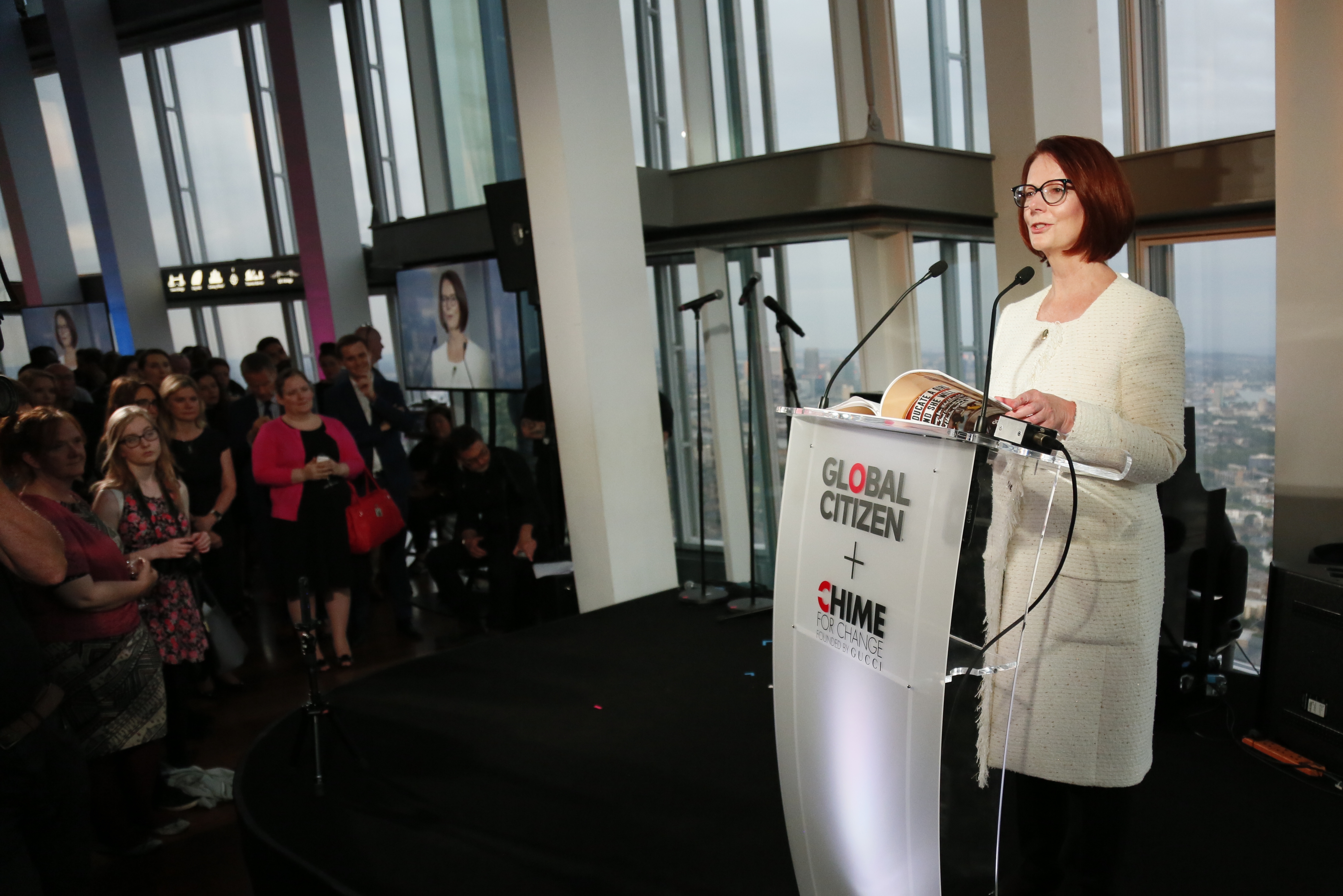
Audience members at a UK writers festival turned on former Australian Prime Minister Julia Gillard during a recent event in the United Kingdom [1, 2].
The confrontation highlights a growing international tension regarding the legal definitions of sex and gender, and how those definitions impact women's legal protections.
The backlash centered on a specific legislative change Gillard implemented during her time in office. In 2013 [1], Gillard amended the Sex Discrimination Act to remove references to male and female [1, 2]. This amendment shifted the legal language away from biological sex categories.
Danica De Giorgio of Sky News Australia reported on the incident, noting that the audience's reaction was a direct response to these policy changes [1]. De Giorgio said the former prime minister in 2013 amended the Sex Discrimination Act, where she took out male and female, so of course, gender, basic biology, sex, is deemed redundant in this country [1].
Critics of the amendment argue that removing these categories destroyed protections specifically designed for women [1, 2]. The event served as a flashpoint for these arguments, as attendees used the public forum to challenge the former prime minister's legacy on gender legislation.
De Giorgio said Julia Gillard was at a UK writers festival event today, and members of the audience turned on her [1]. The interaction underscores the persistent debate over whether gender-neutral language in law strengthens inclusivity or weakens the legal standing of biological women [1, 2].
“Members of the audience actually turned on her.”
This incident reflects the global polarization over 'sex-based rights' versus 'gender identity' in legislation. By targeting a specific 2013 amendment, critics are arguing that the removal of biological markers in law creates a legal vacuum that undermines protections for women, illustrating how domestic Australian policy continues to trigger international political conflict.


