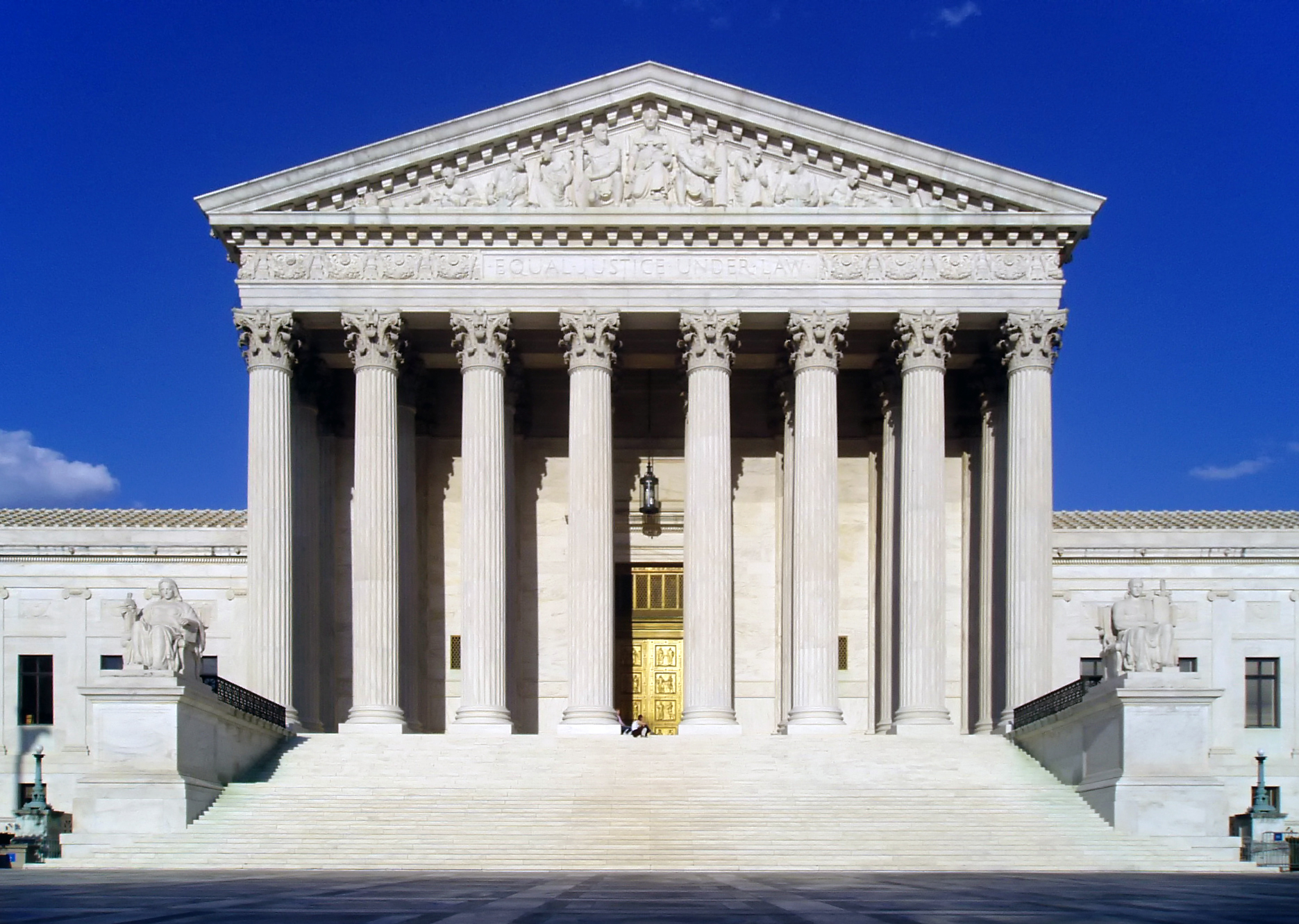
Justice Clarence Thomas filed a dissent arguing the Supreme Court's ruling upholding birthright citizenship will not endure over time [1].
The decision follows an effort by President Donald Trump to narrow the scope of birthright citizenship. The debate centers on the original intent of the 14th Amendment and whether it guarantees citizenship to all persons born on U.S. soil regardless of their parents' status.
In his dissent, Thomas said the 14th Amendment was a narrow correction for formerly enslaved Black Americans, not anyone born on U.S. soil [2]. He argued that the majority of the court misinterpreted the amendment's purpose. Thomas said the current ruling "won’t stand the test of time" [3].
Justice Ketanji Brown Jackson responded to the dissent with a 20-page concurring opinion [4]. In her writing, Jackson said Thomas's interpretation of the constitutional text and the historical context of the amendment was incorrect [4].
The case brings a sharp ideological divide to the forefront regarding who is entitled to American citizenship. While the court upheld the existing standard, the dissent from Thomas creates a legal roadmap for future challenges to the birthright citizenship doctrine.
“"The 14th Amendment was a narrow correction for formerly enslaved Black Americans, not anyone born on U.S. soil."”
This dissent signals a willingness by some members of the high court to revisit the fundamental interpretation of the 14th Amendment. By framing birthright citizenship as a limited historical correction rather than a universal right, Justice Thomas provides a theoretical basis for future litigants or administrations to attempt to dismantle the legal precedent that grants citizenship to children born in the U.S. to non-citizen parents.

