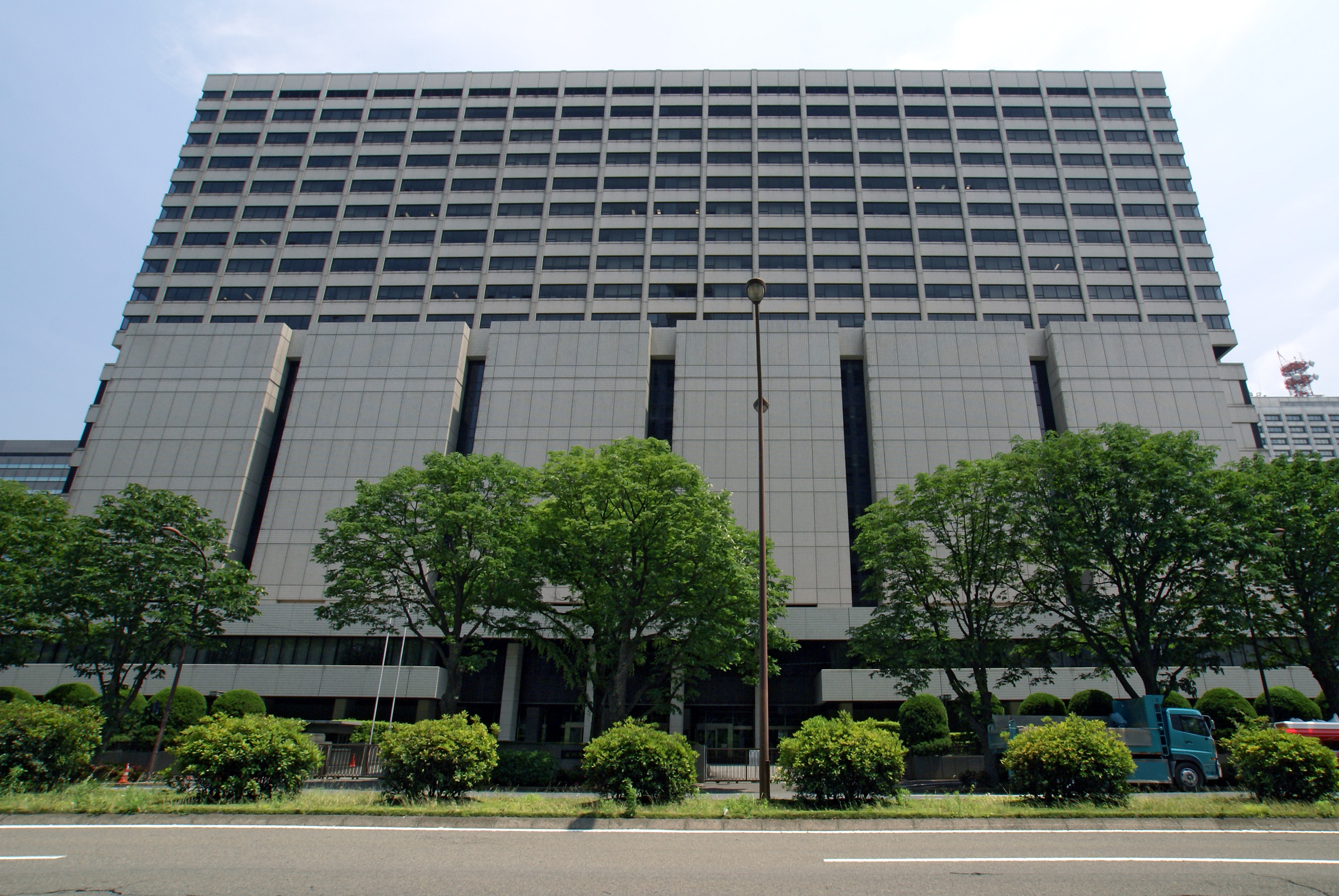
Toshiyuki Kiuchi, a mayoral candidate in Kamisu, filed a lawsuit with the Tokyo High Court on Thursday to overturn a decision invalidating his election victory [1].
The case centers on the interpretation of voter intent and the strictness of ballot validity. Because the margin of victory was razor-thin, the classification of just two votes determined whether Kiuchi remained in office or saw his win nullified [4].
Kiuchi seeks to reverse a ruling by the prefectural election administration commission that deemed two specific ballots invalid [1]. The disputed ballots were marked with the phrases "manjuyu-ya" and "dango-san" [2]. Kiuchi said these marks are valid expressions of support and that the commission's decision to discard them was unjust [1].
According to reports, the invalidation of these votes resulted in Kiuchi losing his victory by a margin of one vote [4]. The legal challenge now rests with the court to determine if the nicknames used on the ballots sufficiently identify the candidate to be counted as valid votes [1].
"I filed this lawsuit because I want the 'manjuyu-ya' vote to be understood somehow, and I believe this is only natural for me," Kiuchi said [3].
He said the two votes are valid [3]. Kiuchi confirmed that he has formally petitioned the Tokyo High Court to cancel the decision made by the prefectural election administration commission [1].
“"I believe this is only natural for me,"”
This lawsuit highlights the tension between strict electoral administrative rules and the principle of voter intent. In extremely close elections, the judicial interpretation of 'irregular' ballots can shift political power, potentially setting a precedent for how Japanese courts handle non-standard but identifiable voter marks in future local contests.