
Kareem Rahma, creator of the digital series “Subway Takes,” said he prefers YouTube over big-studio partnerships to maintain creative control.
This shift highlights a growing tension between traditional media infrastructure and independent creators who prioritize ownership over the prestige of legacy networks. As digital platforms evolve, the ability to reach audiences directly has become more valuable than the traditional studio backing.
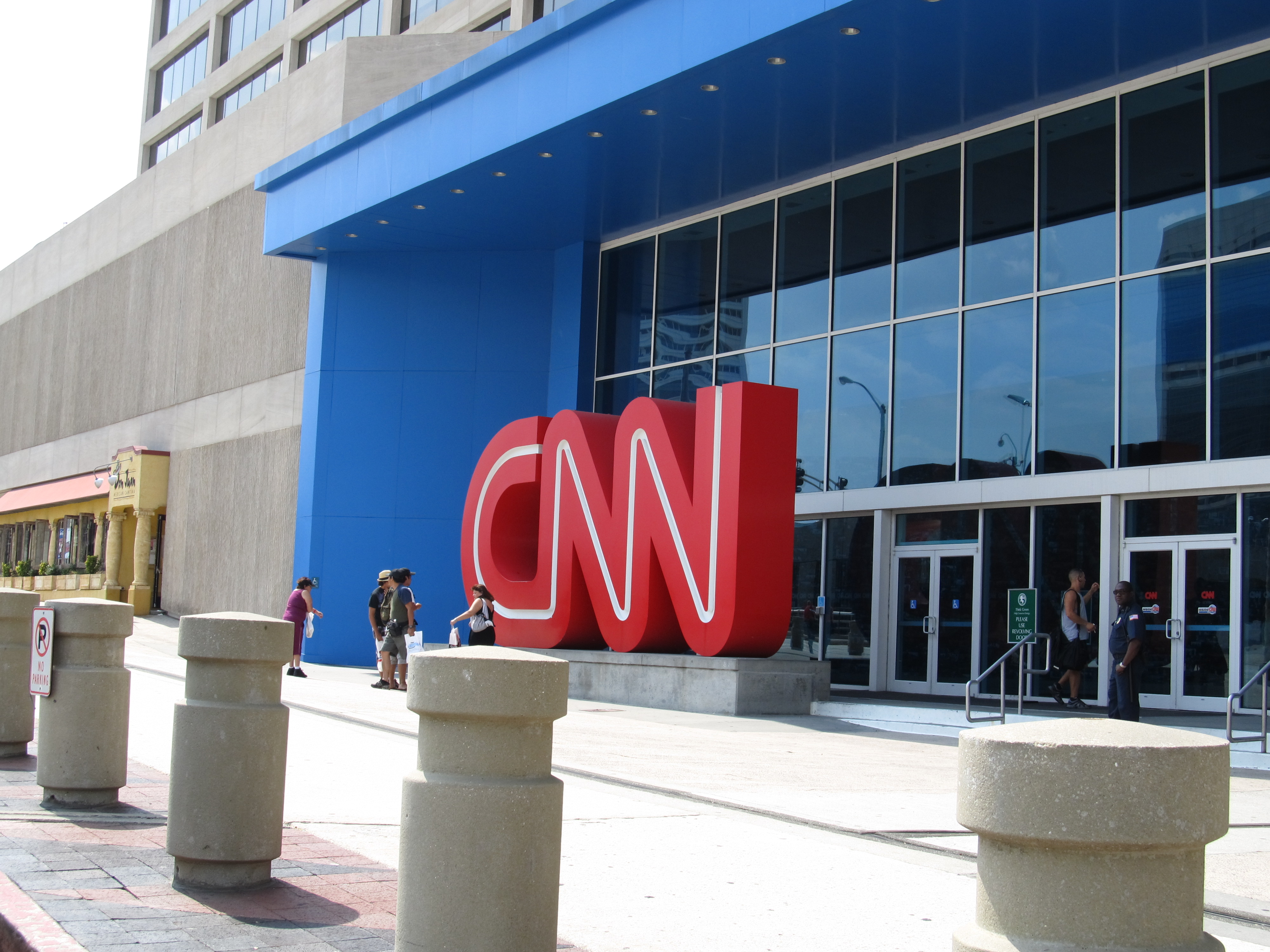
Speaking on NBC News’ “Here’s the Scoop” podcast and video series in May, Rahma discussed his decision to avoid traditional studio deals. He specifically addressed a potential partnership with CNN that did not materialize. “I walked away from the CNN deal because I didn’t want to compromise my creative vision,” Rahma said [3].
Rahma launched “Subway Takes” in 2023 [1]. The series has since become a vehicle for his specific style of entertainment, which he argues is better suited for the open nature of the internet. He believes that big studios often limit the creative process in ways that hinder the authenticity of the content.
“YouTube gives me the freedom to create on my own terms, something the big studios can’t match,” Rahma said [2]. By remaining independent, he is able to own his content and distribute it without the interference of network executives, a strategy that allows for more agility in storytelling.
Rahma also sought to distinguish his professional identity from the broader category of social media personalities. He noted that his goal is focused on the craft of production rather than the pursuit of social influence. “I’m not an influencer, I’m an entertainer,” Rahma said [4].
His preference for YouTube reflects a broader trend where creators leverage direct-to-consumer platforms to build brands that they fully control. For Rahma, the trade-off involves sacrificing the resources of a major network for the autonomy to execute his vision without compromise.
““I walked away from the CNN deal because I didn’t want to compromise my creative vision.””
Rahma's rejection of a CNN deal signals a shift in the power dynamic between legacy media and digital-native talent. As creators build massive, loyal audiences on platforms like YouTube, the traditional 'gatekeeper' role of studios is diminishing. This suggests that for high-level creators, the value of intellectual property ownership and creative autonomy now outweighs the perceived stability and reach of traditional broadcast networks.


