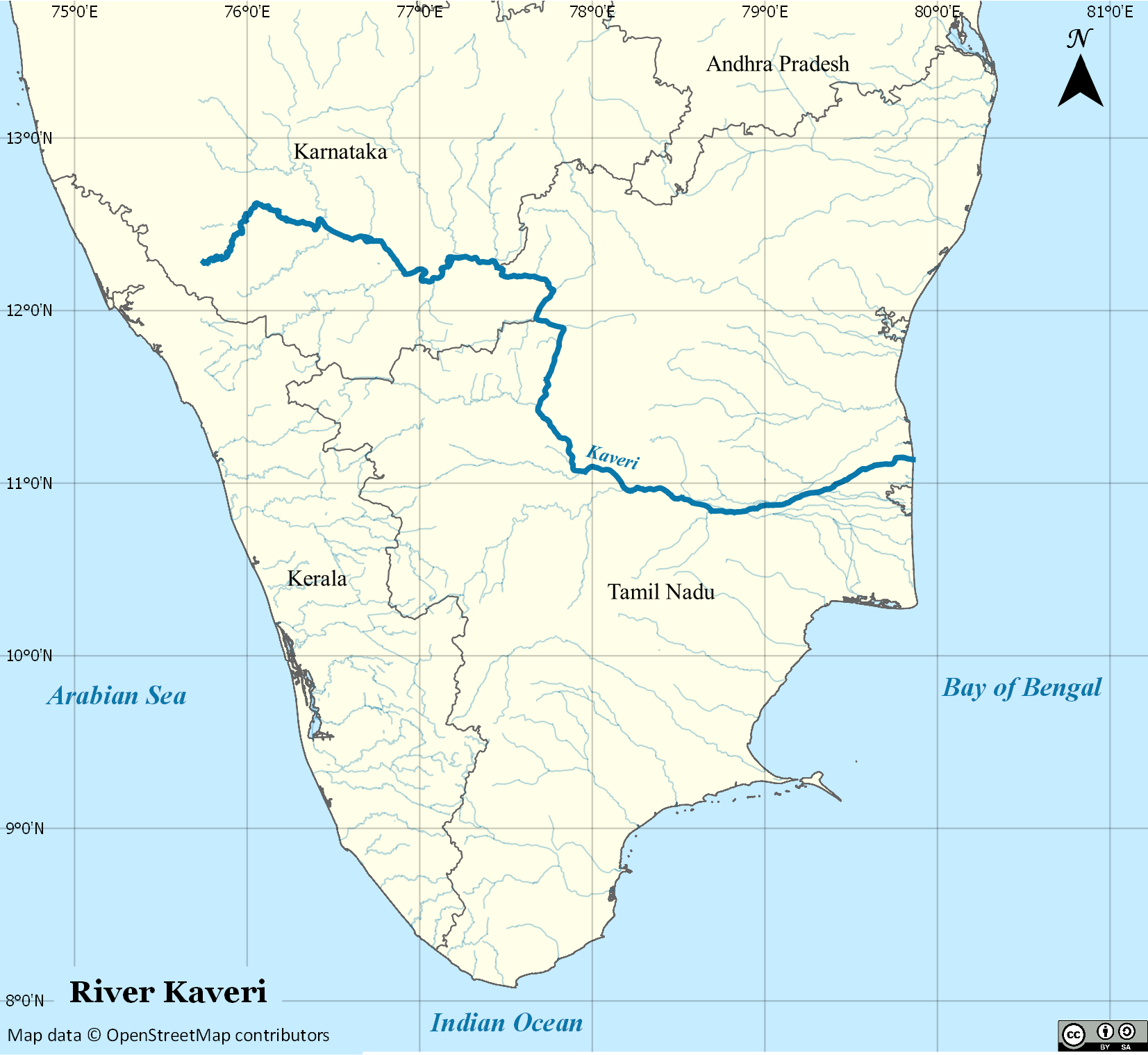
Karnataka Chief Minister D.K. Shivakumar convened an all-party meeting on Sunday to formulate a united response to the Cauvery water-sharing dispute [1].
The meeting aims to protect the state's drinking water supplies and agricultural interests against directions from the Cauvery Water Management Authority. Because water scarcity directly impacts food security and urban stability, the dispute remains a critical point of tension between regional political factions and neighboring states [1, 2].
During the discussions in Bengaluru, six former chief ministers backed the state's current water stand [2]. The leaders focused on identifying legal options to ensure that the state can maintain its necessary water levels without violating federal mandates. This collective approach is intended to signal a non-partisan commitment to the region's resource security [1, 2].
Shivakumar said the priority is to put "farmers' interests above politics" [1]. The administration is seeking a strategy that balances the legal requirements of water releases with the immediate needs of the agrarian community [1].
This effort follows previous attempts to manage water crises in the region. Earlier this year, an emergency Cabinet meeting was scheduled for July 19 to discuss drought measures [3]. That meeting highlighted the ongoing volatility of the region's water table and the necessity for rapid governmental intervention during dry spells [3].
The all-party coalition intends to present a unified front to the federal authorities. By aligning current and former leadership, the state seeks to increase its leverage in negotiations regarding the volume of water released from its reservoirs [1, 2].
“Farmers' interests above politics”
The mobilization of former chief ministers alongside the current administration suggests that the Cauvery water dispute has transcended party lines to become a matter of regional survival. By framing the issue as a necessity for drinking water and farming rather than a political skirmish, Karnataka is positioning itself to challenge the Cauvery Water Management Authority's directives through a lens of humanitarian and economic urgency.

'%2F%3E%0A%20%20%20%20%3Crect%20width%3D'1600'%20height%3D'900'%20fill%3D'url(%23v)'%2F%3E%0A%20%20%20%20%3Cg%20opacity%3D'0.08'%20fill%3D'%23ffffff'%3E%0A%20%20%20%20%20%20%3Ccircle%20cx%3D'1420'%20cy%3D'180'%20r%3D'220'%2F%3E%0A%20%20%20%20%20%20%3Ccircle%20cx%3D'1500'%20cy%3D'760'%20r%3D'120'%2F%3E%0A%20%20%20%20%3C%2Fg%3E%0A%20%20%20%20%3Cline%20x1%3D'80'%20y1%3D'172'%20x2%3D'220'%20y2%3D'172'%20stroke%3D'%23ffffff'%20stroke-width%3D'3'%20stroke-opacity%3D'0.6'%2F%3E%0A%20%20%20%20%3Ctext%20x%3D'80'%20y%3D'140'%20font-family%3D'Inter%2C%20-apple-system%2C%20Helvetica%2C%20sans-serif'%20font-weight%3D'700'%20font-size%3D'28'%20fill%3D'%23ffffff'%20letter-spacing%3D'6'%3EHANNA%20%C2%B7%20NEWS%3C%2Ftext%3E%0A%20%20%20%20%3Ctext%20x%3D'80'%20y%3D'230'%20font-family%3D'Inter%2C%20-apple-system%2C%20Helvetica%2C%20sans-serif'%20font-weight%3D'600'%20font-size%3D'40'%20fill%3D'%23ffffffb3'%20letter-spacing%3D'4'%3EBUSINESS%3C%2Ftext%3E%0A%20%20%20%20%3Ctext%20x%3D'80'%20y%3D'622'%20font-family%3D'Playfair%20Display%2C%20Georgia%2C%20serif'%20font-weight%3D'800'%20font-size%3D'86'%20fill%3D'%23ffffff'%20letter-spacing%3D'-1'%3EMohawk%20Industries%20Faces%3C%2Ftext%3E%3Ctext%20x%3D'80'%20y%3D'721'%20font-family%3D'Playfair%20Display%2C%20Georgia%2C%20serif'%20font-weight%3D'800'%20font-size%3D'86'%20fill%3D'%23ffffff'%20letter-spacing%3D'-1'%3ECyclical%20Pressure%20Despite%3C%2Ftext%3E%3Ctext%20x%3D'80'%20y%3D'820'%20font-family%3D'Playfair%20Display%2C%20Georgia%2C%20serif'%20font-weight%3D'800'%20font-size%3D'86'%20fill%3D'%23ffffff'%20letter-spacing%3D'-1'%3EStrong%20Cash%20Flow%3C%2Ftext%3E%0A%20%20%20%20%3Ctext%20x%3D'80'%20y%3D'870'%20font-family%3D'Inter%2C%20-apple-system%2C%20Helvetica%2C%20sans-serif'%20font-weight%3D'500'%20font-size%3D'22'%20fill%3D'%23ffffff66'%20letter-spacing%3D'2'%3Enews.hanna-ai.com%3C%2Ftext%3E%0A%20%20%3C%2Fsvg%3E)
