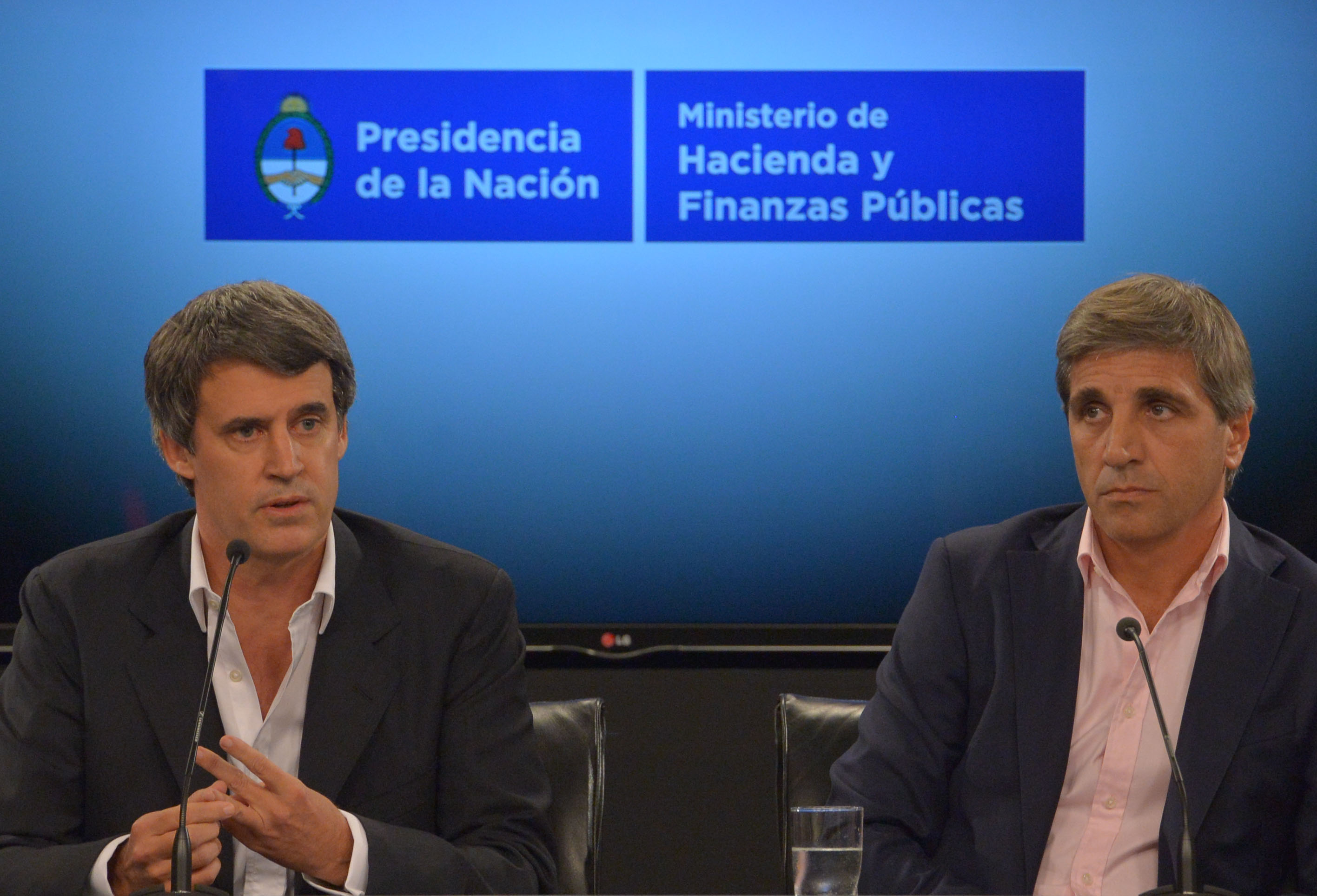
Karnataka Chief Minister Siddaramaiah received the state's Social and Educational Survey Report on Wednesday at his office in Vidhana Soudha [1].
The report, commonly referred to as the caste census, is considered pivotal for determining Other Backward Classes (OBC) representation in the state [1, 3]. Because the data informs reservation policies and social welfare distribution, its release is a significant administrative and political milestone for the regional government [1, 3].
The document was prepared by the Karnataka State Backward Classes Commission [1, 2]. Its delivery comes at a time of heightened internal party dynamics, with reports of speculation regarding the political future of Siddaramaiah and potential leadership changes within the party [2, 3].
While the focus remains on the administrative handover of the survey, the Chief Minister has also addressed electoral expectations. Siddaramaiah said Congress will win around 20 seats [4] in Karnataka during the Lok Sabha polls.
The survey aims to provide a comprehensive data set on the social and educational status of various communities. By quantifying the population of different castes, the government intends to align its policy frameworks with the actual demographic distribution of the state [1, 3].
This administrative step follows years of preparation by the commission to ensure the data accurately reflects the current socioeconomic landscape of Karnataka. The receipt of the report marks the transition from data collection to the potential implementation of new policy measures based on the findings [1, 2].
“The report is seen as pivotal for OBC representation.”
The handover of the caste census report provides the Karnataka government with the empirical data necessary to adjust reservation quotas. However, the timing of the report's arrival—coinciding with speculation about leadership changes—suggests that the data may become a central point of contention or a strategic tool in upcoming internal party negotiations and general election campaigning.

'%2F%3E%0A%20%20%20%20%3Crect%20width%3D'1600'%20height%3D'900'%20fill%3D'url(%23v)'%2F%3E%0A%20%20%20%20%3Cg%20opacity%3D'0.08'%20fill%3D'%23ffffff'%3E%0A%20%20%20%20%20%20%3Ccircle%20cx%3D'1420'%20cy%3D'180'%20r%3D'220'%2F%3E%0A%20%20%20%20%20%20%3Ccircle%20cx%3D'1500'%20cy%3D'760'%20r%3D'120'%2F%3E%0A%20%20%20%20%3C%2Fg%3E%0A%20%20%20%20%3Cline%20x1%3D'80'%20y1%3D'172'%20x2%3D'220'%20y2%3D'172'%20stroke%3D'%23ffffff'%20stroke-width%3D'3'%20stroke-opacity%3D'0.6'%2F%3E%0A%20%20%20%20%3Ctext%20x%3D'80'%20y%3D'140'%20font-family%3D'Inter%2C%20-apple-system%2C%20Helvetica%2C%20sans-serif'%20font-weight%3D'700'%20font-size%3D'28'%20fill%3D'%23ffffff'%20letter-spacing%3D'6'%3EHANNA%20%C2%B7%20NEWS%3C%2Ftext%3E%0A%20%20%20%20%3Ctext%20x%3D'80'%20y%3D'230'%20font-family%3D'Inter%2C%20-apple-system%2C%20Helvetica%2C%20sans-serif'%20font-weight%3D'600'%20font-size%3D'40'%20fill%3D'%23ffffffb3'%20letter-spacing%3D'4'%3EWORLD%3C%2Ftext%3E%0A%20%20%20%20%3Ctext%20x%3D'80'%20y%3D'622'%20font-family%3D'Playfair%20Display%2C%20Georgia%2C%20serif'%20font-weight%3D'800'%20font-size%3D'86'%20fill%3D'%23ffffff'%20letter-spacing%3D'-1'%3EGlobal%20Medical%20Consensus%3C%2Ftext%3E%3Ctext%20x%3D'80'%20y%3D'721'%20font-family%3D'Playfair%20Display%2C%20Georgia%2C%20serif'%20font-weight%3D'800'%20font-size%3D'86'%20fill%3D'%23ffffff'%20letter-spacing%3D'-1'%3ERenames%20Polycystic%20Ovary%3C%2Ftext%3E%3Ctext%20x%3D'80'%20y%3D'820'%20font-family%3D'Playfair%20Display%2C%20Georgia%2C%20serif'%20font-weight%3D'800'%20font-size%3D'86'%20fill%3D'%23ffffff'%20letter-spacing%3D'-1'%3ESyndrome%3C%2Ftext%3E%0A%20%20%20%20%3Ctext%20x%3D'80'%20y%3D'870'%20font-family%3D'Inter%2C%20-apple-system%2C%20Helvetica%2C%20sans-serif'%20font-weight%3D'500'%20font-size%3D'22'%20fill%3D'%23ffffff66'%20letter-spacing%3D'2'%3Enews.hanna-ai.com%3C%2Ftext%3E%0A%20%20%3C%2Fsvg%3E)