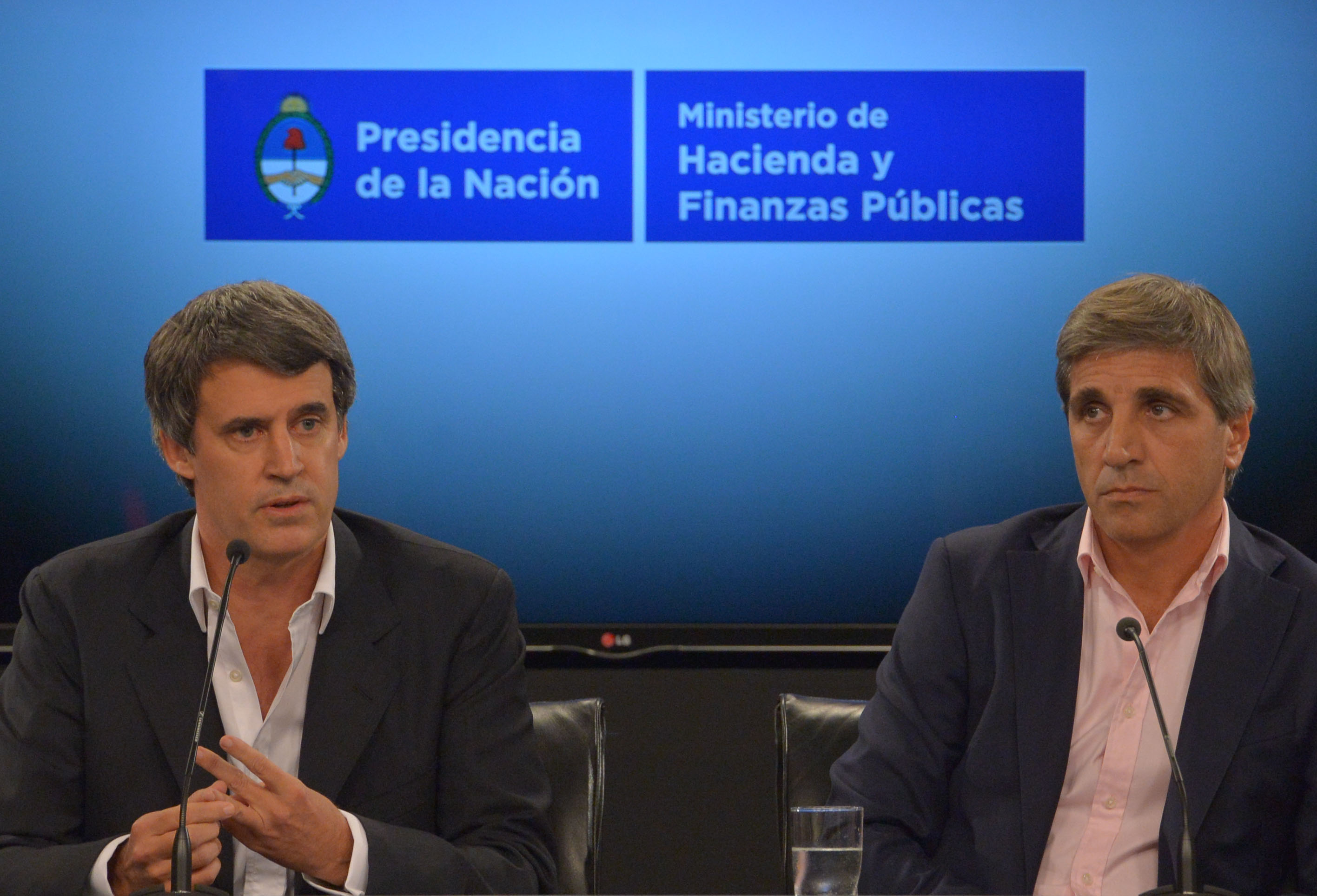
Siddaramaiah, the Chief Minister of Karnataka, has submitted his resignation to the Governor’s secretary at Lok Bhavan in Bengaluru [1].
This leadership change marks the resolution of a prolonged internal power struggle within the Indian National Congress. The move allows DK Shivakumar to assume the role of Chief Minister, shifting the state's executive leadership for the first time since the previous election cycle.
Siddaramaiah, 77 [2], is a senior leader of the Indian National Congress. His departure follows years of tension within the party's state ranks. These frictions emerged following the party’s victory in the 2023 Assembly election [1].
Reports indicate that the transition was preceded by strategic maneuvering and a breakfast meeting between Siddaramaiah and Shivakumar [3]. The resignation was handed over to the Governor's secretary to formalize the transition of power [1].
Internal party dynamics have long been characterized by a divide between the supporters of the two leaders. The appointment of a successor is expected to stabilize the party's administration in the state, a necessary step for the Congress to maintain its governing coalition in Karnataka.
While the resignation was processed today, the underlying causes stem from the political agreements made during the 2023 campaign [1]. The transition now moves from the administrative phase of resignation to the official appointment of DK Shivakumar by the Governor.
“Siddaramaiah submitted his resignation to the Governor’s secretary at Lok Bhavan in Bengaluru.”
The resignation of Siddaramaiah represents a pivotal shift in Karnataka's political landscape, signaling the end of a fragile power-sharing arrangement within the state's Congress wing. By installing DK Shivakumar, the party is attempting to resolve internal friction that has persisted since 2023, potentially consolidating leadership to better challenge opposition forces in the region.