
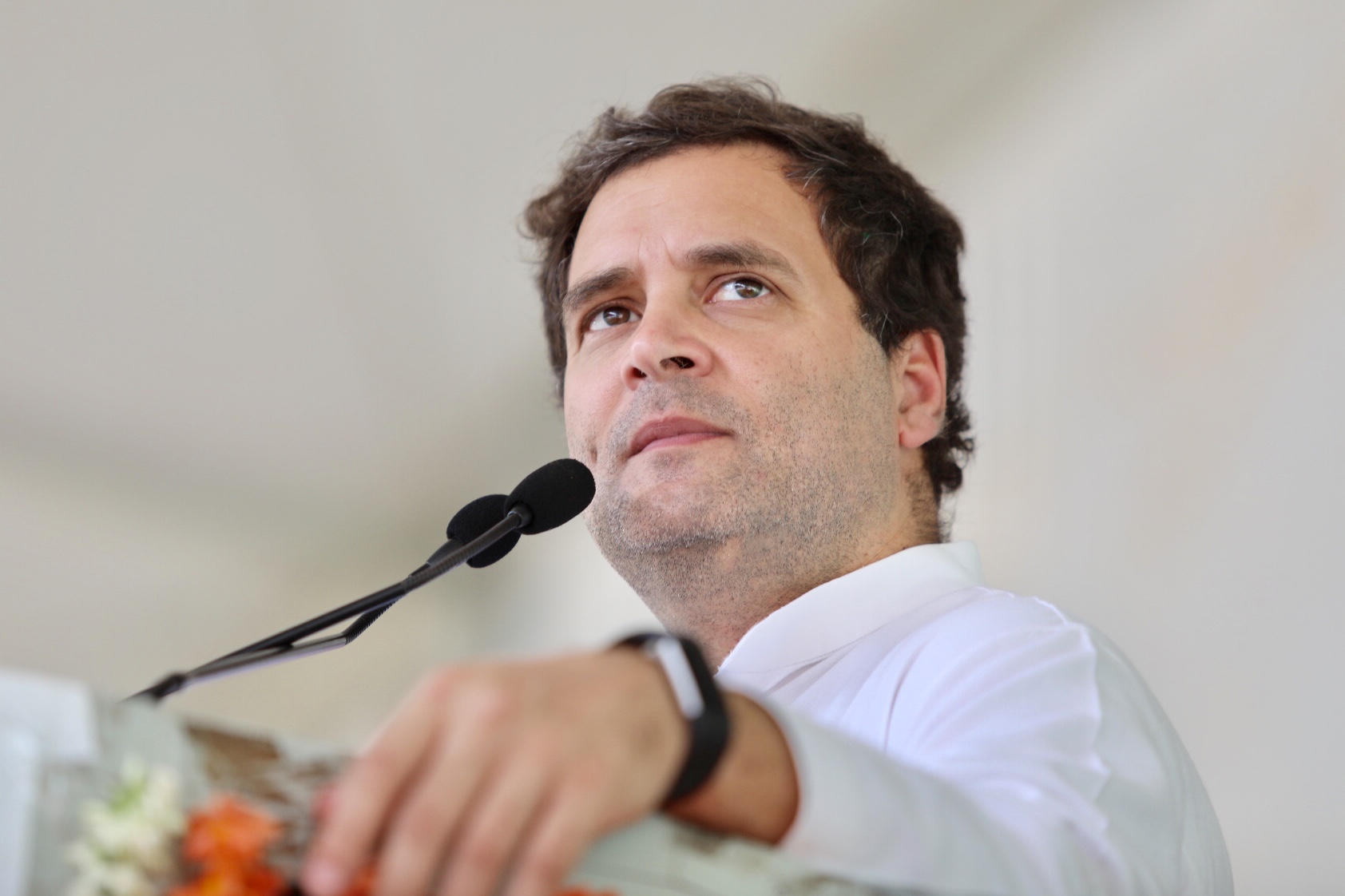
Congress leader Rahul Gandhi is implementing a rotational leadership formula in Karnataka that may see DK Shivakumar replace Siddaramaiah as chief minister.
The move represents a high-stakes attempt to balance internal party dynamics. By rotating leadership, the party seeks to manage competing interests between seniority, regional representation, and caste equations to maintain unity.
The strategy centers on a specific timeframe for leadership tenure. The plan envisions a 2.5-year [1] rotational period for the first phase of the Karnataka government [1]. This formula is designed to ensure that multiple leaders have an opportunity to lead the state without creating permanent fractures within the party ranks.
Speculation has intensified that incumbent leader Siddaramaiah will step down to make way for Shivakumar. This transition would signal a shift toward a younger and more dynamic cabinet, which the party believes is necessary for future growth [2].
The leadership transition is not merely about personnel changes but about the broader strategic direction of the party in the region. Congress leaders are attempting to modernize the administration while ensuring that no single faction feels marginalized, a delicate balance in the complex political landscape of Karnataka.
Party officials said the goal is to maintain stability while refreshing the executive leadership. The success of this 2.5-year [1] arrangement will serve as a test for Gandhi's ability to mediate disputes and enforce party discipline among senior leaders [2].
“The plan envisions a 2.5-year tenure for the first phase of the Karnataka government.”
This rotational formula is an experimental approach to party governance. By institutionalizing a time-bound limit on the chief minister's tenure, the Congress party is attempting to preempt the internal power struggles that often plague coalition or faction-heavy governments. If successful, this model could be used as a blueprint for managing leadership transitions in other Indian states where regional and caste identities create competing claims to power.

