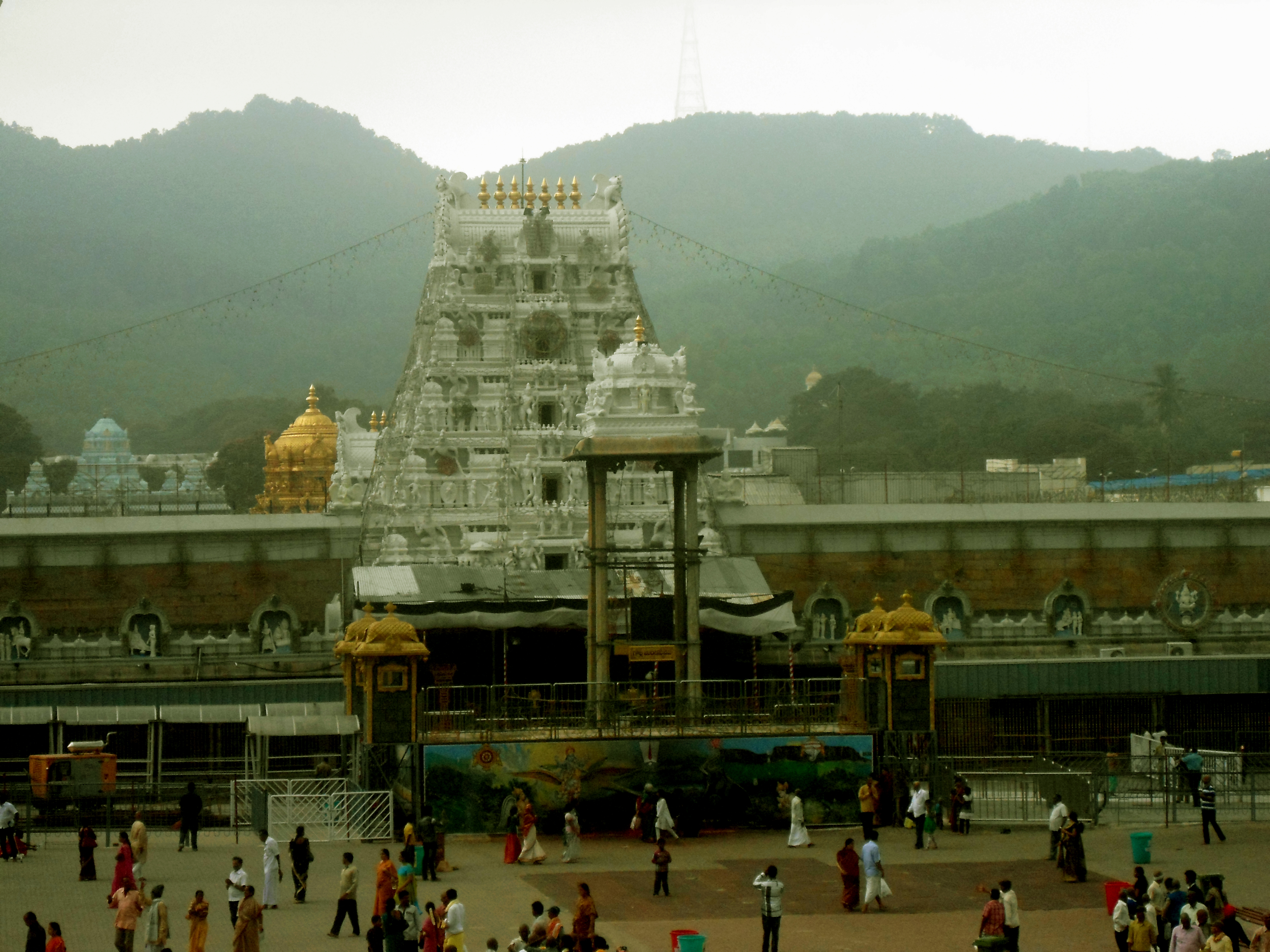
The Karnataka chief minister has requested that Kerala donate a female captive elephant for use in rituals at the Mookambika Temple [1].
The request highlights the intersection of religious tradition and interstate diplomacy. By seeking a donation from a willing temple in Kerala, Karnataka aims to enhance cultural ties between the two neighbors while fulfilling specific ritual requirements at one of its prominent shrines [1].
The proposal specifically asks for a female elephant from any willing temple located within Kerala [1]. This arrangement would provide the Mookambika Temple with a dedicated animal for its ceremonial needs, a practice deeply rooted in the regional heritage of southern India.
According to reports, the move is intended to foster a spirit of cooperation and shared heritage [1]. The Hindu said that Karnataka seeks Kerala’s help to donate the animal to enhance interstate cultural ties [1].
While the request focuses on the religious utility of the animal, it also serves as a diplomatic gesture between the state governments. The Mookambika Temple remains a significant site for pilgrims from across the region, and the addition of a captive elephant is seen as a way to maintain the temple's traditional atmosphere [1].
“Karnataka seeks Kerala’s help to donate a female elephant for rituals at Mookambika Temple.”
This request reflects the continuing role of traditional religious practices in shaping official government relations in India. By framing the acquisition of a captive elephant as a means of strengthening cultural bonds, the Karnataka government is utilizing shared spiritual heritage to facilitate diplomatic cooperation with Kerala.