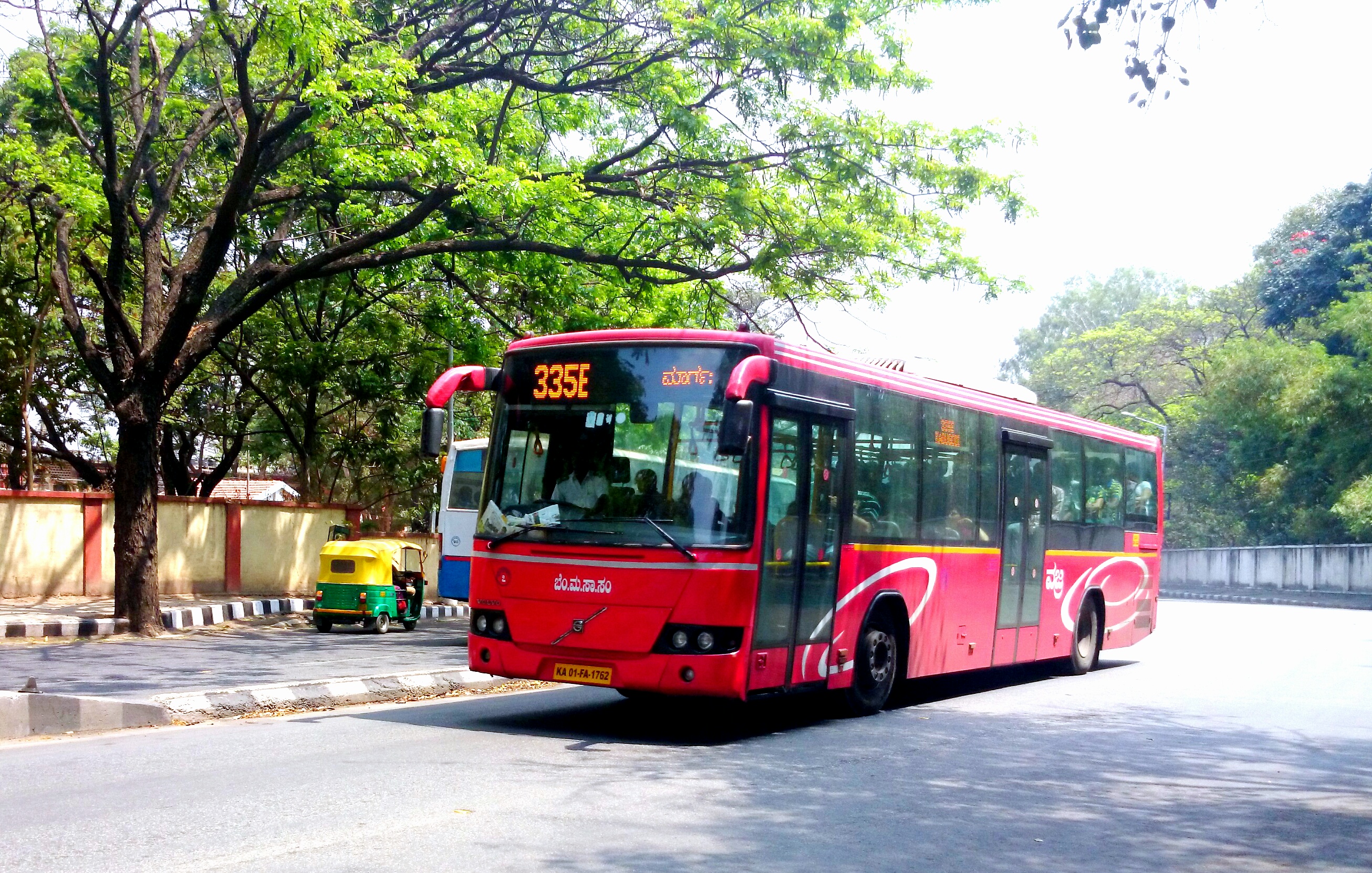
Karnataka Transport Minister Byrathi Suresh conducted surprise undercover inspections of Bengaluru bus services on Saturday night, July 11, 2026 [1].
The operation aimed to expose operational failures within the Bengaluru Metropolitan Transport Corporation (BMTC) by experiencing the network from a commuter's perspective.
Suresh traveled incognito across more than 10 different bus routes [2]. During these journeys, the minister encountered several service lapses that highlighted the difficulties faced by ordinary passengers. In one instance, Suresh was asked to get off a bus because he did not have exact change for his fare [2].
The minister had offered a Rs 100 note for the fare [2]. The conductor's refusal to accept the note and the subsequent demand for the minister to disembark served as a primary example of the rigid or inefficient payment handling currently affecting passengers.
By traveling without an official escort or announcement, Suresh sought to observe the actual behavior of staff and the quality of the fleet. The surprise checks revealed a gap between official service standards and the reality of the commuter experience, a discrepancy that the transport department now intends to address.
This initiative follows growing concerns regarding the reliability and accessibility of the BMTC network in the city. The minister's decision to use a disguise allowed him to witness firsthand how conductors interact with the public and how fare disputes are managed on the road.
“Suresh traveled incognito across more than 10 different bus routes.”
This undercover operation suggests a shift toward 'mystery shopping' as a governance tool in Karnataka's transport sector. By simulating a common commuter's struggle with basic transactions, such as the acceptance of a Rs 100 note, the ministry is gathering qualitative data on staff conduct that traditional audits often miss. The results may lead to new directives on payment flexibility and staff training to reduce passenger friction.


'%2F%3E%0A%20%20%20%20%3Crect%20width%3D'1600'%20height%3D'900'%20fill%3D'url(%23v)'%2F%3E%0A%20%20%20%20%3Cg%20opacity%3D'0.08'%20fill%3D'%23ffffff'%3E%0A%20%20%20%20%20%20%3Ccircle%20cx%3D'1420'%20cy%3D'180'%20r%3D'220'%2F%3E%0A%20%20%20%20%20%20%3Ccircle%20cx%3D'1500'%20cy%3D'760'%20r%3D'120'%2F%3E%0A%20%20%20%20%3C%2Fg%3E%0A%20%20%20%20%3Cline%20x1%3D'80'%20y1%3D'172'%20x2%3D'220'%20y2%3D'172'%20stroke%3D'%23ffffff'%20stroke-width%3D'3'%20stroke-opacity%3D'0.6'%2F%3E%0A%20%20%20%20%3Ctext%20x%3D'80'%20y%3D'140'%20font-family%3D'Inter%2C%20-apple-system%2C%20Helvetica%2C%20sans-serif'%20font-weight%3D'700'%20font-size%3D'28'%20fill%3D'%23ffffff'%20letter-spacing%3D'6'%3EHANNA%20%C2%B7%20NEWS%3C%2Ftext%3E%0A%20%20%20%20%3Ctext%20x%3D'80'%20y%3D'230'%20font-family%3D'Inter%2C%20-apple-system%2C%20Helvetica%2C%20sans-serif'%20font-weight%3D'600'%20font-size%3D'40'%20fill%3D'%23ffffffb3'%20letter-spacing%3D'4'%3EWORLD%3C%2Ftext%3E%0A%20%20%20%20%3Ctext%20x%3D'80'%20y%3D'694'%20font-family%3D'Playfair%20Display%2C%20Georgia%2C%20serif'%20font-weight%3D'800'%20font-size%3D'110'%20fill%3D'%23ffffff'%20letter-spacing%3D'-1'%3EKarnataka%20Issues%20Drought%3C%2Ftext%3E%3Ctext%20x%3D'80'%20y%3D'820'%20font-family%3D'Playfair%20Display%2C%20Georgia%2C%20serif'%20font-weight%3D'800'%20font-size%3D'110'%20fill%3D'%23ffffff'%20letter-spacing%3D'-1'%3EAlert%20as%20Rainfall%20Declines%3C%2Ftext%3E%0A%20%20%20%20%3Ctext%20x%3D'80'%20y%3D'870'%20font-family%3D'Inter%2C%20-apple-system%2C%20Helvetica%2C%20sans-serif'%20font-weight%3D'500'%20font-size%3D'22'%20fill%3D'%23ffffff66'%20letter-spacing%3D'2'%3Enews.hanna-ai.com%3C%2Ftext%3E%0A%20%20%3C%2Fsvg%3E)