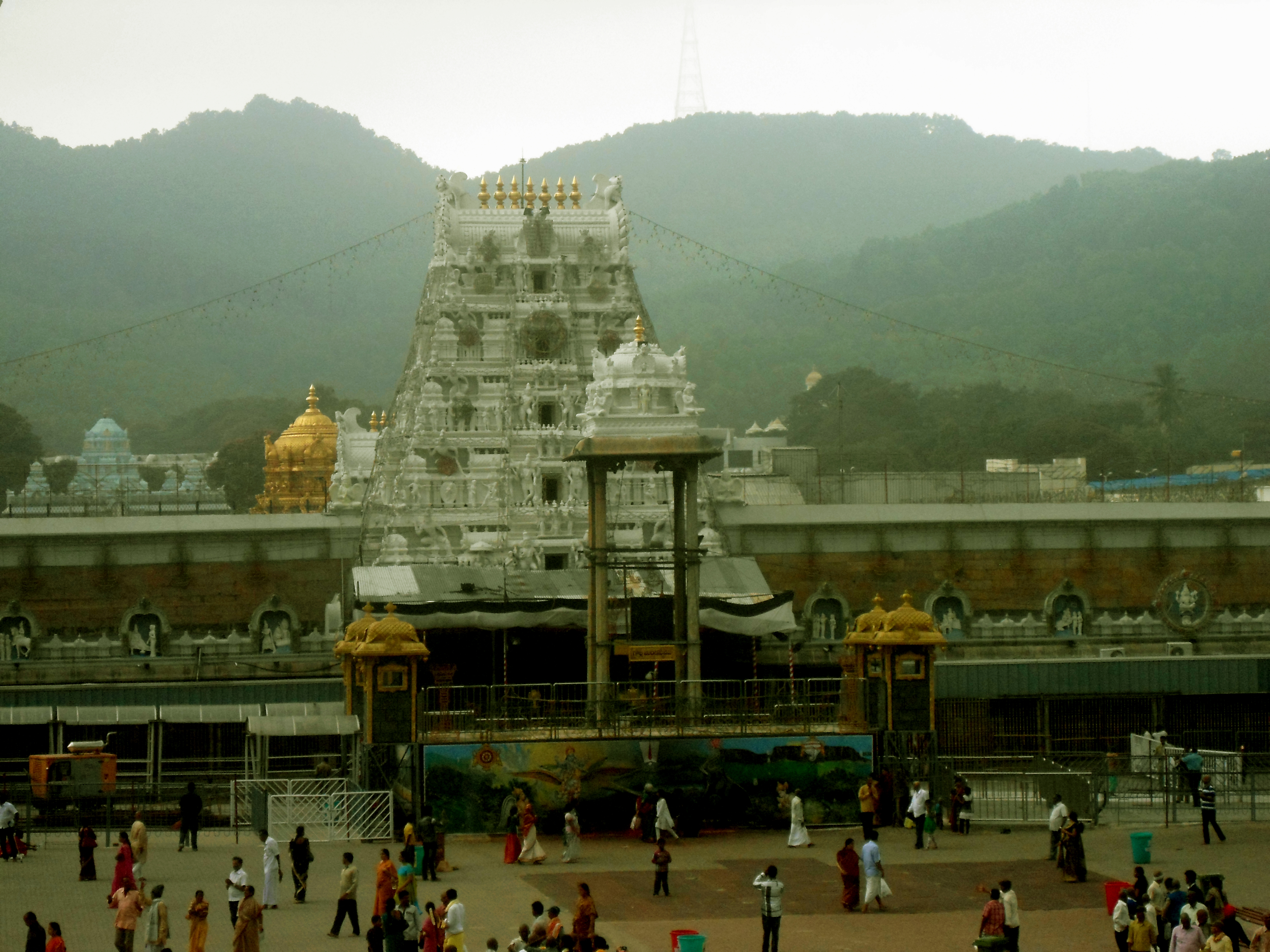
Karnataka Deputy Chief Minister D.K. Shivakumar proposed extending access to the first aarti at Tirumala Temple to state government dignitaries [1].
The proposal seeks to include Karnataka ministers, MLAs, MLCs, and other officials in the Suprabhata Seva protocol. This move has triggered a political debate regarding the ethics of VIP privileges at one of India's most visited religious sites, as critics argue such arrangements create unequal access for ordinary devotees [1, 2].
Shivakumar said the announcement on June 19, 2024 [1]. The timing followed the Karnataka Legislative Council election results, where five Congress candidates won out of seven contested seats [1].
The Tirumala Temple, located in Tirupati, Andhra Pradesh, maintains strict protocols for its rituals. Shivakumar said the move was an effort to expand an existing protocol for Karnataka representatives [1, 2]. However, the push for specialized access for political figures has met with opposition from those who believe religious services should be accessible to all citizens regardless of their political rank [2].
The controversy centers on whether government positions justify priority access to spiritual rituals. While the proposal is framed as a matter of state protocol, the backlash highlights a growing tension between traditional political privileges and the demand for democratic equality in public and religious spaces [1, 2].
“D.K. Shivakumar proposed extending access to the first aarti at Tirumala Temple to state government dignitaries.”
This proposal reflects a recurring conflict in Indian public life where political status is leveraged for preferential treatment in religious institutions. By attempting to formalize VIP access to the Suprabhata Seva, the Karnataka government is testing the boundaries of institutional protocol against a public sentiment that increasingly favors a 'first-come, first-served' approach for all devotees.


