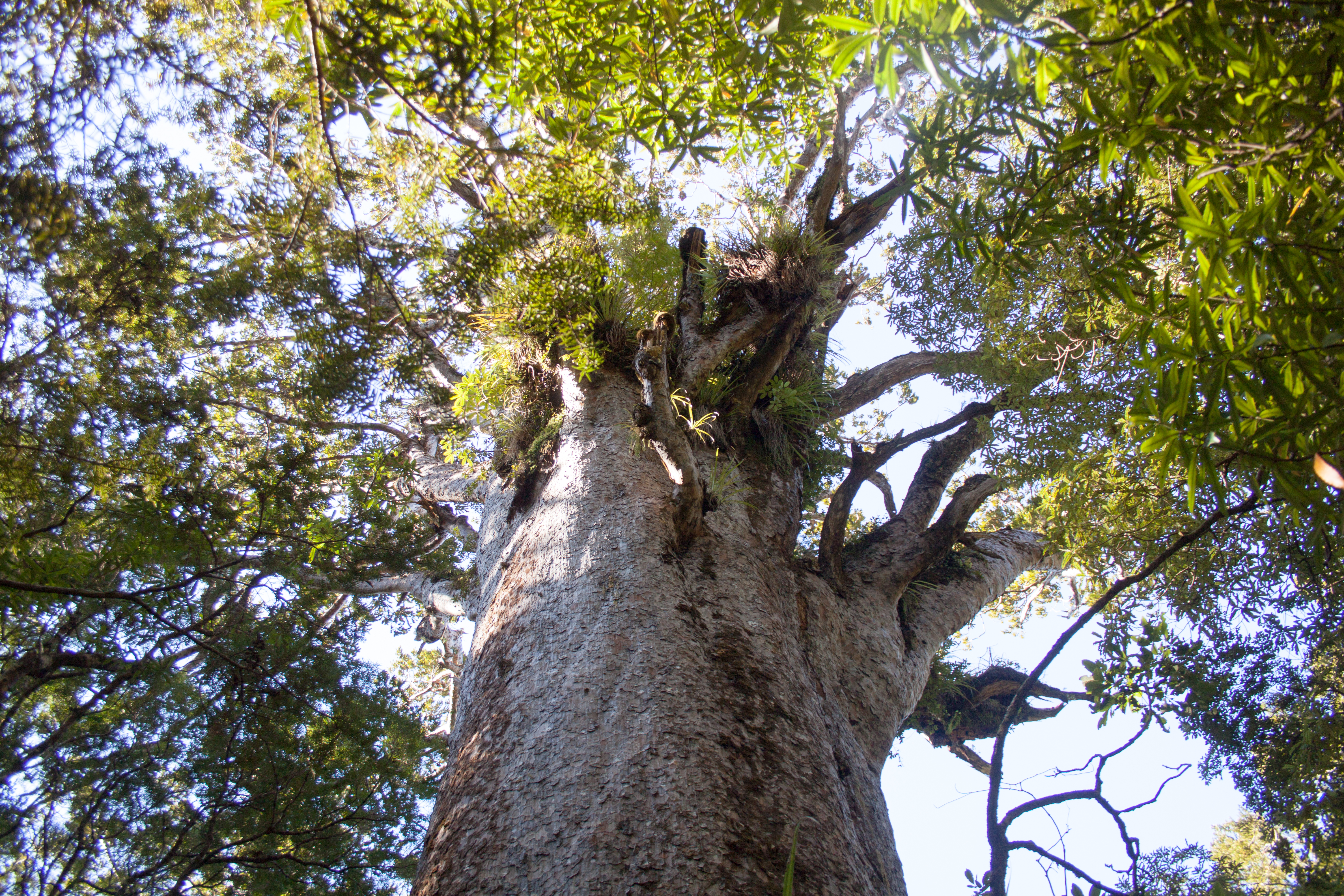
Researchers have developed a new "light touch" method to detect kauri dieback disease in Aotearoa New Zealand's forests [1].
The development is critical because the disease threatens the survival of kauri trees and currently has no cure [1]. Early detection allows for better management of infected areas to prevent the spread to healthy populations.
Kauri dieback is caused by Phytophthora agathidicida, which is a soil-dwelling microbe [1]. The pathogen attacks the root systems of the trees, making it difficult for them to absorb water and nutrients. Because the microbe resides in the soil, it can be easily spread by humans, animals, and equipment moving through the forest.
"Kauri dieback is one of the most serious threats facing Aotearoa New Zealand's kauri forests," a reporter said [1]. The scale of the threat necessitates more efficient ways to monitor forest health without causing further soil disturbance.
Traditional sampling methods can sometimes be invasive, potentially spreading the very pathogen they seek to find. The new approach aims to minimize this risk while maintaining accuracy in identifying the presence of the microbe [1].
"Finding infected trees early and managing them well is critical to protecting the kauri that remain," a researcher said [1]. By identifying the disease in its early stages, conservationists can implement containment strategies to isolate infected trees, and protect the surrounding ecosystem.
There are currently zero known cures for the disease [1]. Consequently, the only viable strategy for the long-term survival of the species is rigorous prevention and the containment of existing outbreaks through precise detection.
“Kauri dieback is one of the most serious threats facing Aotearoa New Zealand's kauri forests.”
The shift toward non-invasive detection methods reflects a broader strategy in forest pathology to prevent 'human-aided' spread. Since Phytophthora agathidicida is soil-borne and incurable, the focus has moved from treatment to strict containment. This new technology may allow for larger-scale screening of forests with a lower risk of accidentally transporting the microbe between sites.


