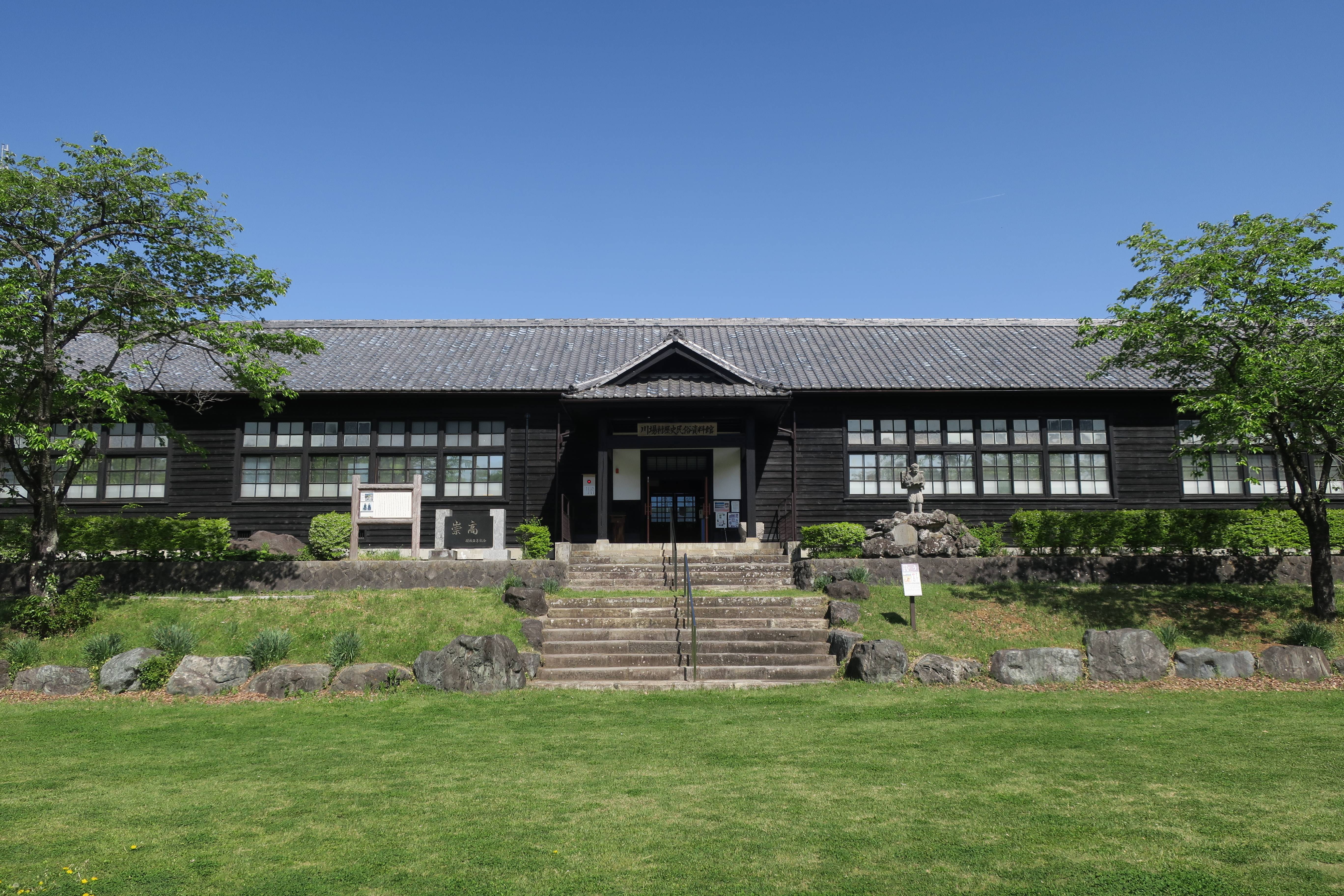
Kawaba Den-en Plaza in Gunma Prefecture has been ranked the top roadside station in Japan for the second consecutive year [1].
The achievement highlights a shift in Japanese domestic tourism toward "stay-type" destinations that provide comprehensive leisure experiences rather than simple transit stops. By integrating agriculture, dining, and recreation, the facility has become a primary destination for travelers from the capital and beyond.
Located in Kawaba Village, the site is approximately 2.5 hours by car from Tokyo [1]. The ranking, announced July 19, 2026, was based on data from the previous year and surveyed more than 1,000 roadside stations [1]. Other reports indicate that some questionnaires have surveyed as many as 1,230 stations [5].
The facility spans about six hectares, which is roughly 1.5 times the size of the Tokyo Dome [4]. This expansive area allows for a variety of attractions that appeal to multiple generations. Visitors can access a direct-sales shop, a craft-beer restaurant, and local milk products [1, 2]. The site also offers free blueberry picking and athletic facilities to encourage longer visits [1, 2].
Visitor numbers for the site vary by source. Some reports state the facility drew over three million visitors last year [2], while other data suggests approximately 1.8 million people visit annually [3]. Despite these discrepancies, the level of visitor satisfaction remains high enough to maintain its top ranking.
The "stay-type" concept focuses on creating a comprehensive environment where guests can spend an entire day. This strategy transforms the traditional roadside station from a convenience stop into a regional economic driver by promoting local produce, and tourism [1, 2].
“Kawaba Den-en Plaza in Gunma Prefecture has been ranked the top roadside station in Japan for the second consecutive year.”
The continued success of Kawaba Den-en Plaza signals a broader trend in Japanese regional revitalization. By evolving from a basic service area into a multi-functional hub of 'stay-type' tourism, the facility demonstrates how rural areas can attract consistent urban crowds from Tokyo. This model emphasizes the economic value of diversifying local offerings—combining agriculture, gastronomy, and active leisure—to ensure long-term visitor loyalty and regional growth.


