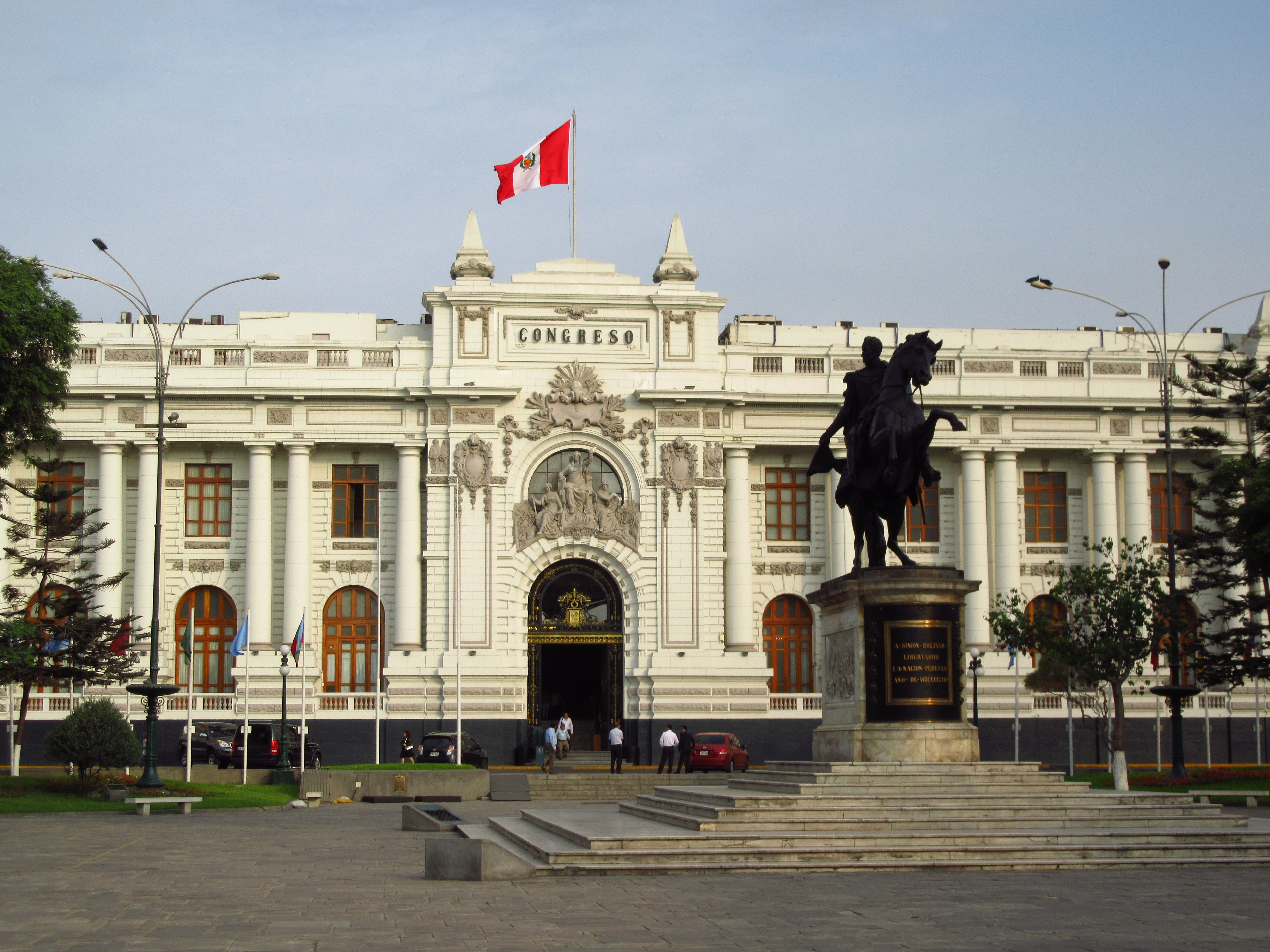
Keiko Fujimori was sworn in as the president of Peru during an official inauguration ceremony in Lima on Tuesday, July 29, 2026 [3].
Fujimori's ascension to the presidency marks a pivotal moment for the nation's stability. Her victory in a narrow runoff election comes as the country grapples with deep political divisions and a legacy of volatility in the executive branch.
Fujimori is the daughter of former President Alberto Fujimori. She takes office with a mandate to address rising crime, implement economic reforms, and pursue national reconciliation [1, 3]. Her inauguration occurred against a backdrop of public unrest, with protesters gathering in the capital to voice their opposition to her leadership [3].
The transition highlights the extreme instability of the Peruvian presidency. Depending on the source, Fujimori is either the ninth [2] or 10th [1] president to hold office within a single decade. This rapid turnover of leadership underscores the systemic fragility of the country's political institutions.
As the first elected female leader in the history of the nation, Fujimori faces the challenge of governing a polarized electorate. The narrow margin of her victory suggests a lack of broad consensus, which may complicate her efforts to pass the economic reforms she promised during her campaign [1].
Security forces remained on high alert in Lima during the ceremony to manage the crowds. The new administration now faces the immediate task of stabilizing the government while addressing the grievances of the citizens protesting outside the presidential palace [3].
“Keiko Fujimori was sworn in as the president of Peru during an official inauguration ceremony in Lima.”
The inauguration of Keiko Fujimori represents both a historic milestone as Peru's first female president and a continuation of a volatile political cycle. The discrepancy in the number of presidents over the last decade—ranging from nine to 10—illustrates a state of near-constant executive transition. Fujimori's ability to govern will likely depend on whether she can move beyond her family's controversial legacy to build a coalition that can withstand the ongoing street protests and institutional instability.

'%2F%3E%0A%20%20%20%20%3Crect%20width%3D'1600'%20height%3D'900'%20fill%3D'url(%23v)'%2F%3E%0A%20%20%20%20%3Cg%20opacity%3D'0.08'%20fill%3D'%23ffffff'%3E%0A%20%20%20%20%20%20%3Ccircle%20cx%3D'1420'%20cy%3D'180'%20r%3D'220'%2F%3E%0A%20%20%20%20%20%20%3Ccircle%20cx%3D'1500'%20cy%3D'760'%20r%3D'120'%2F%3E%0A%20%20%20%20%3C%2Fg%3E%0A%20%20%20%20%3Cline%20x1%3D'80'%20y1%3D'172'%20x2%3D'220'%20y2%3D'172'%20stroke%3D'%23ffffff'%20stroke-width%3D'3'%20stroke-opacity%3D'0.6'%2F%3E%0A%20%20%20%20%3Ctext%20x%3D'80'%20y%3D'140'%20font-family%3D'Inter%2C%20-apple-system%2C%20Helvetica%2C%20sans-serif'%20font-weight%3D'700'%20font-size%3D'28'%20fill%3D'%23ffffff'%20letter-spacing%3D'6'%3EHANNA%20%C2%B7%20NEWS%3C%2Ftext%3E%0A%20%20%20%20%3Ctext%20x%3D'80'%20y%3D'230'%20font-family%3D'Inter%2C%20-apple-system%2C%20Helvetica%2C%20sans-serif'%20font-weight%3D'600'%20font-size%3D'40'%20fill%3D'%23ffffffb3'%20letter-spacing%3D'4'%3EWORLD%3C%2Ftext%3E%0A%20%20%20%20%3Ctext%20x%3D'80'%20y%3D'622'%20font-family%3D'Playfair%20Display%2C%20Georgia%2C%20serif'%20font-weight%3D'800'%20font-size%3D'86'%20fill%3D'%23ffffff'%20letter-spacing%3D'-1'%3ETraffic%20Restricted%20on%20La%3C%2Ftext%3E%3Ctext%20x%3D'80'%20y%3D'721'%20font-family%3D'Playfair%20Display%2C%20Georgia%2C%20serif'%20font-weight%3D'800'%20font-size%3D'86'%20fill%3D'%23ffffff'%20letter-spacing%3D'-1'%3EL%C3%ADnea%20After%20Landslide%20and%3C%2Ftext%3E%3Ctext%20x%3D'80'%20y%3D'820'%20font-family%3D'Playfair%20Display%2C%20Georgia%2C%20serif'%20font-weight%3D'800'%20font-size%3D'86'%20fill%3D'%23ffffff'%20letter-spacing%3D'-1'%3EProtests%3C%2Ftext%3E%0A%20%20%20%20%3Ctext%20x%3D'80'%20y%3D'870'%20font-family%3D'Inter%2C%20-apple-system%2C%20Helvetica%2C%20sans-serif'%20font-weight%3D'500'%20font-size%3D'22'%20fill%3D'%23ffffff66'%20letter-spacing%3D'2'%3Enews.hanna-ai.com%3C%2Ftext%3E%0A%20%20%3C%2Fsvg%3E)
