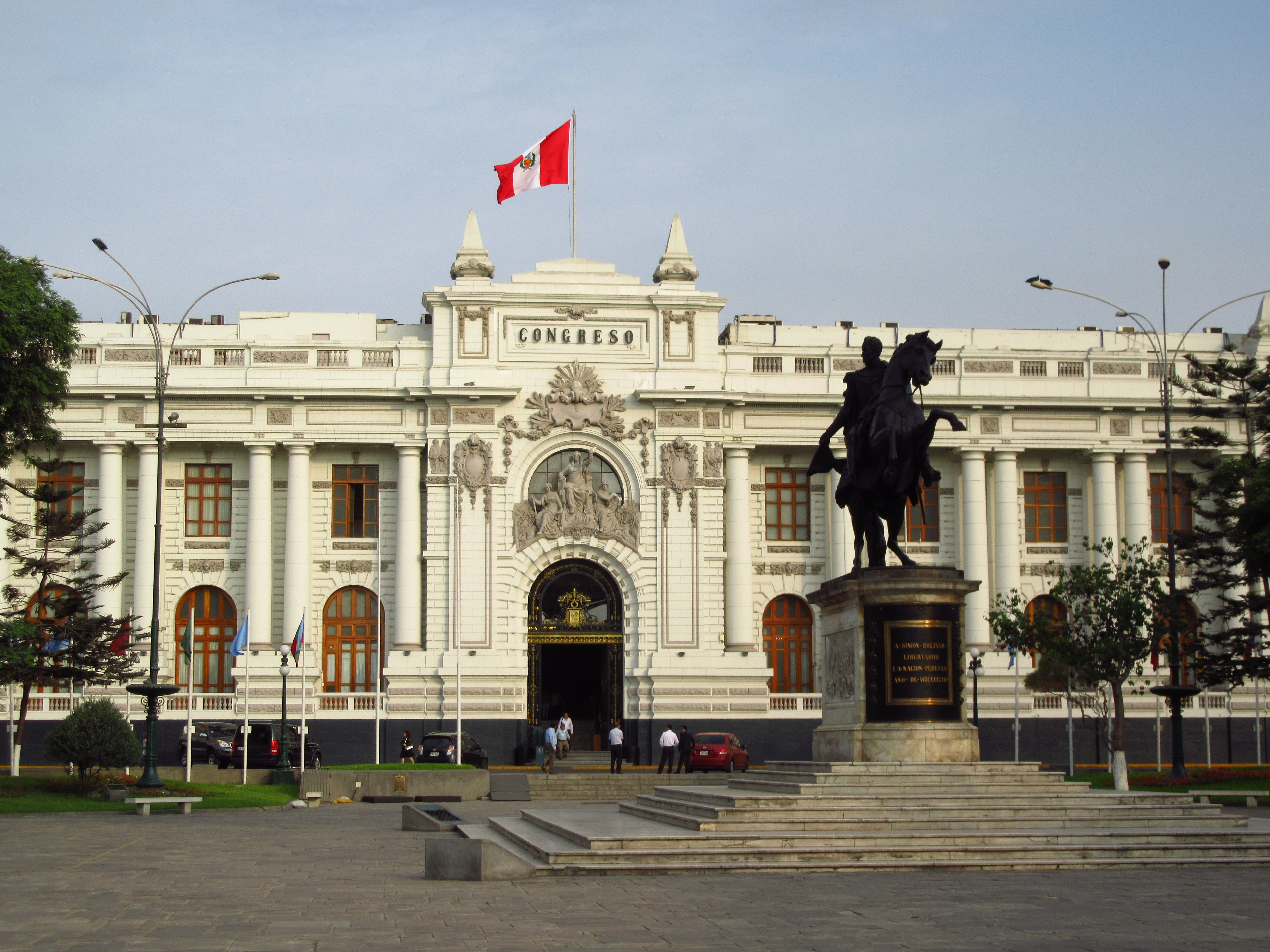
Keiko Fujimori was sworn in as the president of Peru on Tuesday following a narrow victory in the June election [1].
The inauguration marks the continuation of the Fujimori political dynasty in a country defined by extreme executive instability. Fujimori assumes leadership of a nation where four former presidents are currently incarcerated [2].
Fujimori secured her victory by a margin of fewer than five percent [1]. During her campaign and leading up to the ceremony in Lima, she pledged to implement an iron-fisted crackdown on crime to stabilize the country [1].
The transition occurs against a backdrop of deep political division. The narrowness of the June election suggests a fragmented electorate, while the imprisonment of four previous heads of state highlights a pattern of legal and political turmoil within the Peruvian government [2].
Fujimori now faces the challenge of governing with a slim mandate while attempting to restore order through her promised security measures. The ceremony in Lima served as the formal start of her term, though the shadow of her predecessors' legal failures looms over the new administration [2].
“Keiko Fujimori was sworn in as the president of Peru on Tuesday”
The ascension of Keiko Fujimori represents both a return to a known political lineage and a gamble on hardline security policies. Given that four former presidents are imprisoned and Fujimori won by a razor-thin margin, her ability to maintain stability will depend on whether her 'iron-fisted' approach can suppress crime without triggering the same legal or social collapses that dismantled previous administrations.


