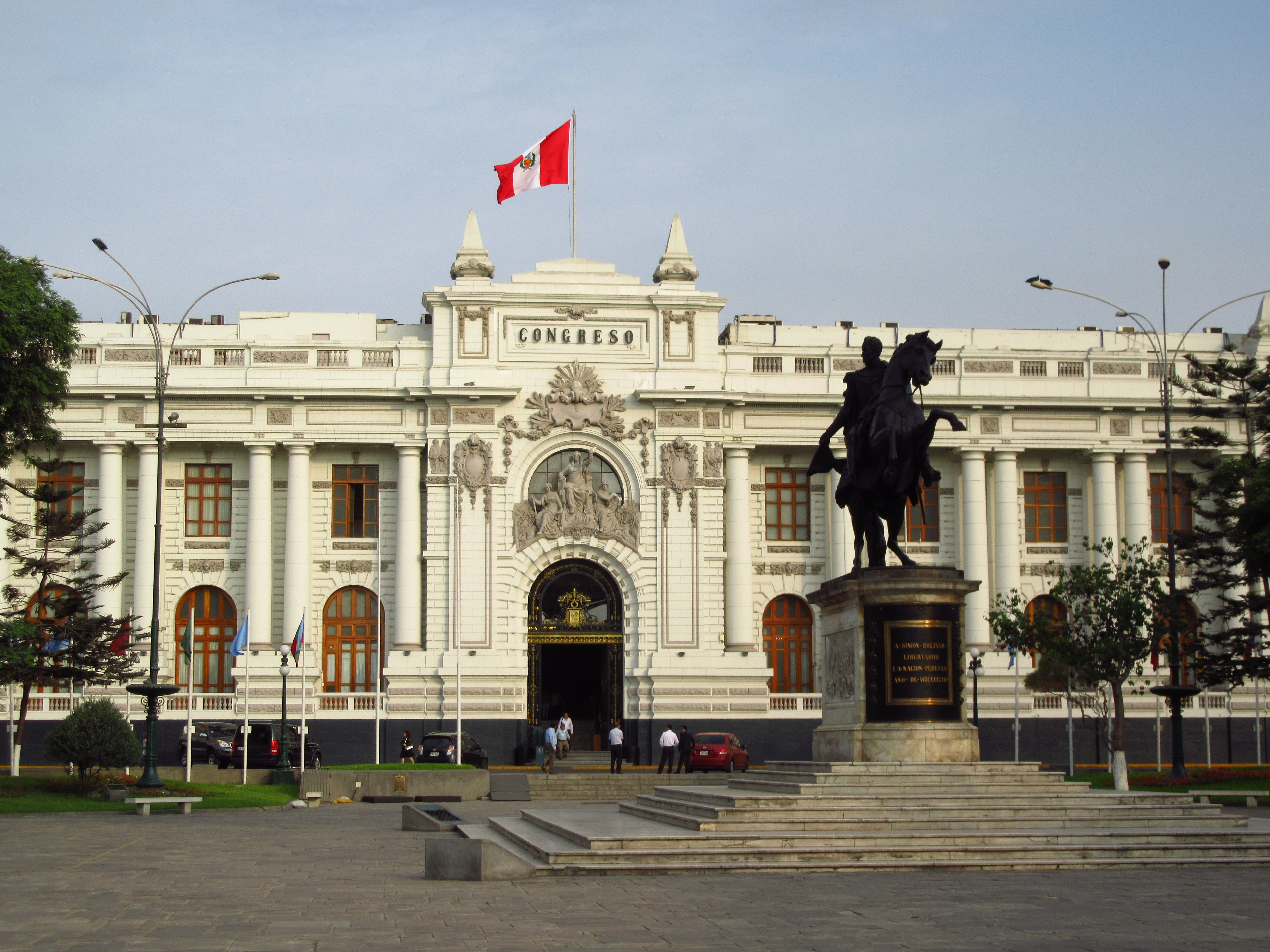
Keiko Fujimori was sworn in as the president of Peru in Lima on July 28 [1].
Fujimori's ascension to the presidency follows a period of deep social and political division. Her administration faces the immediate challenge of stabilizing a country where severe poverty persists in rural highlands and urban slums.
Fujimori, 51 [2], won the presidency following a runoff election held on June 7 [2]. In her inaugural address, she focused on the systemic failures affecting the nation's poorest citizens.
"My goal is to bridge the economic gap that affects millions of citizens," Fujimori said [3].
The new president has prioritized the reduction of economic disparities and the improvement of public safety. Some reports indicate that the construction of large-scale prisons to combat crime is a primary objective for her government [4]. However, other priorities include education, as citizens in impoverished areas argue that children often abandon their schooling due to financial hardship [3].
The scale of the economic crisis remains stark. Approximately 25% of the Peruvian population earns less than 20,000 yen per month [5]. This wide wealth gap has historically fueled unrest, particularly in the Andean mountain regions where residents live in extreme poverty [3].
Fujimori is the daughter of the late former President Alberto Fujimori. Her political identity has been described variously as right-wing or center-right [4], reflecting the polarized nature of the electorate she now leads.
"The country is divided and I will listen to both sides," Fujimori said [2].
“"My goal is to bridge the economic gap that affects millions of citizens."”
Fujimori's presidency represents a return to a prominent political dynasty, but her success depends on whether she can move beyond her family legacy to address structural poverty. By focusing on both security and economic inequality, she is attempting to balance a hardline law-and-order approach with social welfare programs to appease a fragmented electorate.


