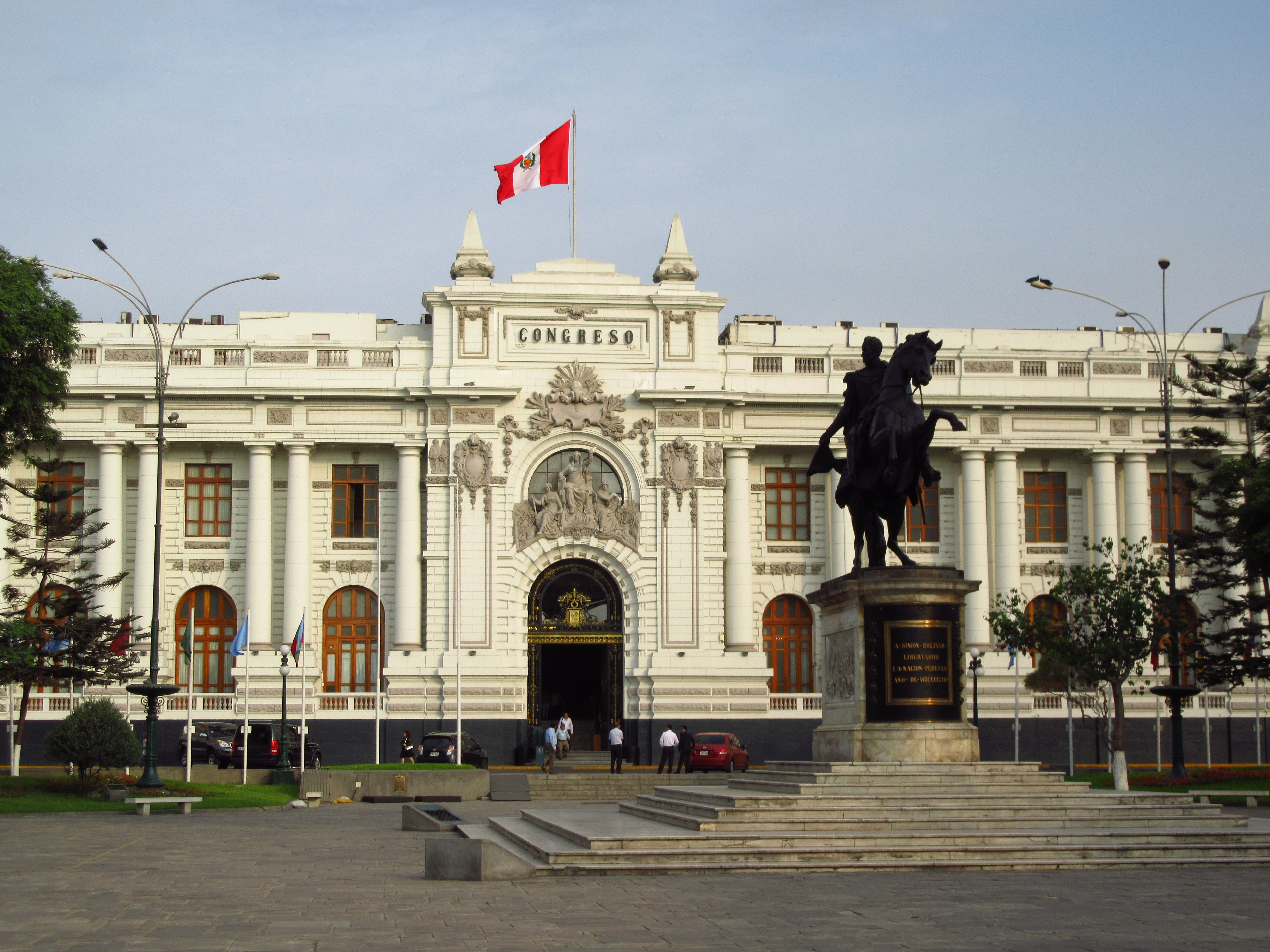
Keiko Fujimori was sworn in as the president of Peru on July 28, 2026 [2].
Her inauguration marks the first time a woman has been elected to lead the nation. The transition returns the Fujimorismo political movement to power, signaling a potential shift in the country's administrative and security strategies.
During her first speech before Congress in Lima, Fujimori emphasized a philosophy of leadership rooted in public service. "El poder solo encuentra sentido cuando se ejerce para servir," she said [1].
Fujimori outlined a governance agenda centered on environmental crises and public safety. She identified the climate crisis as a primary concern for her administration. "Mi primera prioridad será atender los efectos de las emergencias climáticas y enfrentar el cambio climático," she said [3].
To address internal instability, the president announced a strategy involving the military. She said that the Armed Forces will temporarily handle security operations and internal order control within zones declared as states of emergency [4].
Fujimori's term is set to run from 2026 to 2031 [3]. This five-year mandate begins amid a landscape of pressing security needs and environmental volatility, challenges she intends to meet through a combination of military intervention and climate policy.
The ceremony in Lima served as the formal start of her presidency, where she pledged to serve the nation and improve general security for the Peruvian people [4].
“"El poder solo encuentra sentido cuando se ejerce para servir"”
The presidency of Keiko Fujimori represents a significant political pivot for Peru, combining a historic gender milestone with the return of a controversial political dynasty. By immediately prioritizing military involvement in internal security and climate adaptation, Fujimori is positioning her administration as one of 'strong-hand' stability. The success of her five-year term will likely depend on whether this approach can resolve chronic insecurity without triggering further social or political unrest.


