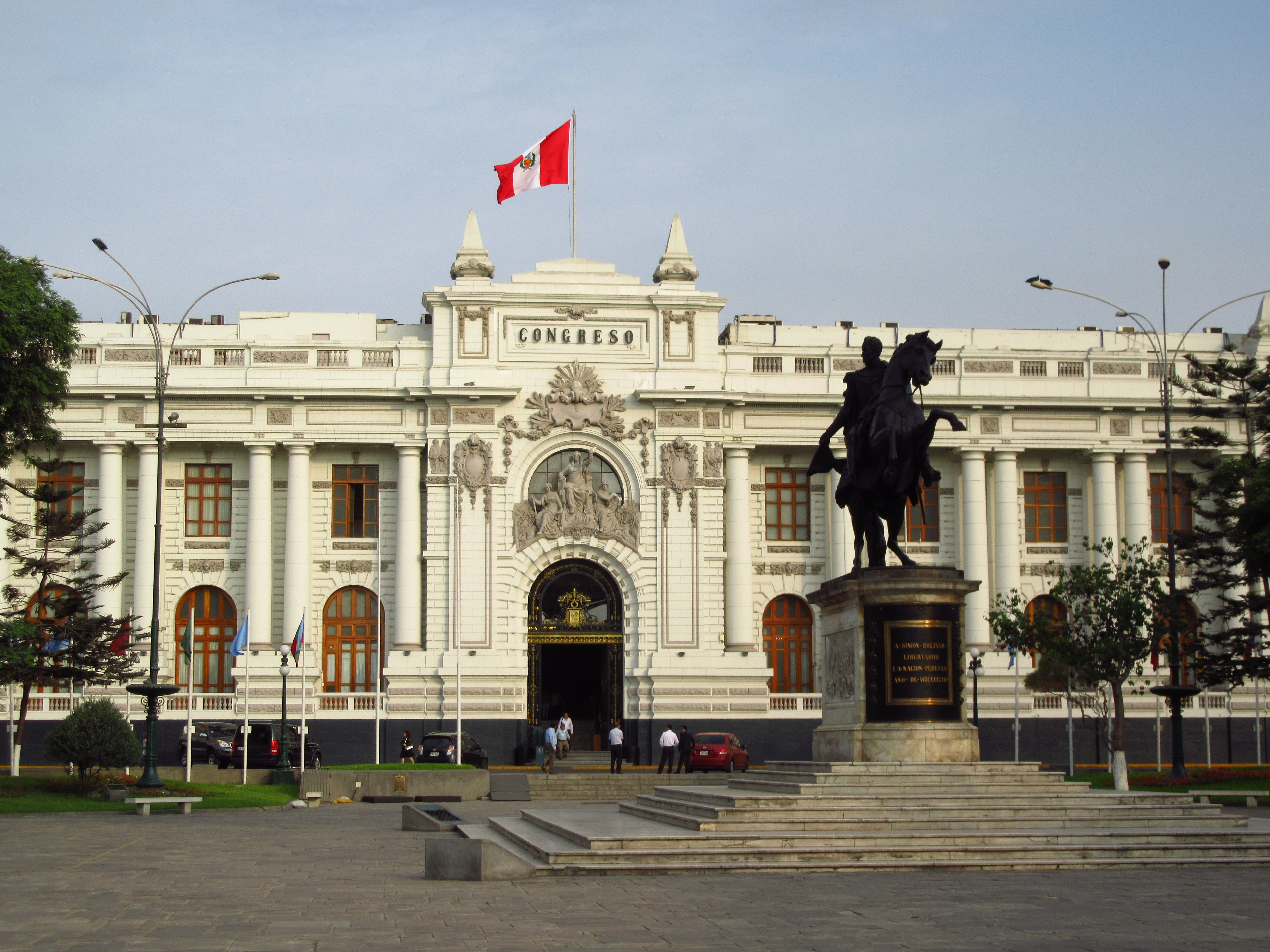
Keiko Fujimori was sworn in as president of Peru on Tuesday at the Congress of the Republic in Lima [1].
Her inauguration marks the first time a woman has held the presidency in Peru [2]. The victory returns the Fujimori political dynasty to power after a period of absence ranging from 26 to 30 years [2, 4].
After leaving the Congress building, Fujimori visited the Government Palace. She said she would address the surge of violent crime currently sweeping the nation [1, 3].
The path to the presidency was a prolonged process for Fujimori. She spent 15 years making unsuccessful presidential attempts before winning the current cycle [4]. Her victory was narrow, with a margin of fewer than five percentage points [3].
Fujimori's ascent follows the certification of the June 2024 presidential election results [3]. The transition comes at a time of significant public concern over safety and security across the country [1, 3].
“Keiko Fujimori was sworn in as president of Peru on Tuesday”
The return of Fujimorism to the executive branch signals a pivot in Peru's political landscape. By prioritizing a crackdown on violent crime, Fujimori is aligning her early agenda with a primary public grievance, while her status as the first female president breaks a long-standing institutional barrier in the country's leadership.