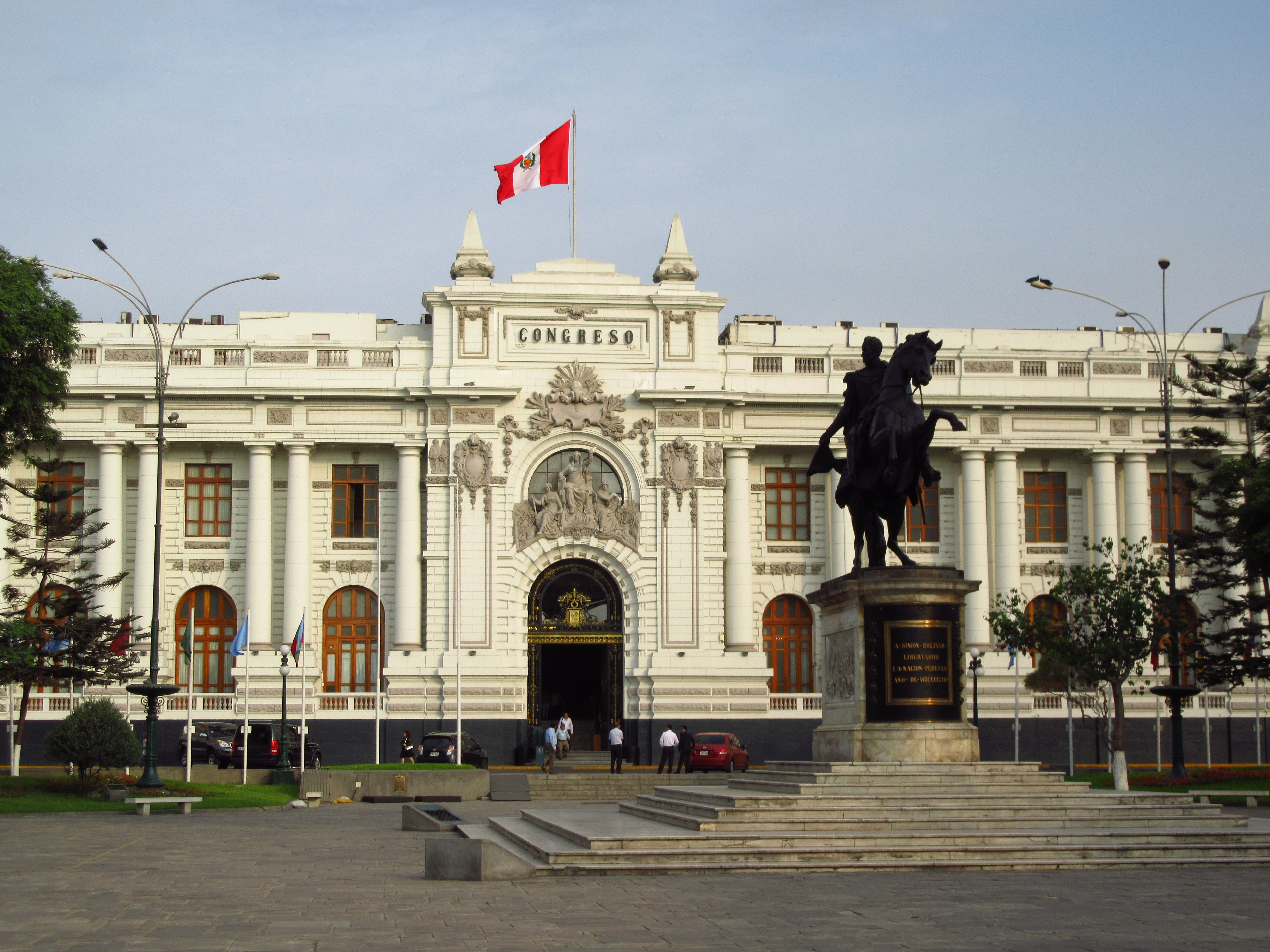
Keiko Fujimori was sworn in as the president of Peru on July 28, 2026, at the Congress of the Republic in Lima [1], [2].
Fujimori's victory marks a significant political return for the Fujimorist movement. As the daughter of former president Alberto Fujimori, her ascent to power follows three previous unsuccessful presidential candidacies [1], [5].
During her first presidential speech, Fujimori said the current state of the nation is difficult. "El diagnóstico es complejo y doloroso," she said [2].
The 51-year-old leader is the first woman to be elected to the presidency of Peru by popular vote [1]. Her official proclamation as president-elect occurred earlier this month on July 3, 2026 [5].
Fujimori said she is committed to national healing and a specific timeline for her administration. "Me caso con el Perú y sanaré sus heridas," she said [6]. She said her intent is to begin writing the future for the next five years, adding, "ni un día más" [2].
The inauguration concludes a long political trajectory for Fujimori, who has remained a central figure in Peruvian politics for years. The five-year term [2] begins amid a complex national landscape that she acknowledged in her address to the Congress.
“The 51-year-old becomes the first woman elected by popular vote to lead the country.”
The election of Keiko Fujimori represents the culmination of a multi-decade effort to restore the Fujimori family's influence in Peruvian governance. By securing a popular mandate after three prior failures, she legitimizes a political platform that has historically polarized the Peruvian electorate. Her focus on 'healing wounds' suggests an attempt to bridge deep societal divisions, though the specific policy mechanisms to achieve this remain undefined.
'%2F%3E%0A%20%20%20%20%3Crect%20width%3D'1600'%20height%3D'900'%20fill%3D'url(%23v)'%2F%3E%0A%20%20%20%20%3Cg%20opacity%3D'0.08'%20fill%3D'%23ffffff'%3E%0A%20%20%20%20%20%20%3Ccircle%20cx%3D'1420'%20cy%3D'180'%20r%3D'220'%2F%3E%0A%20%20%20%20%20%20%3Ccircle%20cx%3D'1500'%20cy%3D'760'%20r%3D'120'%2F%3E%0A%20%20%20%20%3C%2Fg%3E%0A%20%20%20%20%3Cline%20x1%3D'80'%20y1%3D'172'%20x2%3D'220'%20y2%3D'172'%20stroke%3D'%23ffffff'%20stroke-width%3D'3'%20stroke-opacity%3D'0.6'%2F%3E%0A%20%20%20%20%3Ctext%20x%3D'80'%20y%3D'140'%20font-family%3D'Inter%2C%20-apple-system%2C%20Helvetica%2C%20sans-serif'%20font-weight%3D'700'%20font-size%3D'28'%20fill%3D'%23ffffff'%20letter-spacing%3D'6'%3EHANNA%20%C2%B7%20NEWS%3C%2Ftext%3E%0A%20%20%20%20%3Ctext%20x%3D'80'%20y%3D'230'%20font-family%3D'Inter%2C%20-apple-system%2C%20Helvetica%2C%20sans-serif'%20font-weight%3D'600'%20font-size%3D'40'%20fill%3D'%23ffffffb3'%20letter-spacing%3D'4'%3EWORLD%3C%2Ftext%3E%0A%20%20%20%20%3Ctext%20x%3D'80'%20y%3D'622'%20font-family%3D'Playfair%20Display%2C%20Georgia%2C%20serif'%20font-weight%3D'800'%20font-size%3D'86'%20fill%3D'%23ffffff'%20letter-spacing%3D'-1'%3EFrance%20and%20Spain%20Battle%3C%2Ftext%3E%3Ctext%20x%3D'80'%20y%3D'721'%20font-family%3D'Playfair%20Display%2C%20Georgia%2C%20serif'%20font-weight%3D'800'%20font-size%3D'86'%20fill%3D'%23ffffff'%20letter-spacing%3D'-1'%3EMassive%20Wildfires%20During%3C%2Ftext%3E%3Ctext%20x%3D'80'%20y%3D'820'%20font-family%3D'Playfair%20Display%2C%20Georgia%2C%20serif'%20font-weight%3D'800'%20font-size%3D'86'%20fill%3D'%23ffffff'%20letter-spacing%3D'-1'%3EFourth%20Summer%20Heatwave%3C%2Ftext%3E%0A%20%20%20%20%3Ctext%20x%3D'80'%20y%3D'870'%20font-family%3D'Inter%2C%20-apple-system%2C%20Helvetica%2C%20sans-serif'%20font-weight%3D'500'%20font-size%3D'22'%20fill%3D'%23ffffff66'%20letter-spacing%3D'2'%3Enews.hanna-ai.com%3C%2Ftext%3E%0A%20%20%3C%2Fsvg%3E)

