Keiko Fujimori was sworn in as the president of Peru on July 28, 2026 [3].
The inauguration marks a significant political shift as it returns the Fujimorismo movement to power after 26 years [1]. Fujimori's victory serves as a response to the ongoing economic and political crises facing the nation.
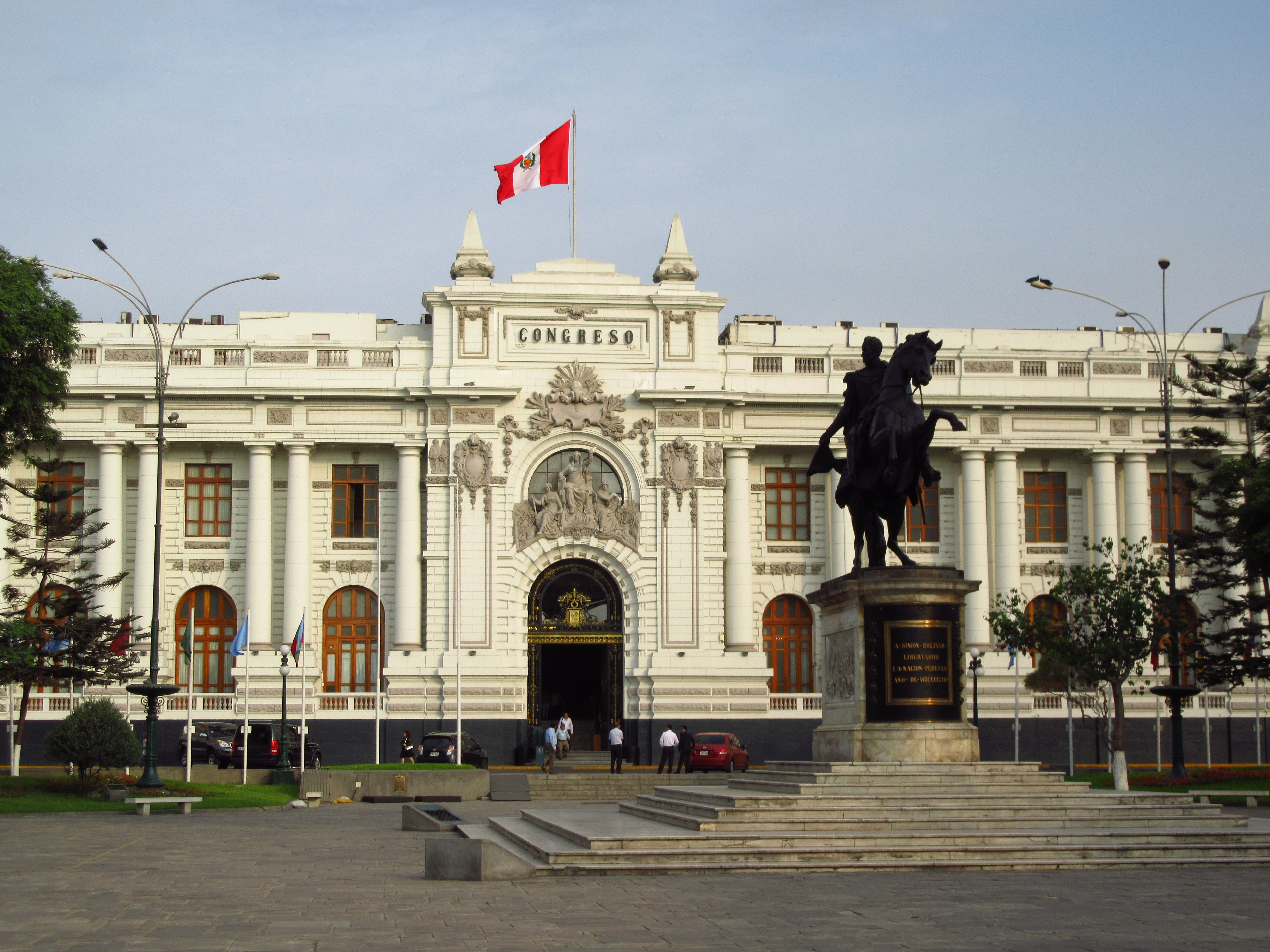
Fujimori, the leader of Fuerza Popular, is the first woman to be elected by popular vote to govern Peru [4]. She took the oath of office during a ceremony in Lima, where the presidential sash was handed over to the 51-year-old leader [2].
This transition ends a long absence of the family's influence in the executive branch. The movement had been out of power since the resignation of her father, former president Alberto Fujimori, in 2000 following a series of corruption scandals [1].
The return of the Fujimori name to the presidency is seen by some as a political comeback for one of Peru's most polarizing families. The new administration inherits a landscape of volatility, taking over one of the most risky political positions in Latin America.
Fujimori now leads the country as it attempts to stabilize its internal governance, and address the needs of a population weary of instability. The ceremony on Tuesday signaled the official start of her term and the formal beginning of a new era for the Fuerza Popular party [3].
“Keiko Fujimori is the first woman to be elected by popular vote to govern Peru.”
The election of Keiko Fujimori represents a restoration of the political legacy of Alberto Fujimori, whose 1990s tenure was characterized by both economic stabilization and severe human rights controversies. Her presidency suggests a public preference for the perceived stability of the Fujimorismo model over recent fragmented administrations, though it likely ensures continued deep ideological divisions within the Peruvian electorate.


