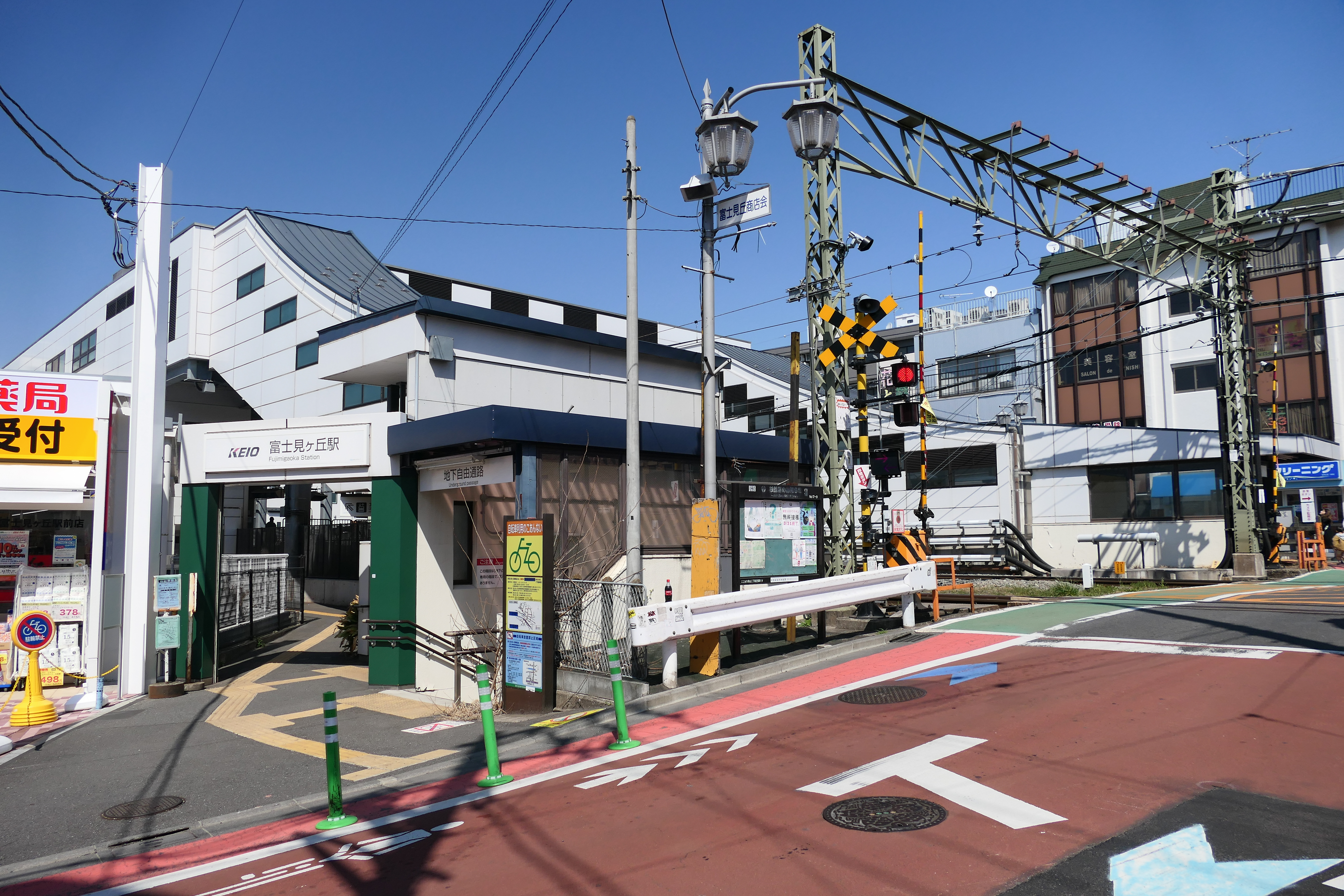
Keio Electric Railway suspended train service on the Inokashira Line between Eifukucho and Fujimigaoka stations on Sunday following safety-device failures [1].
Disruptions to the Tokyo transit network often impact thousands of commuters and affect the timing of connecting lines across the city's dense rail infrastructure. The failure occurred at multiple level crossings, specifically those located between Hamadayama and Takado stations [1].
Company officials reported the trouble began around 1:30 p.m. JST [1]. A spokesperson for Keio Electric Railway said, "A safety-device trouble occurred" [1]. Despite the technical failure at the crossings, the spokesperson said, "There are no injuries" [1].
The exact cause of the malfunction remains under investigation, though separate reports indicate the failure was likely caused by a lightning strike [2]. Lightning strikes can trigger automatic safety protocols in rail systems—effectively freezing traffic to prevent accidents—but they can also damage the electrical components of crossing gates [2].
While initial reports from ANNnewsCH indicated there was no immediate prospect for the resumption of service, later updates provided a timeline for recovery [1]. Keio Electric Railway said that service resumed at 3:50 p.m. JST [2].
The suspension lasted approximately two hours and 20 minutes, leaving passengers to find alternative transportation during the Sunday afternoon window [1], [2].
“"A safety-device trouble occurred"”
This incident highlights the vulnerability of Tokyo's surface-level rail infrastructure to sudden weather events. While the safety systems functioned as intended by halting trains to prevent potential collisions at the level crossings, the reliance on these devices means that a single lightning strike can paralyze a significant segment of the Inokashira Line, emphasizing the ongoing challenge of balancing automated safety with operational resilience.