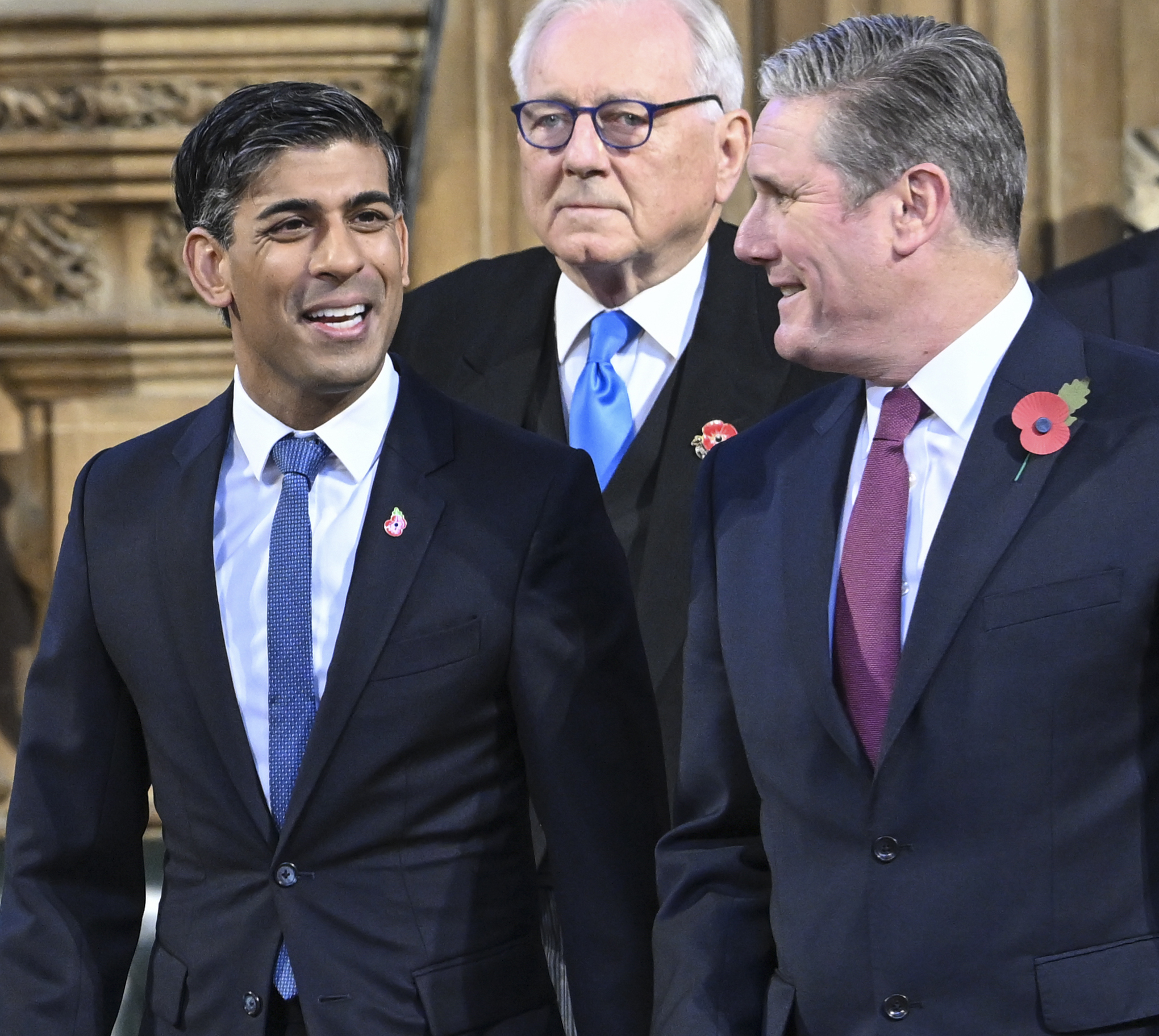
Prime Minister Keir Starmer announced a new Defence Investment Plan during a live speech in London on June 8, 2026.
The announcement arrives as the UK government seeks to stabilize national security funding before a leadership transition. This plan serves as one of the final major policy actions of Starmer's tenure before he is expected to step down in July 2026 [1].
During the address, Starmer highlighted an estimated £28 billion shortfall in defence funding [1]. The Prime Minister said that ramping up defence investment must be the "number one priority" for the nation. The strategy aims to bridge this financial gap, and modernize the military's capabilities to meet current global threats.
While some reports cited a £15 billion spending plan [2], the Prime Minister's address focused on the broader deficit facing the armed forces. Starmer said, "I take pride in our defence legacy as we unveil this investment plan."
The plan outlines a strategic shift in how the United Kingdom allocates resources toward its military infrastructure. By addressing the funding gap now, the administration intends to provide the next government with a clearer financial roadmap for national security.
Starmer's departure next month marks the end of a period defined by attempts to reconcile fiscal constraints with increasing geopolitical pressures. The Defence Investment Plan is designed to ensure that the transition of power does not leave the military in a state of financial instability.
“Ramping up defence investment must be the 'number one priority'.”
The announcement of a £28 billion funding shortfall suggests that the UK's defence capabilities have been significantly underfunded relative to current strategic needs. By codifying this investment plan immediately before his exit, Starmer is attempting to lock in a financial commitment that his successor cannot easily ignore, effectively setting the security agenda for the next administration.