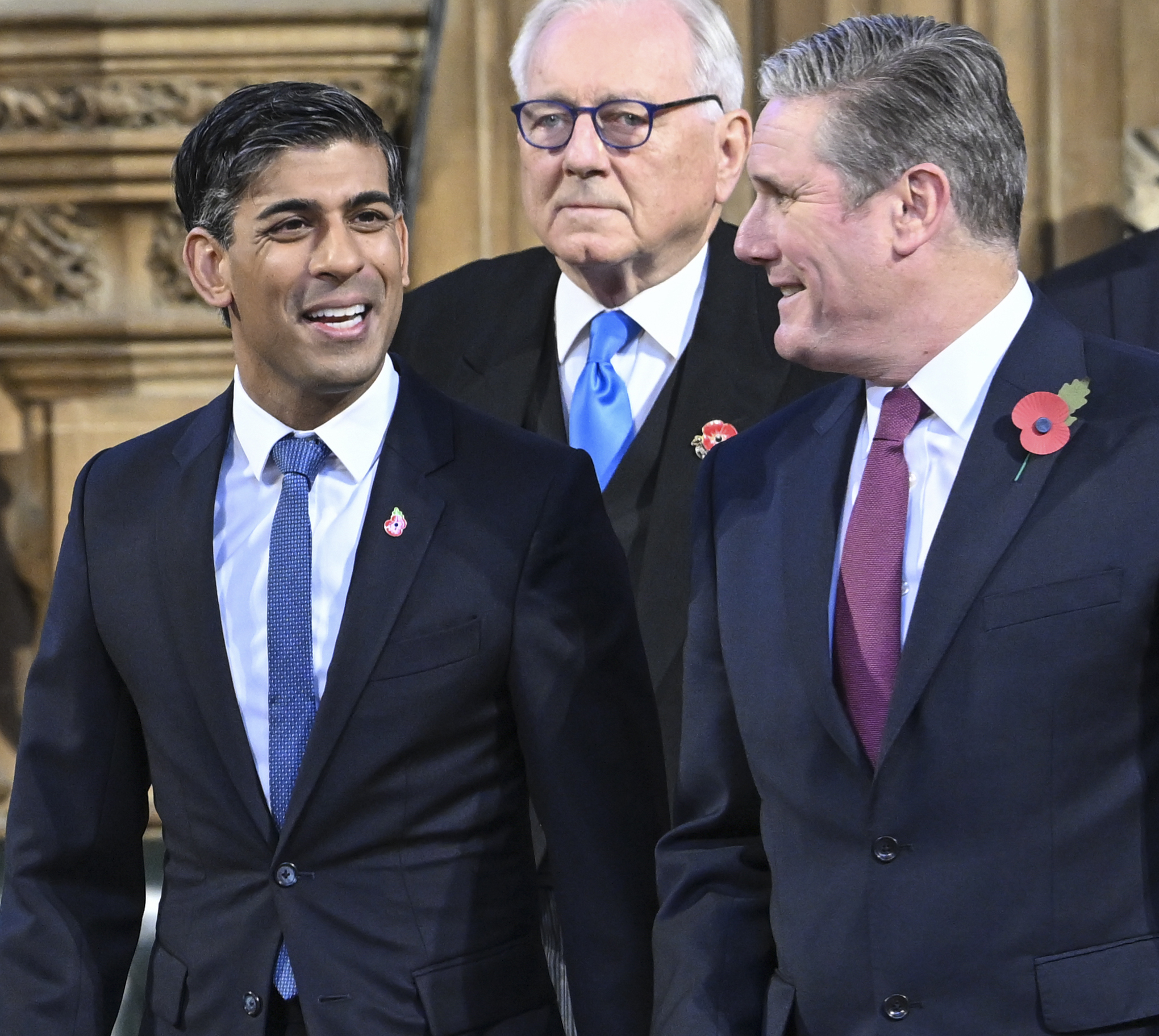
Sir Keir Starmer, the Prime Minister of the United Kingdom and leader of the Labour Party, is expected to resign in the coming days [1].
A change in leadership at the highest level of the British government would signal a significant shift in the UK's political trajectory. This development follows a period of mounting internal instability within the governing party.
Reports indicate that Starmer may announce his departure as early as Monday, June 24, 2026 [3]. The transition is expected to be coordinated from Downing Street and the Labour Party headquarters in London [1, 2].
The move comes amid intense pressure from Labour MPs and the wider party membership [3]. This internal friction intensified following the decisive victory of Andy Burnham in the Makerfield by-election [2, 3].
Political analysts said the by-election result shifted the mood within the government, undermining Starmer's current standing among his colleagues [2, 3]. The victory for Burnham has created a catalyst for those within the party seeking a new direction for the leadership.
While a formal announcement has not yet been made, the expectation of a resignation has dominated political discourse in the UK this week [1, 3]. The Labour Party now faces the prospect of a leadership contest to determine who will succeed Starmer as both party leader and head of government.
“Sir Keir Starmer is expected to resign as Prime Minister and Labour Party leader in the coming days.”
The potential resignation of Sir Keir Starmer highlights the volatility of leadership when party internal polling and local election results diverge from the Prime Minister's agenda. By stepping down following Andy Burnham's success in Makerfield, Starmer acknowledges that the party's center of gravity has shifted, likely paving the way for a leadership transition that reflects the current mood of the Labour grassroots and parliamentary wing.


