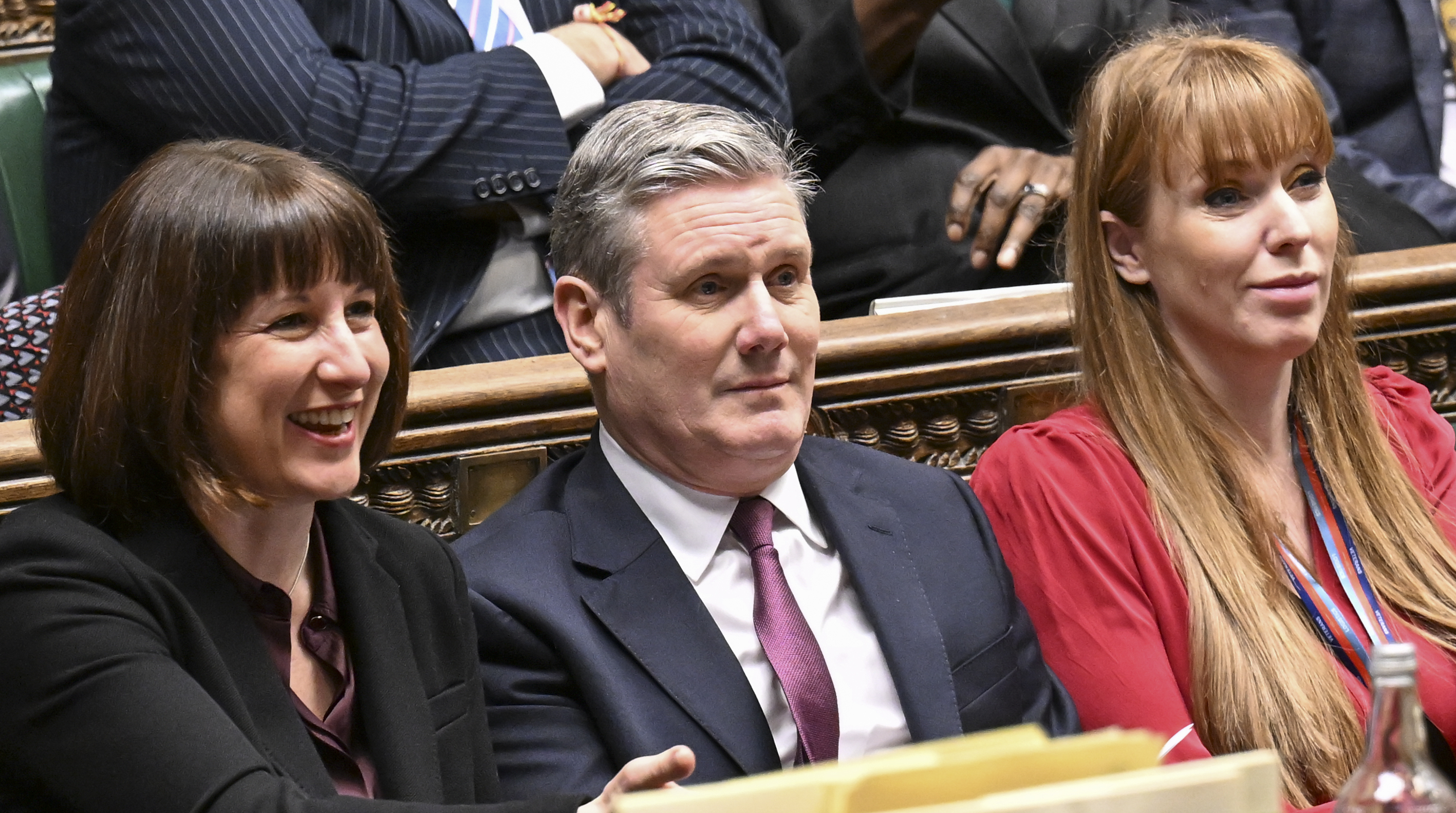
Prime Minister Keir Starmer (Labour) dismissed calls for his resignation and said his party can still win the next general election [1], [2], [3].
The stance comes as Starmer attempts to stabilize his leadership and reassure party members following a series of disappointing results in local contests. These losses have fueled internal doubts about the party's current trajectory and its ability to capture a majority in a national vote.
The tension follows local elections held on May 4, 2024 [1]. The results have left the Prime Minister facing pressure from both political opponents and critics within his own ranks who question if his leadership style can mobilize the necessary voter base for a general victory.
Starmer addressed the skepticism directly regarding his position. "I know I have my doubters, and I know I need to prove them wrong, and I will," Starmer said [1].
Despite the internal friction, Starmer remains focused on the broader electoral map. He said that Labour can still win the next general election [2]. This assertion persists even as some reports suggest public trust in politicians has reached a critical low, creating a challenging environment for any party seeking a mandate.
Political analysts suggest the party is struggling with its identity in the current climate. Rob Watson, a BBC UK political correspondent, said the post-Brexit reset is being judged as either a victory or a betrayal for Labour [3]. This ideological divide complicates the party's effort to present a unified front to the electorate.
Starmer has not indicated a change in strategy or a timeline for a general election. Instead, he is positioning himself as the only viable leader to navigate the party through the current volatility, a gamble that relies on his ability to convert local setbacks into a national recovery.
“"Labour can still win the next general election."”
Starmer's refusal to step down signals a high-stakes bet on his own resilience and the belief that local election volatility does not necessarily predict general election failure. However, the ongoing debate over the 'post-Brexit reset' suggests that Labour is still fighting an internal battle over its core identity, which may hinder its ability to broaden its appeal to a skeptical public.


