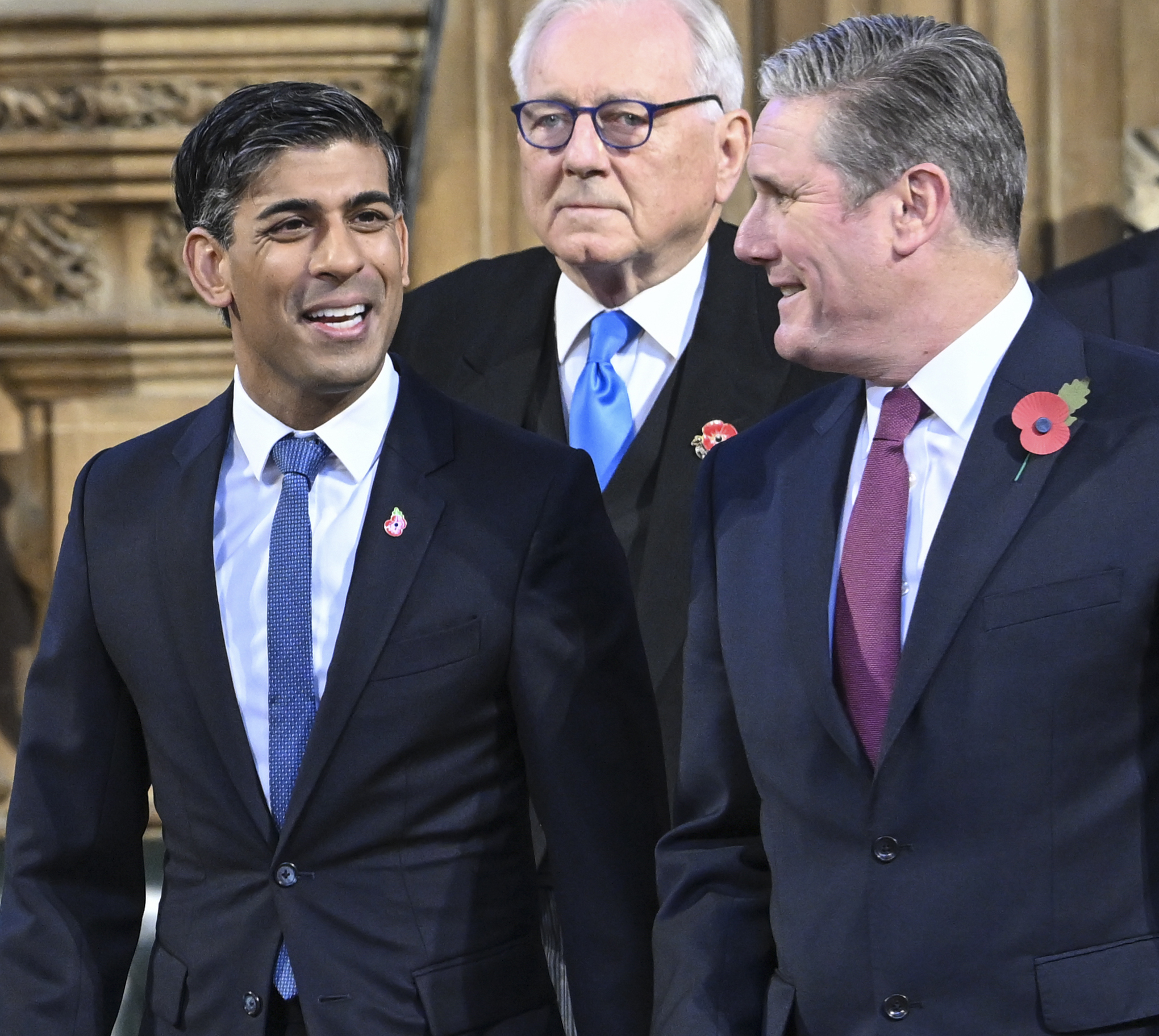
Prime Minister Keir Starmer is facing mounting pressure from Labour Party MPs and cabinet ministers to resign this week [1, 2].
The crisis threatens the stability of the UK government as internal dissent grows following a series of electoral failures and policy reversals. This instability occurs at a critical juncture for the party's national standing.
The leadership turmoil follows a disastrous performance by the Labour Party in recent local elections [3, 4]. This defeat, combined with a sequence of unpopular policy shifts and scandals, has led members of the party to question Starmer's ability to lead [3, 5].
Internal friction has escalated to the point that a junior minister has resigned and called for the Prime Minister to step down [6]. While some reports describe a growing chorus of MPs publicly demanding his departure, other accounts suggest there is still no clear resolution to the leadership crisis [3, 1].
Starmer has attempted to project stability despite the unrest. During a recent meeting that lasted less than 20 minutes [7], the Prime Minister addressed the challenges facing his administration.
Starmer said that any leadership challenge would "plunge us into chaos" [1]. He said, "I will get on with governing" [2].
Despite these assertions, the pressure from within the Labour Party remains high. The Prime Minister continues to navigate a landscape of dwindling support from his own cabinet and parliamentary colleagues, a situation that complicates his legislative agenda and public standing.
“any leadership challenge would 'plunge us into chaos'”
The current volatility within the Labour Party suggests a significant disconnect between the party leadership and its parliamentary base. If Starmer cannot consolidate support or demonstrate a clear path to recovery from the local election losses, the party may face a formal leadership challenge that could destabilize the UK government's policy implementation and international standing.