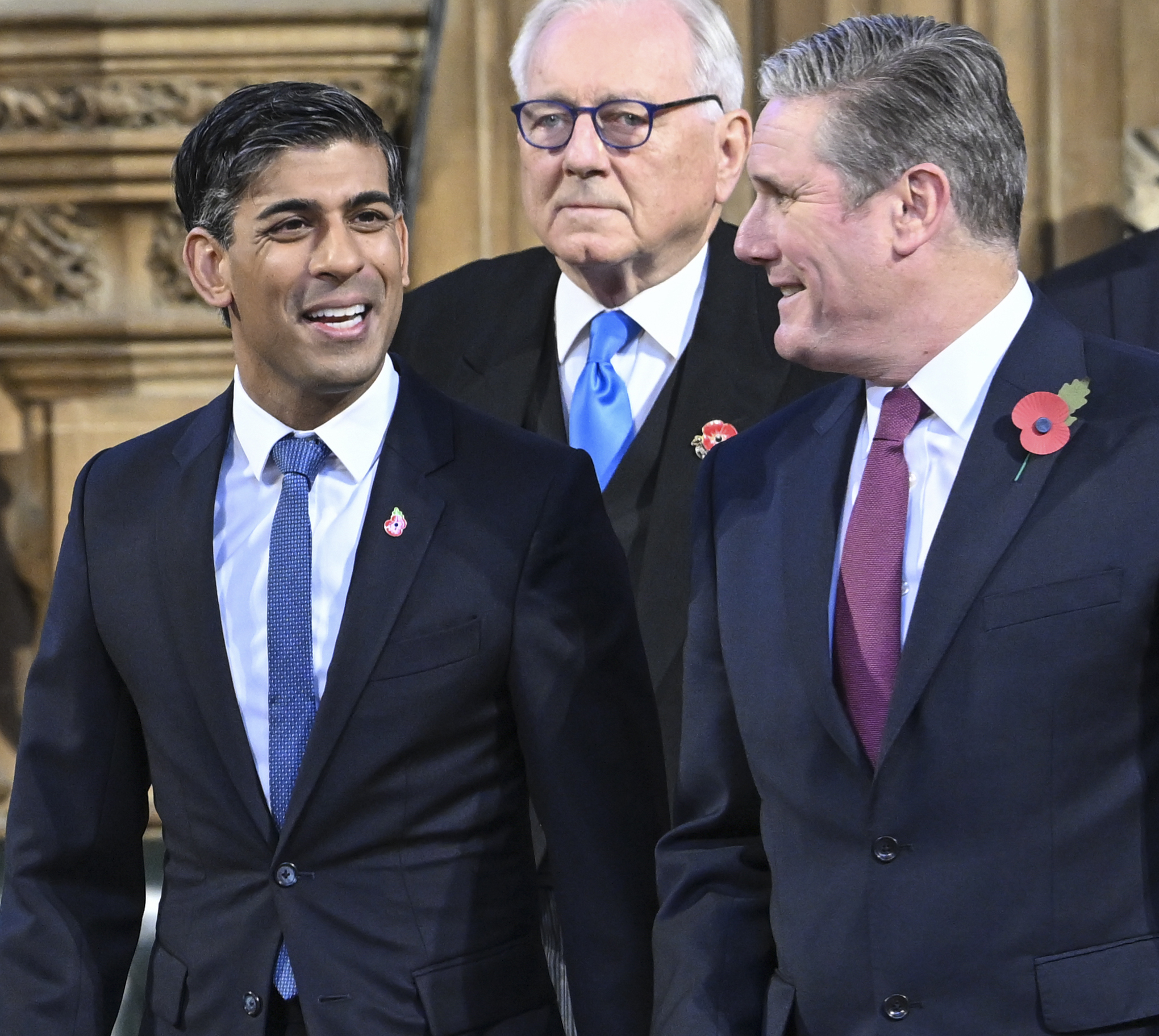
Prime Minister Sir Keir Starmer is facing mounting pressure from within his own party to resign ahead of a critical parliamentary vote on Tuesday.
This internal conflict threatens the stability of the UK government and the leadership of the Labour Party. A vote in the House of Commons regarding a sleaze inquiry could trigger a formal leadership challenge if the Prime Minister loses the support of his MPs.
Dozens of Labour MPs have urged Starmer to either step down immediately or establish a clear timetable for his departure [1]. The unrest is driven by discontent over Starmer's leadership and controversy surrounding the appointment of Lord Mandelson [2], [3], [4].
Starmer addressed these challenges in a speech on Monday morning. Despite the calls for his resignation, reports indicate he intends to maintain his position. He is planning to ensure that Labour MPs vote down any attempt to refer him to a parliamentary sleaze inquiry [4].
The upcoming vote on Tuesday will determine whether Starmer should be investigated for contempt of the House. This puts party members in a difficult position, as they must choose between loyalty to the current leader, and the demand for a probe into government conduct.
"Pity the poor Labour MPs who will be expected to walk through the lobbies on Tuesday to decide whether Sir Keir Starmer should be investigated for contempt of the House," an AOL News author said [3].
While some MPs are pushing for an immediate exit, Starmer is focusing his efforts on blocking the probe to avoid a formal finding of contempt [4]. The outcome of the Tuesday vote will likely determine whether the Prime Minister can survive the current wave of internal opposition.
“Dozens of Labour MPs have urged Starmer to either step down immediately or establish a clear timetable for his departure.”
The situation represents a critical test of party discipline for the Labour government. If Starmer fails to block the sleaze inquiry or loses a significant portion of his caucus during the vote, it could create a power vacuum that invites a formal leadership challenge, potentially destabilizing the UK's executive branch.