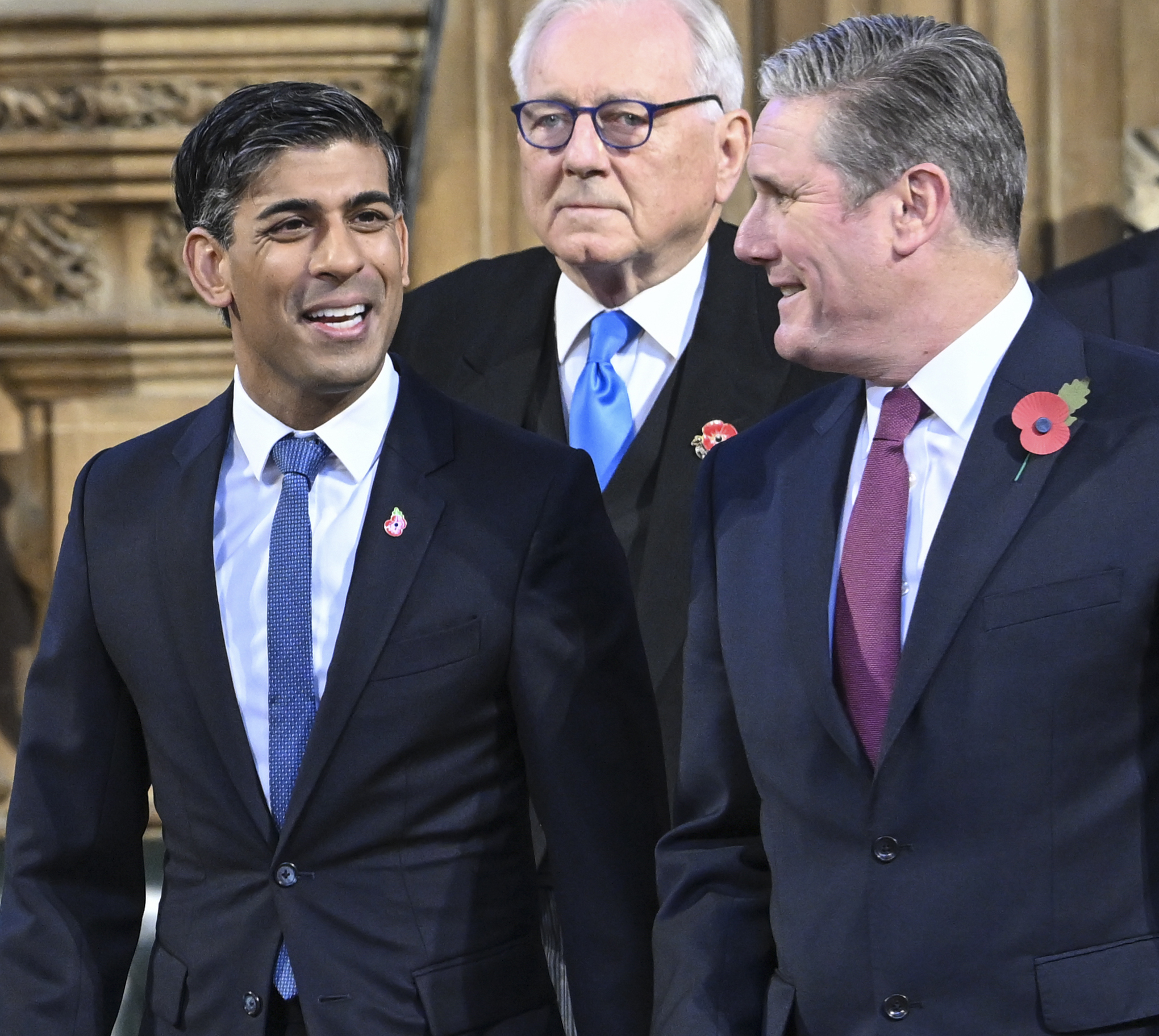
UK Prime Minister Keir Starmer is fighting to retain his position as Labour leader amid mounting internal pressure and a potential leadership challenge.
The struggle for control of the party threatens the stability of the British government and may force a shift in the administration's policy direction. This instability comes as Starmer attempts to maintain authority over a fractured party base.
Internal dissent has intensified this week following a series of local elections. While some reports indicate the pressure stems from the resignation of a main rival who accused the Prime Minister of political drift [1], other accounts link the crisis to poor results in the recent local contests [2]. These combined factors have led dozens of Labour lawmakers to call for Starmer's resignation [3].
Starmer has responded by pledging to bring Britain closer to Europe to stabilize his standing [4]. He said, "I will face up to the big challenges and restore hope to the country" [4].
Despite these efforts, speculation of a formal leadership contest continues to circulate within Westminster. The tension is compounded by accusations of poor performance and a lack of clear political direction. One ally of Starmer said Wes Streeting "absolutely bottled it" [5].
Starmer's ability to survive this challenge depends on his capacity to unify the party and demonstrate a clear path toward electoral success. The current atmosphere in London suggests a deepening divide between the Prime Minister's inner circle, and the broader parliamentary party.
“"I will face up to the big challenges and restore hope to the country."”
The convergence of poor local election results and high-level resignations creates a vulnerability that rivals within the Labour Party may exploit. If Starmer cannot quell the calls for his resignation, the UK could face a period of leadership instability that would hinder the government's ability to implement long-term legislative goals or negotiate new terms with European partners.


