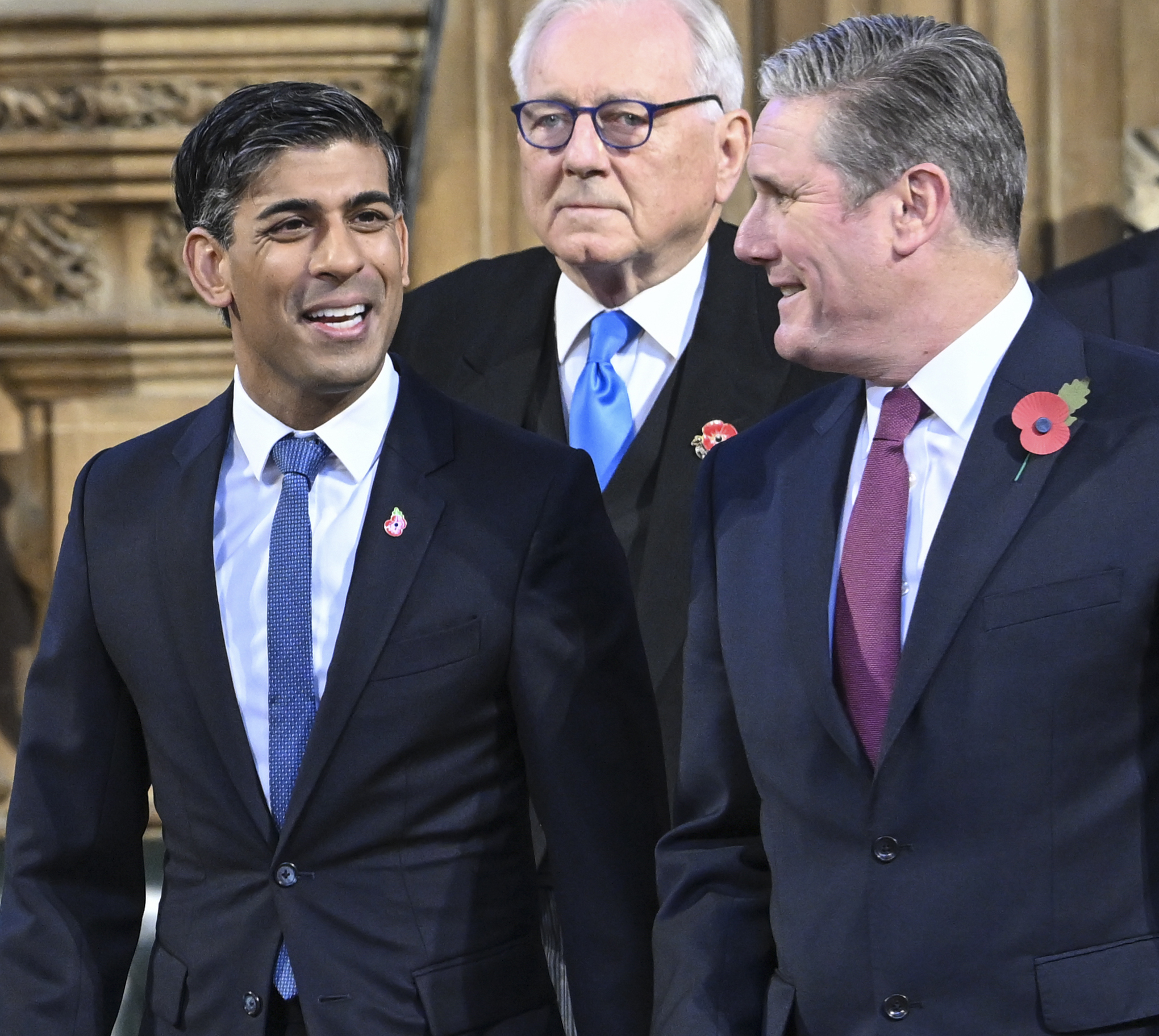
British Prime Minister Keir Starmer faces mounting pressure and speculation that his leadership is doomed following heavy losses in recent local elections [1, 2, 3].
The instability threatens the stability of the UK government as internal party rivals begin to circle the Prime Minister. A failure to maintain control over the Labour Party could lead to a leadership challenge and a shift in the country's political direction [2, 3].
The crisis follows a series of municipal election results where the Labour Party was trounced [1]. These losses included a victory for far-right candidates, signaling a significant shift in voter sentiment that has left the administration vulnerable [1, 3].
Internal turmoil has intensified as key cabinet members have resigned from their positions [1, 2]. This exodus of senior officials has fueled perceptions that Starmer has lost the confidence of his own ministers, a critical blow to any prime minister's authority [2].
Analysts suggest the Prime Minister is now fighting a battle for survival. Some observers believe the current political climate makes it unlikely that he will remain in office through the end of the year [2].
Steve Price of Sky News Australia said Keir Starmer’s future as prime minister "appears to be doomed" [4].
The Prime Minister's office has not yet announced a formal strategy to address the resignations or the electoral losses. However, the combination of poor polling and internal dissent has created a precarious environment for the current leadership [1, 2].
“Keir Starmer’s future as prime minister “appears to be doomed”.”
The collapse of local support for the Labour Party combined with high-level cabinet departures suggests a systemic failure in Starmer's current strategy. If the party cannot reconcile its internal divisions or address the rise of far-right influence in municipal areas, the UK may face a leadership transition mid-term, potentially altering the government's legislative priorities and its standing on the international stage.


