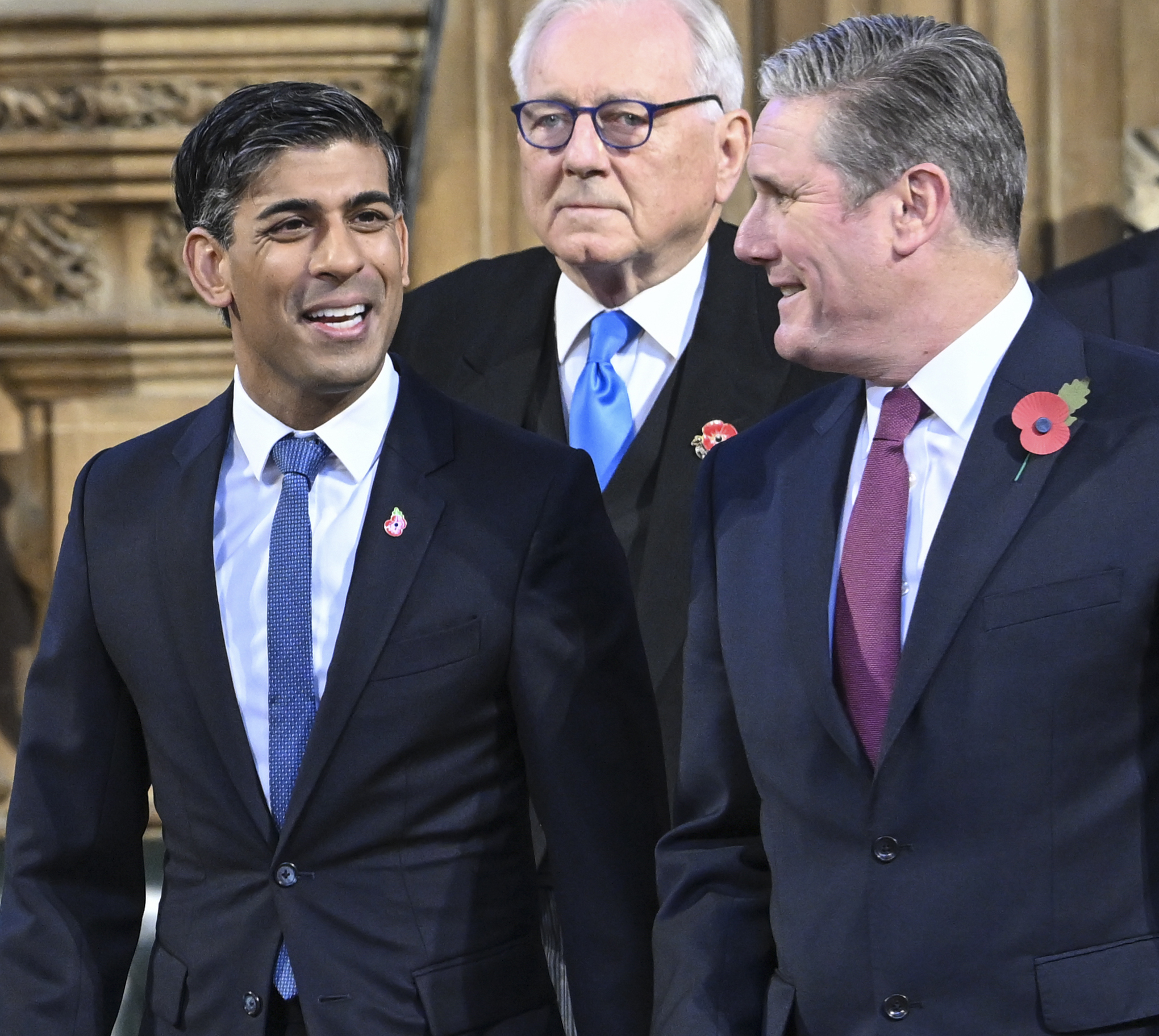
British Prime Minister Keir Starmer is facing intensified pressure to resign as critics claim his political influence has vanished [1, 2].
The erosion of Starmer's standing threatens his ability to lead the government and maintain party discipline during a period of heightened political instability.
Commentators suggest the Prime Minister's political capital disappeared months ago [3, 4, 5]. This decline follows a series of poor performances in local elections held in early May 2024 [1, 4]. The results have fueled internal party friction, and increased public dissatisfaction with his leadership [1, 6].
Critics argue that Starmer has prioritized personal survival over effective governance. Kemi Badenoch said that Sir Keir Starmer has "squandered" his political capital "saving his own skin" [6]. This sentiment points to controversial decisions, including the Prime Minister's handling of the Mandelson affair, which some say has damaged his credibility within his own party [6].
Alexander Armstrong said that Starmer's political capital was "gone months ago" [3]. The perception that the Prime Minister is fighting for political survival has grown as calls for his resignation increase across the British political arena [1, 6].
While the Prime Minister continues to hold office, the combination of electoral losses and internal disputes has left him with limited leverage to enact major policy shifts. The current atmosphere in Westminster reflects a leader struggling to reconcile his strategic goals with a fading base of support [1, 6].
“Keir Starmer’s political capital was ‘gone months ago’”
The perceived loss of political capital indicates a breakdown in the mandate required for a Prime Minister to pass legislation and manage party loyalty. When a leader is viewed as focusing on personal survival rather than national governance, it often precedes a formal leadership challenge or a strategic shift in party direction to avoid further electoral losses.


