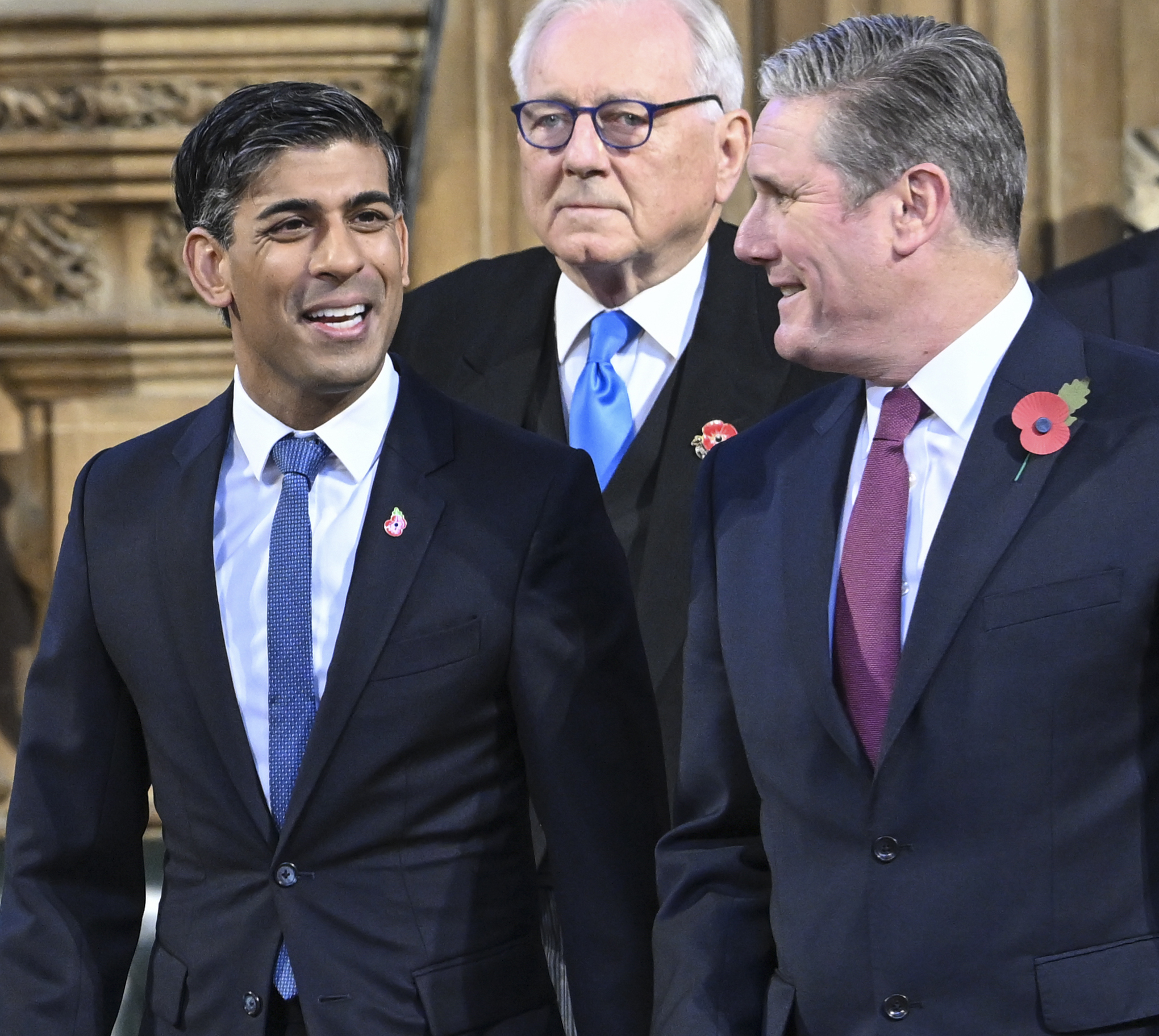
UK Prime Minister Keir Starmer (Labour) said to his party's lawmakers that he will not resign from his position [1], [2].
The decision comes amid intensifying internal pressure following losses in recent local elections. This refusal to step down signals a determination to maintain leadership stability despite a growing rift between the Prime Minister and his parliamentary colleagues.
Starmer addressed the lawmakers during a meeting held at the Labour Party headquarters in London [1], [2]. The gathering took place on the Friday following the local elections in April 2024 [2]. During the session, Starmer said that he intends to remain in his role to lead the party forward.
The Prime Minister's stance follows a period of significant volatility within the party. Reports indicate that 81 Labour MPs have called for his resignation [1]. These lawmakers cited the election results as evidence that a change in leadership is necessary to secure future national victories.
Despite the number of dissenting voices, Starmer has not yielded to the demands for his departure. The tension within the party headquarters highlights the struggle between those who believe in his strategic direction, and those who view the local election losses as a referendum on his leadership [1], [2].
Labour officials have not provided further details on how the Prime Minister intends to address the concerns of the 81 lawmakers who sought his removal [1]. The meeting in London was intended to stabilize the party's internal dynamics, though the refusal to resign may leave the internal divide unresolved.
“Keir Starmer (Labour) told his party's lawmakers that he will not resign from his position.”
The refusal of Keir Starmer to resign despite a significant bloc of 81 MPs seeking his departure suggests a high-stakes gamble on his own authority. By ignoring the internal call for a leadership change after the April 2024 local elections, Starmer is prioritizing a unified front against the opposition over immediate party harmony. However, this may deepen the divide within the Labour Party, potentially complicating the party's coordination and messaging ahead of future electoral cycles.
'%2F%3E%0A%20%20%20%20%3Crect%20width%3D'1600'%20height%3D'900'%20fill%3D'url(%23v)'%2F%3E%0A%20%20%20%20%3Cg%20opacity%3D'0.08'%20fill%3D'%23ffffff'%3E%0A%20%20%20%20%20%20%3Ccircle%20cx%3D'1420'%20cy%3D'180'%20r%3D'220'%2F%3E%0A%20%20%20%20%20%20%3Ccircle%20cx%3D'1500'%20cy%3D'760'%20r%3D'120'%2F%3E%0A%20%20%20%20%3C%2Fg%3E%0A%20%20%20%20%3Cline%20x1%3D'80'%20y1%3D'172'%20x2%3D'220'%20y2%3D'172'%20stroke%3D'%23ffffff'%20stroke-width%3D'3'%20stroke-opacity%3D'0.6'%2F%3E%0A%20%20%20%20%3Ctext%20x%3D'80'%20y%3D'140'%20font-family%3D'Inter%2C%20-apple-system%2C%20Helvetica%2C%20sans-serif'%20font-weight%3D'700'%20font-size%3D'28'%20fill%3D'%23ffffff'%20letter-spacing%3D'6'%3EHANNA%20%C2%B7%20NEWS%3C%2Ftext%3E%0A%20%20%20%20%3Ctext%20x%3D'80'%20y%3D'230'%20font-family%3D'Inter%2C%20-apple-system%2C%20Helvetica%2C%20sans-serif'%20font-weight%3D'600'%20font-size%3D'40'%20fill%3D'%23ffffffb3'%20letter-spacing%3D'4'%3EWORLD%3C%2Ftext%3E%0A%20%20%20%20%3Ctext%20x%3D'80'%20y%3D'694'%20font-family%3D'Playfair%20Display%2C%20Georgia%2C%20serif'%20font-weight%3D'800'%20font-size%3D'110'%20fill%3D'%23ffffff'%20letter-spacing%3D'-1'%3EBurkina%20Faso%20Severs%3C%2Ftext%3E%3Ctext%20x%3D'80'%20y%3D'820'%20font-family%3D'Playfair%20Display%2C%20Georgia%2C%20serif'%20font-weight%3D'800'%20font-size%3D'110'%20fill%3D'%23ffffff'%20letter-spacing%3D'-1'%3EDiplomatic%20Ties%20With%20France%3C%2Ftext%3E%0A%20%20%20%20%3Ctext%20x%3D'80'%20y%3D'870'%20font-family%3D'Inter%2C%20-apple-system%2C%20Helvetica%2C%20sans-serif'%20font-weight%3D'500'%20font-size%3D'22'%20fill%3D'%23ffffff66'%20letter-spacing%3D'2'%3Enews.hanna-ai.com%3C%2Ftext%3E%0A%20%20%3C%2Fsvg%3E)

