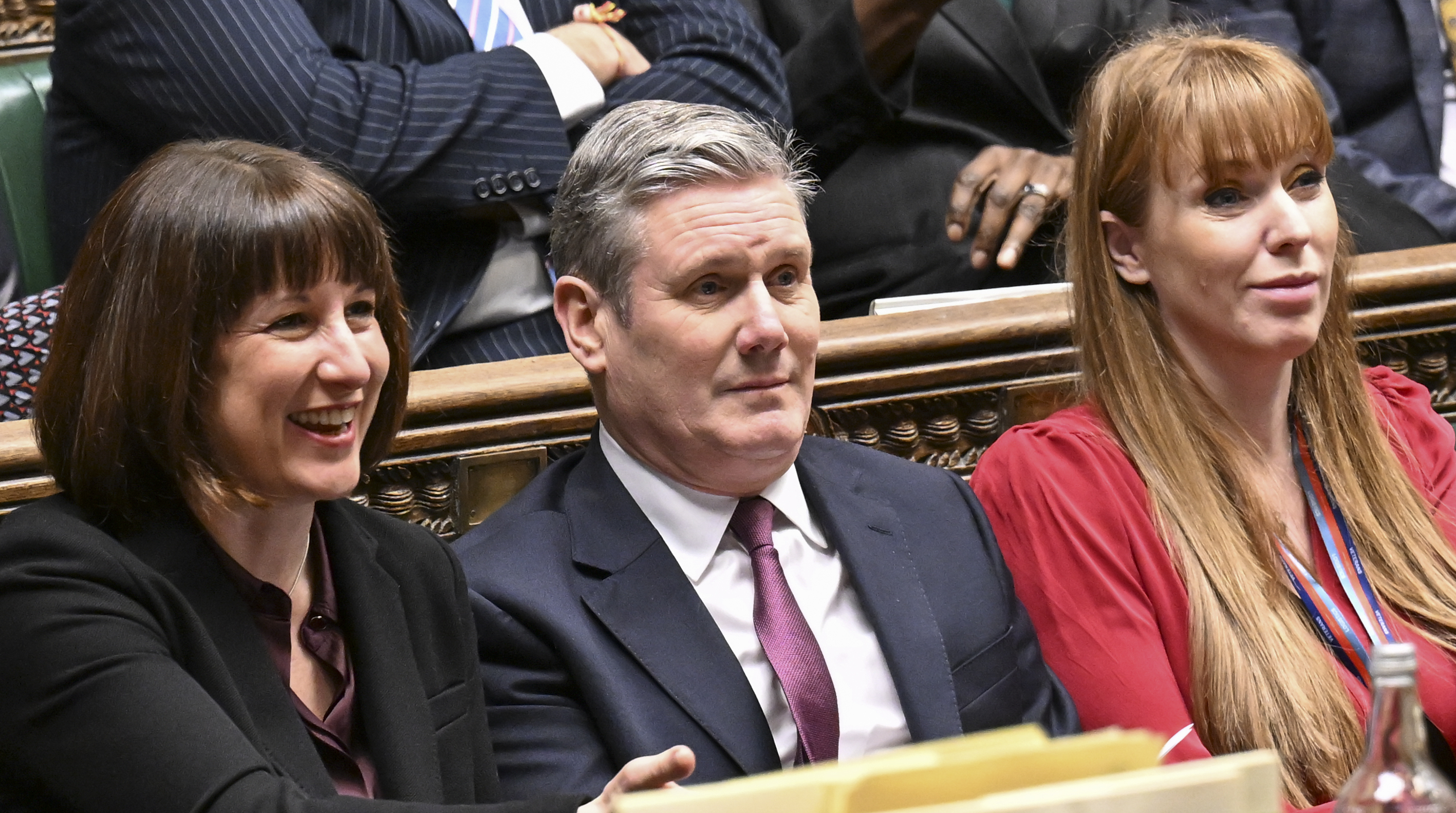
UK Prime Minister Keir Starmer said he will not resign or walk away from his mandate following recent local election losses [1].
The declaration comes as Starmer faces a mounting rebellion within the Labour Party. The internal pressure follows significant defeats in local elections held the week prior to his announcement [1, 3].
Speaking to members of Parliament in the House of Commons in London on May 11, 2026, Starmer addressed the calls for his departure [1, 2]. He said that he intends to remain in power and lead the party through the upcoming political cycle [1, 3].
"I will not walk away from my mandate. I will prove doubters wrong," Starmer said [1].
The Prime Minister is now positioning himself to lead the Labour Party to the next general election in 2029 [4]. This stance serves as a direct response to critics within his own ranks who suggested that the recent electoral setbacks necessitated a change in leadership [1, 3].
Starmer previously told the BBC, "I am not prepared to walk away from my mandate" [2]. The refusal to step down signals a strategy of endurance despite the volatility of the current political climate in the United Kingdom [1, 2].
By asserting his authority in the House of Commons, Starmer aims to stabilize his position and quell the dissent of party members who fear the current trajectory could harm the party's long-term prospects [1, 3].
“"I will not walk away from my mandate. I will prove doubters wrong."”
Starmer's refusal to resign represents a high-stakes gamble on his own leadership. By ignoring internal calls for a transition, he is attempting to project stability to the electorate, but he risks further alienating his party base if the Labour Party cannot reverse its losses before the 2029 general election.


