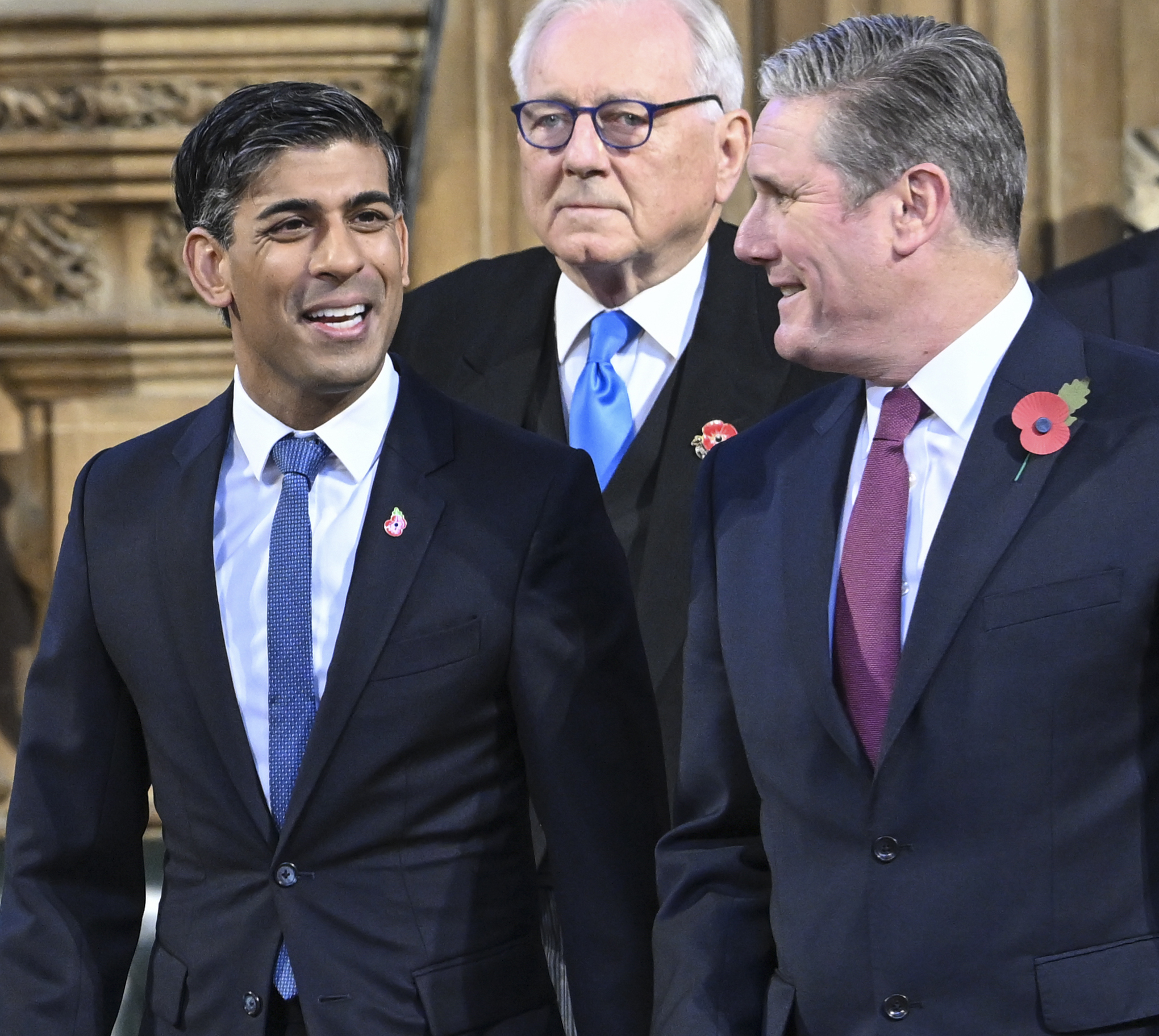
UK Prime Minister Keir Starmer said Tuesday he will not step down and intends to continue governing despite several ministerial resignations.
The refusal comes as the Labour government faces a crisis of confidence following poor performance in local elections held last week. The departures signal a growing rift within the party regarding Starmer's leadership and specific policy failures, including the handling of online harms.
At least four Labour ministers have resigned [1]. Among those leaving the government are Safeguarding Minister Jess Phillips and Victims Minister Alex Davies-Jones. Phillips cited "catastrophic mistakes" [2] regarding the administration's direction. She also said, "Deeds, not words matter" [3].
Other reports indicate that two of the resigning officials were junior ministers [4]. The wave of departures follows a period of intense internal pressure. More than 80 Labour MPs have publicly called for Starmer to resign [5].
Despite the opposition, Starmer maintains a significant base of support within his party. More than 100 Labour MPs have signed a statement backing the prime minister [6]. This division suggests a party split between those who view the local election results as a mandate for change, and those who see them as a personal failure of the leader.
Starmer addressed the turmoil briefly, focusing on the continuity of government operations. "I will get on with governing," he said [7].
“"I will get on with governing."”
The simultaneous pressure from both the ministerial level and the backbench suggests a systemic challenge to Starmer's authority. While the support of 100 MPs provides a mathematical shield against an immediate leadership challenge, the loss of key ministers like Phillips and Davies-Jones indicates a breakdown in trust over policy execution. The stability of the UK government now depends on whether Starmer can pivot his policy approach to satisfy the dissenting wing of the Labour Party without alienating his remaining supporters.


