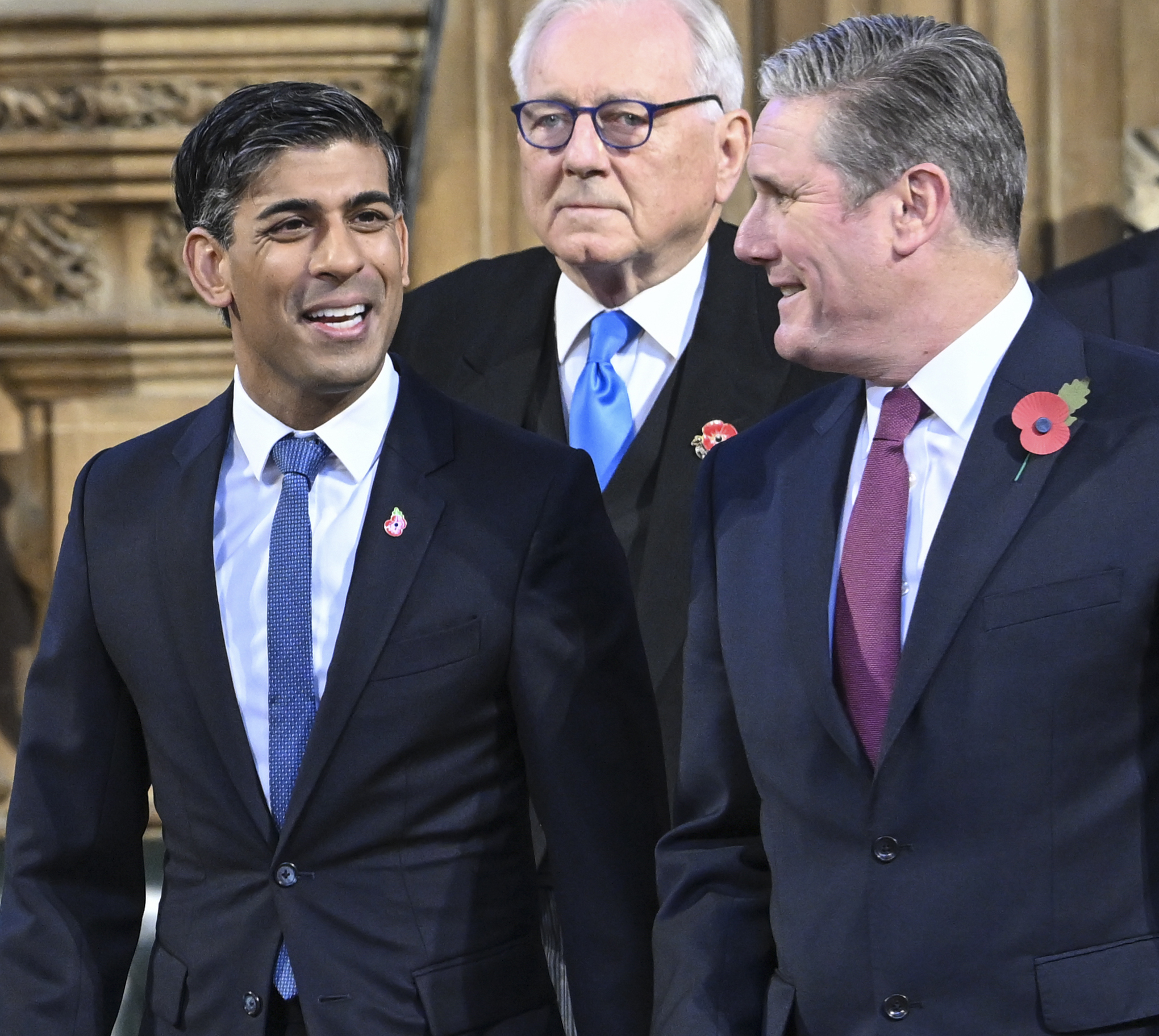
Prime Minister Keir Starmer announced his resignation on Monday, June 22, 2026, following a rebellion from within his own party [2].
The departure of the UK's top leader creates an immediate power vacuum in Westminster and signals a potential shift in the Labour Party's direction.
Starmer's exit follows mounting pressure from his members of parliament. "I have decided to resign as Prime Minister," Starmer said [2]. The resignation marks the end of his tenure after facing significant internal opposition from his own MPs [3].
As the party looks toward a successor, Greater Manchester Mayor Andy Burnham has emerged as the frontrunner. John McTernan, a former strategist for Tony Blair, said that Burnham possesses the support of nearly 300 MPs [1]. This level of backing suggests a consolidated base of power within the party ranks [1].
McTernan said that the internal competition for the leadership may be short-lived given Burnham's current standing. "I think it will be Andy Burnham, because I think he has the backing of nearly 300 MP’s," McTernan said [1].
The strategist said that other potential candidates may find it futile to enter the race against the mayor. "There really is no point in putting yourself forward to be crushed by Burnham," McTernan said [1].
Burnham's perceived strength as a candidate comes amid the instability caused by the rebellion that forced Starmer out [3]. The Labour Party must now navigate the formal process of selecting a new leader to head the government in London.
“"I have decided to resign as Prime Minister."”
The resignation of Keir Starmer, triggered by internal party rebellion, leaves the Labour Party in a position of transition. If Andy Burnham secures the leadership with the reported support of nearly 300 MPs, it suggests a move toward a leader who has already consolidated significant legislative backing, potentially avoiding a prolonged and divisive leadership contest.