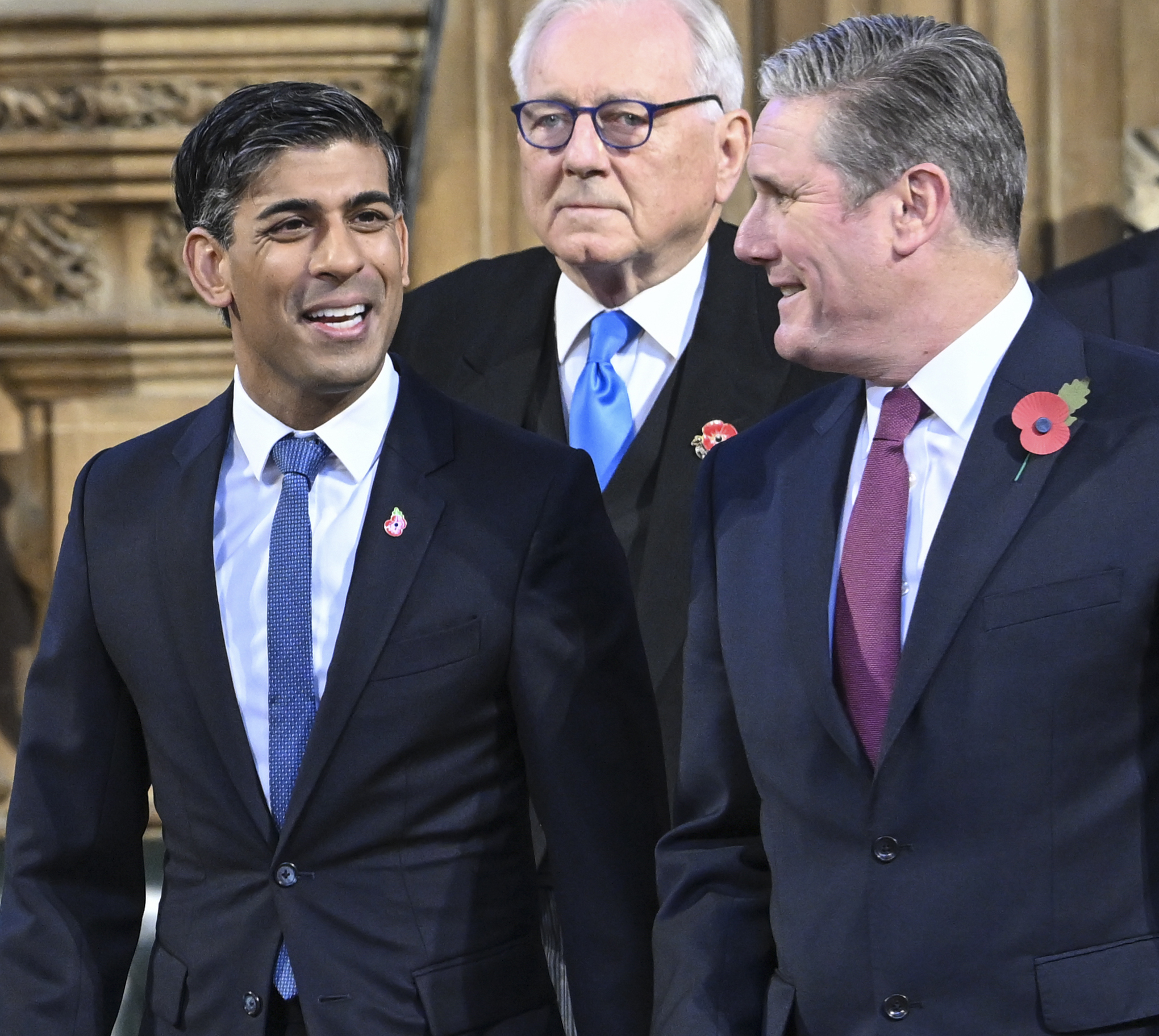
UK Prime Minister Keir Starmer is expected to announce his resignation and a departure timetable on Monday, June 22, 2026 [1].
The potential exit of the Prime Minister signals a significant shift in the Labour Party's direction. This development follows a period of internal instability and growing dissatisfaction among senior ministers and members of parliament.
Reports indicate that Starmer will make the announcement from No. 10 Downing Street [2]. The move comes amid intensifying pressure from within his own party, as a growing number of Labour MPs have expressed support for a leadership change [3].
Much of this momentum is attributed to Andy Burnham, who recently secured a by-election victory in Makerfield [4]. Burnham has positioned himself as a challenger, suggesting that the Labour Party has a final opportunity to change its current trajectory [5].
Starmer's decision to set an exit timeline suggests that the internal opposition has reached a critical mass. The Prime Minister has faced calls to step down as rivals argue for a new strategic direction for the government [3], [5].
While the specific date of the final handover remains unconfirmed, the expected announcement on June 22, 2026 [1], is intended to provide a structured transition of power. The party now looks toward a leadership contest to determine who will succeed Starmer as Prime Minister [3].
“Keir Starmer is expected to announce his resignation as Prime Minister and set out a timetable for his departure.”
The expected resignation of Keir Starmer reflects a breakdown in cohesion between the Prime Minister and the parliamentary wing of the Labour Party. Andy Burnham's by-election success has provided a catalyst for critics to challenge Starmer's leadership, shifting the party's internal power dynamics. This transition likely signals a move toward a different ideological or strategic approach to governing the UK.


