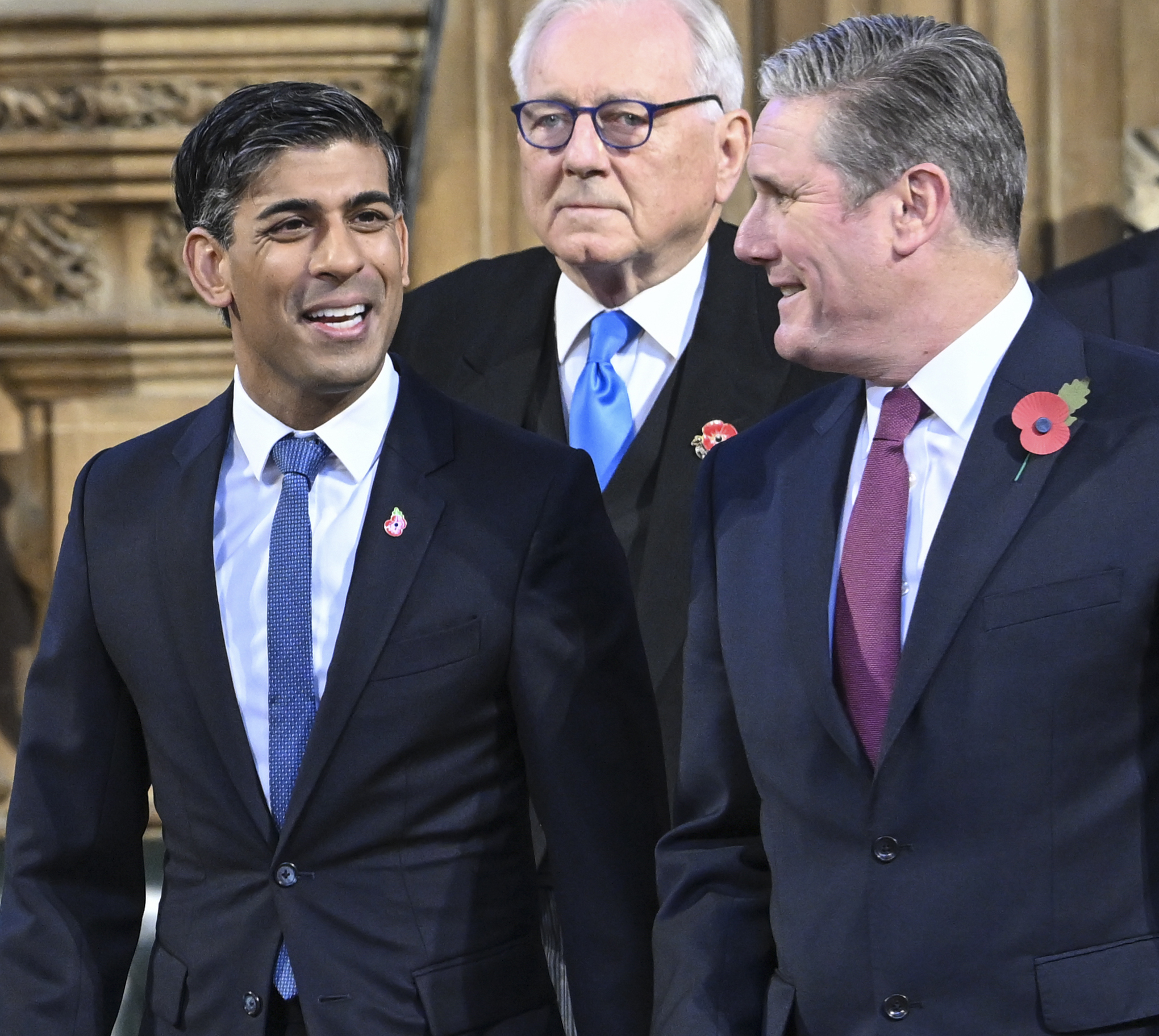
UK Prime Minister Keir Starmer is facing mounting pressure to resign following disastrous local-election results for the Labour Party [1, 5].
The crisis threatens the stability of the government as internal criticism grows over strategic mistakes. The demand for a leadership change suggests a widening rift between the Prime Minister and his own parliamentary party.
During a live session in Westminster on Monday, Starmer addressed the turmoil. "Of course, like every government, we've made mistakes," Starmer said [4].
Despite the address, high-ranking officials are calling for his departure. Home Secretary Shabana Mahmood said, "I think we need to set out a clear timetable for the transition of power" [2].
The scale of the rebellion is evident in the numbers. Between 72 [1] and 75 [3] out of 403 Labour MPs are urging Starmer to resign immediately. Additionally, more than 70 [1] MPs have called for a specific resignation timetable.
This internal volatility follows a series of departures from the administration. Three government aides have already resigned [6].
The pressure follows a period of intense scrutiny over the party's performance in recent local contests. Party members have increasingly demanded a change in leadership to prevent further electoral decline [5].
Starmer's attempt to maintain control during Monday's cabinet meeting and speech was viewed by some as a fight for his political future [7]. The looming cabinet showdown indicates that the Prime Minister may no longer command the full confidence of his senior ministers.
“"Of course, like every government, we've made mistakes."”
The demand for a 'transition of power' from the Home Secretary indicates that the challenge to Starmer's leadership has moved beyond backbench rebellion into the inner cabinet. With nearly 20% of Labour MPs explicitly calling for a resignation, the Prime Minister faces a mathematical and political struggle to maintain authority without significant concessions or a rapid shift in policy.


