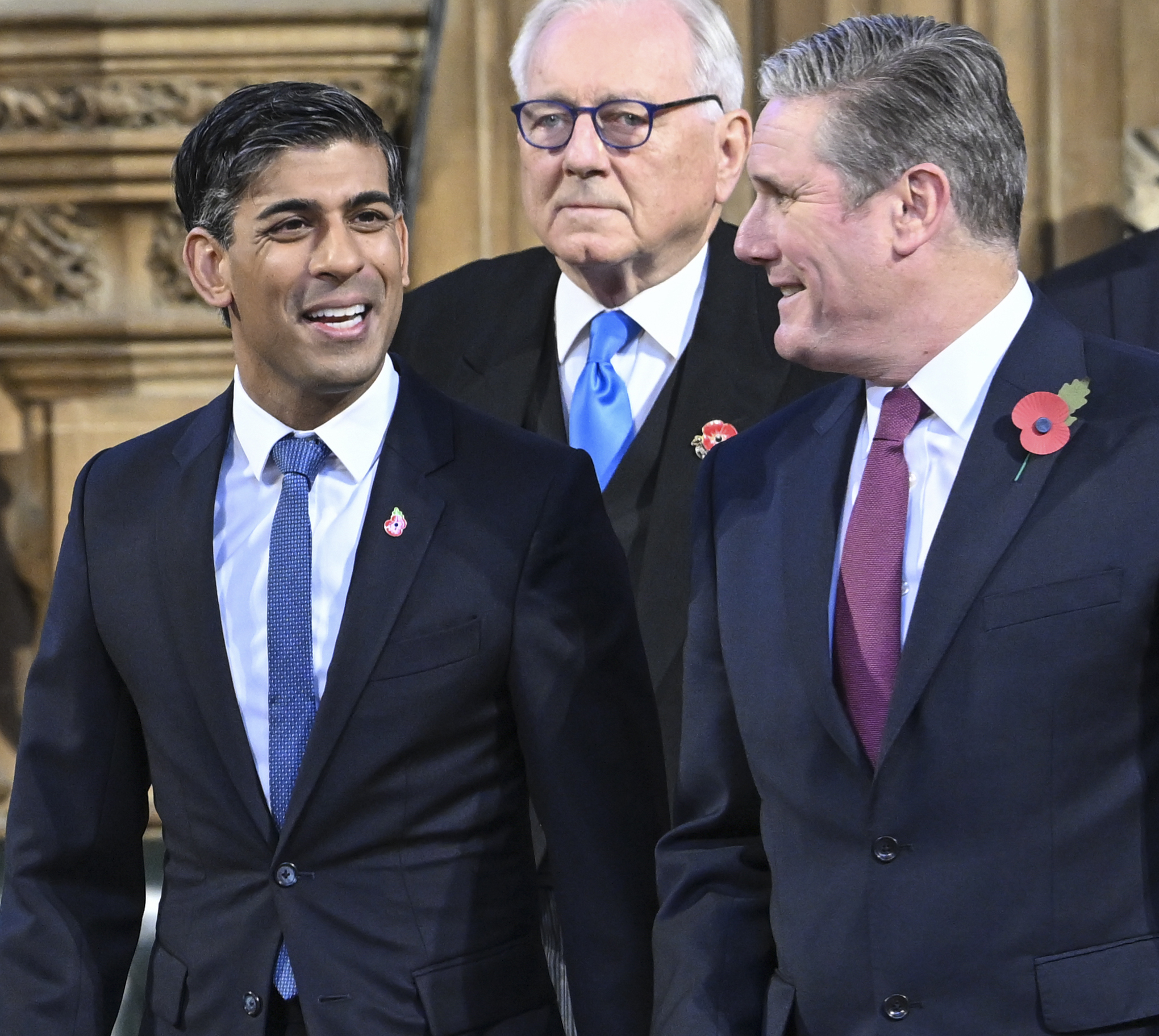
UK Prime Minister Keir Starmer is refusing to resign despite pressure from colleagues within the Labour Party [1].
The standoff represents a critical moment for the UK government as internal party dissent threatens the stability of Starmer's leadership. If the Prime Minister cannot reconcile with his party, he faces a potential leadership challenge that could destabilize national policy and governance.
Labour colleagues have reportedly urged Starmer to stand down, though the Prime Minister has maintained his position [1]. The internal friction suggests a growing divide between the leadership's strategy and the expectations of party members.
Darren Grimes, a councillor with Reform UK, said the situation during a video interview with Sky News Australia. Grimes characterized the Prime Minister's refusal to exit his role as an attempt to hold onto power in the hope that circumstances will improve [1].
"He wants to cling on; he wants to hope things get better," Grimes said. "It’s just sheer desperation" [1].
The tension in London continues to mount as the Prime Minister navigates these demands from his own party. While the Labour party has not issued a formal collective statement on the resignation requests, the reports of internal pressure indicate a volatile political environment [1].
Starmer has not provided a public rebuttal to the specific claims of desperation made by Grimes, but his continued presence in office confirms his intent to remain in power despite the calls for his departure [1].
“Keir Starmer is refusing to resign despite pressure from colleagues within the Labour Party.”
The refusal of a Prime Minister to resign in the face of party pressure typically signals a high-stakes gamble on political survival. In the UK parliamentary system, a leader's power is contingent upon the support of their party; should Starmer lose a formal vote of confidence or face a coordinated rebellion, the government could collapse, leading to a leadership contest or a general election.


