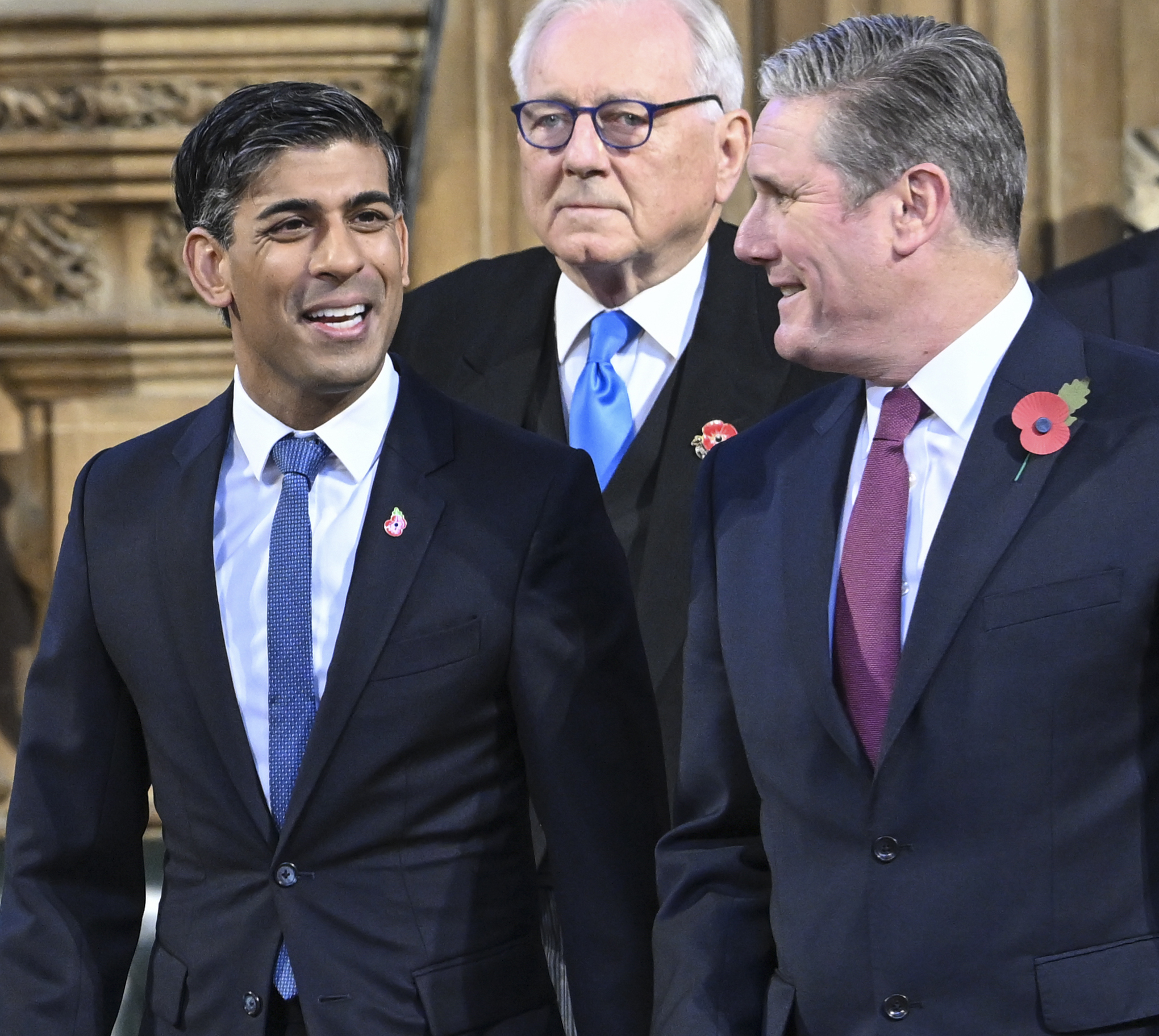
British Prime Minister Keir Starmer is facing mounting pressure to resign from cabinet ministers and fellow Labour Party lawmakers following major electoral losses.
The crisis threatens the stability of the UK government as internal dissent grows. If Starmer cannot quell the rebellion within his own party, he may face a formal leadership challenge that could trigger a change in government.
The turmoil follows a series of defeats, beginning with the local elections on June 7, 2026 [4]. The Labour Party suffered a significant loss in those contests, which sparked widespread distrust in Starmer's leadership both inside and outside the party.
Pressure intensified further following a House of Commons by-election on June 18, 2026 [3], where a candidate named Burnham was elected. This result served as a catalyst for lawmakers to demand a clear timeline for the prime minister's departure.
Internal opposition has reached a critical mass. Some reports indicate that dozens of lawmakers are seeking a resignation schedule [2], while other reports state that more than 80 Labour lawmakers have demanded his resignation [1].
The dissatisfaction has reached the highest levels of the administration. On June 14, the UK Health Secretary said the prime minister had "lost trust" [2].
Despite the internal revolt, Starmer has refused to step down. He said he is prepared to face any challenge and has no intention of resigning [0].
“"I am prepared to face any challenge and have no intention of resigning."”
The convergence of local election failures and a poor by-election result has stripped Starmer of his political capital. By losing the confidence of both his cabinet and a significant bloc of his parliamentary party, the Prime Minister is now fighting a war of attrition for his own survival, shifting the government's focus from policy implementation to internal power struggles.