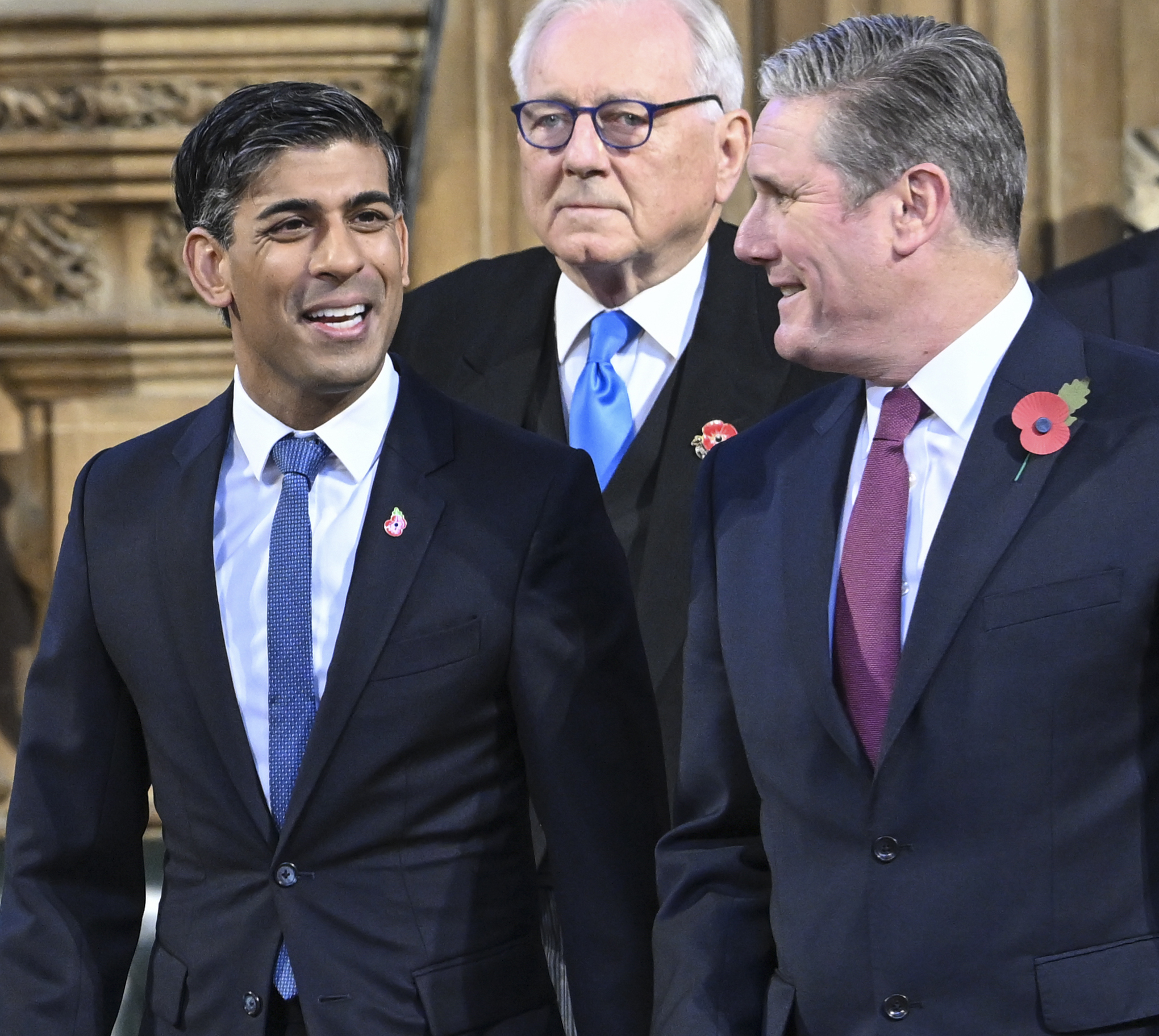
UK Prime Minister Keir Starmer is facing pressure to resign from senior members of his own party [1].
A leadership vacuum in the United Kingdom could destabilize the government and trigger a rapid internal power struggle within the Labour Party. The current instability follows a series of political setbacks that have eroded Starmer's authority among his colleagues.
Pressure on the Prime Minister rose on Friday, June 20 [2]. This surge in dissent followed a by-election victory by Andy Burnham in Makerfield, which created new political realities that now threaten Starmer's leadership [3].
Internal opposition has grown, with approximately 100 Labour MPs calling for Starmer to quit [4]. Some reports indicate that the Prime Minister is close to stepping down [1], while other accounts suggest he has publicly vowed to stay in the fight [5].
Government officials have confirmed that discussions regarding the leadership are occurring. An unnamed cabinet minister said, "I had a frank conversation with the Prime Minister as he considers his future" [6].
Another unnamed UK minister said that Starmer is weighing the political realities and the pressure from within the party [7]. These internal tensions have reached a critical point, leading to expectations that a formal resignation could occur on Monday, June 22 [8].
The current crisis reflects a divide between the Prime Minister's public resolve and the private demands of his parliamentary base. While Starmer has attempted to maintain his position, the volume of dissent from within the Labour ranks has made his continued tenure tenuous.
“Starmer is weighing the political realities and the pressure from within the party.”
The potential resignation of Keir Starmer would signal a significant shift in the Labour Party's direction. The influence of figures like Andy Burnham, combined with a substantial bloc of dissenting MPs, suggests that the party is seeking a leader capable of consolidating power after the Makerfield result. A change in leadership this abrupt would likely force the party to undergo a rapid selection process to avoid a prolonged period of government instability.


