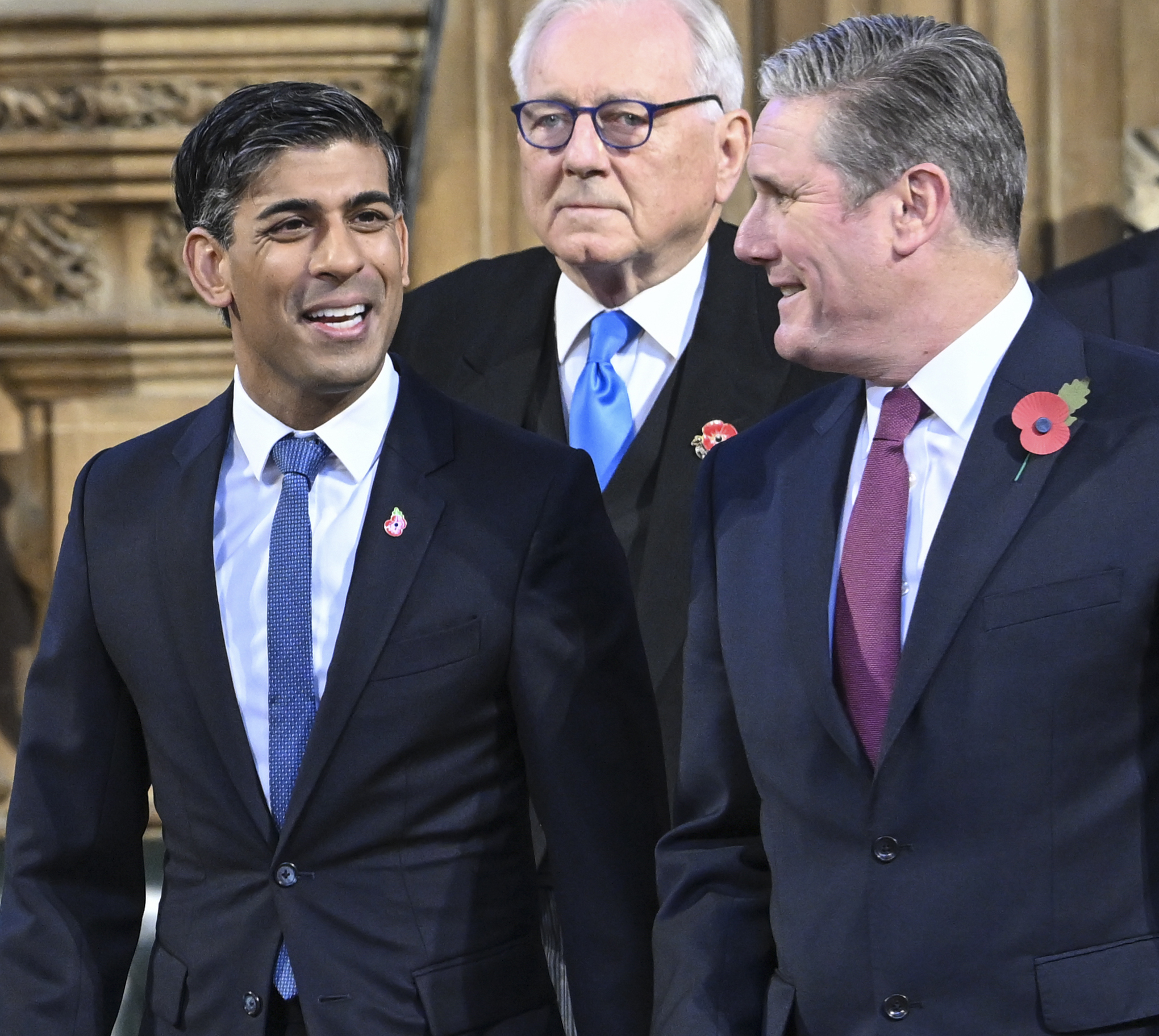
Prime Minister Keir Starmer said Monday that he will resign as the leader of the United Kingdom and the Labour Party [1, 2].
The departure of the UK's top executive signals a period of significant instability for the governing party following a series of internal challenges. The transition occurs as the Labour Party seeks to reconcile ideological divisions and maintain its grip on power.
Starmer said he will remain as caretaker prime minister until a successor is chosen [3]. This transition period is expected to last for the next few weeks [3]. Other reports indicate that the process of selecting a new leader may extend further, with a successor potentially in place by the time Parliament returns in September [1].
The decision follows a period of intense pressure from within his own party. Starmer faced rebellion from his own MPs and internal challenges that culminated in Andy Burnham's recent victory in a Labour leadership contest [4, 5].
While the exact timeline for his departure varies by report, some sources said he will leave office within weeks of the announcement [2]. The Prime Minister's announcement in London marks the end of his tenure as the head of the government [1, 6].
Labour officials have not yet detailed the specific mechanism for the leadership transition, but the party must now navigate a selection process that avoids further fracturing the legislative bloc. The caretaker period is intended to ensure government continuity while the party identifies a leader capable of unifying the MPs [3].
“Starmer announced Monday that he will resign as the leader of the United Kingdom and the Labour Party”
The resignation of Keir Starmer reflects a breakdown in party discipline and a shift in power dynamics within the Labour Party. By stepping down after internal challenges and Andy Burnham's leadership success, Starmer acknowledges that he no longer commands the necessary support of his MPs to govern effectively. The timeline for a successor—ranging from a few weeks to September—suggests a precarious transition that could either stabilize the government or lead to further leadership volatility before the next parliamentary session.


