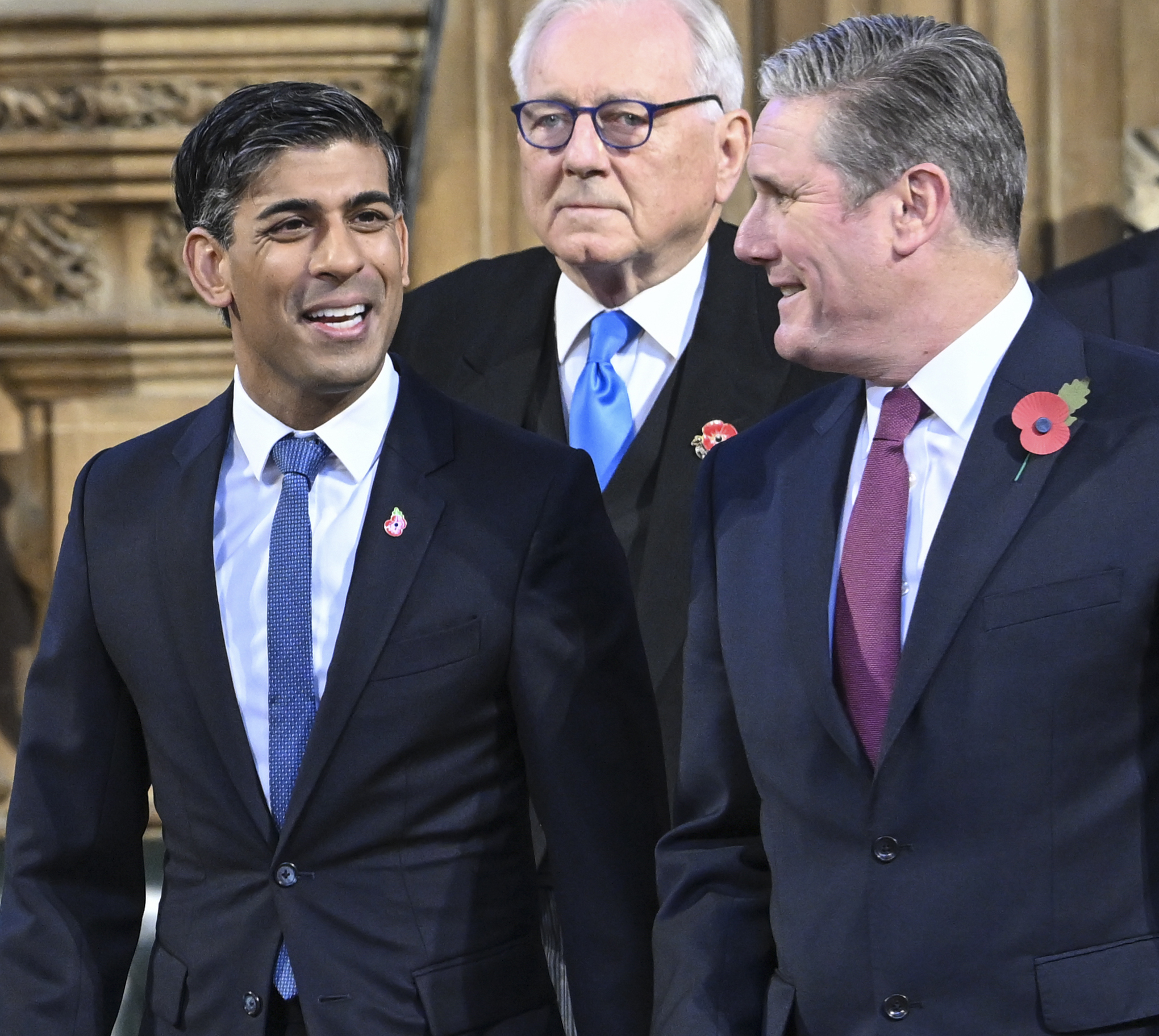
Prime Minister Keir Starmer announced his resignation as the leader of the United Kingdom on Monday, June 22, 2026.
The resignation signals a period of significant political instability for the UK government. It follows a series of internal challenges that have weakened the prime minister's authority over his own party.
Starmer's departure comes as a result of mounting pressure from within his own governing party [2]. While the specific catalyst for the final decision was not detailed in the announcement, the internal friction had become an unsustainable hurdle for his administration.
This leadership change continues a volatile trend in British politics. The UK will now have its sixth prime minister in seven years [2]. This rapid succession of leaders underscores the difficulty of maintaining a stable parliamentary majority, and a unified party platform, in the current political climate.
Starmer's exit leaves the governing party with the immediate task of selecting a successor. The process will likely be scrutinized by both party members and the public as they weigh candidates capable of stabilizing the government, a task that has eluded the previous five leaders in this seven-year window [2].
Starmer said the announcement during a speech on Monday, coinciding with reports of the internal party strife that led to the decision [1, 2].
“The UK will now have its sixth Prime Minister in seven years.”
The resignation of Keir Starmer highlights a systemic instability within the UK's executive leadership. By becoming the sixth Prime Minister in seven years, the current administration demonstrates a failure to establish long-term political durability, suggesting that internal party fractures are now a primary driver of national leadership changes regardless of the specific policy failures involved.