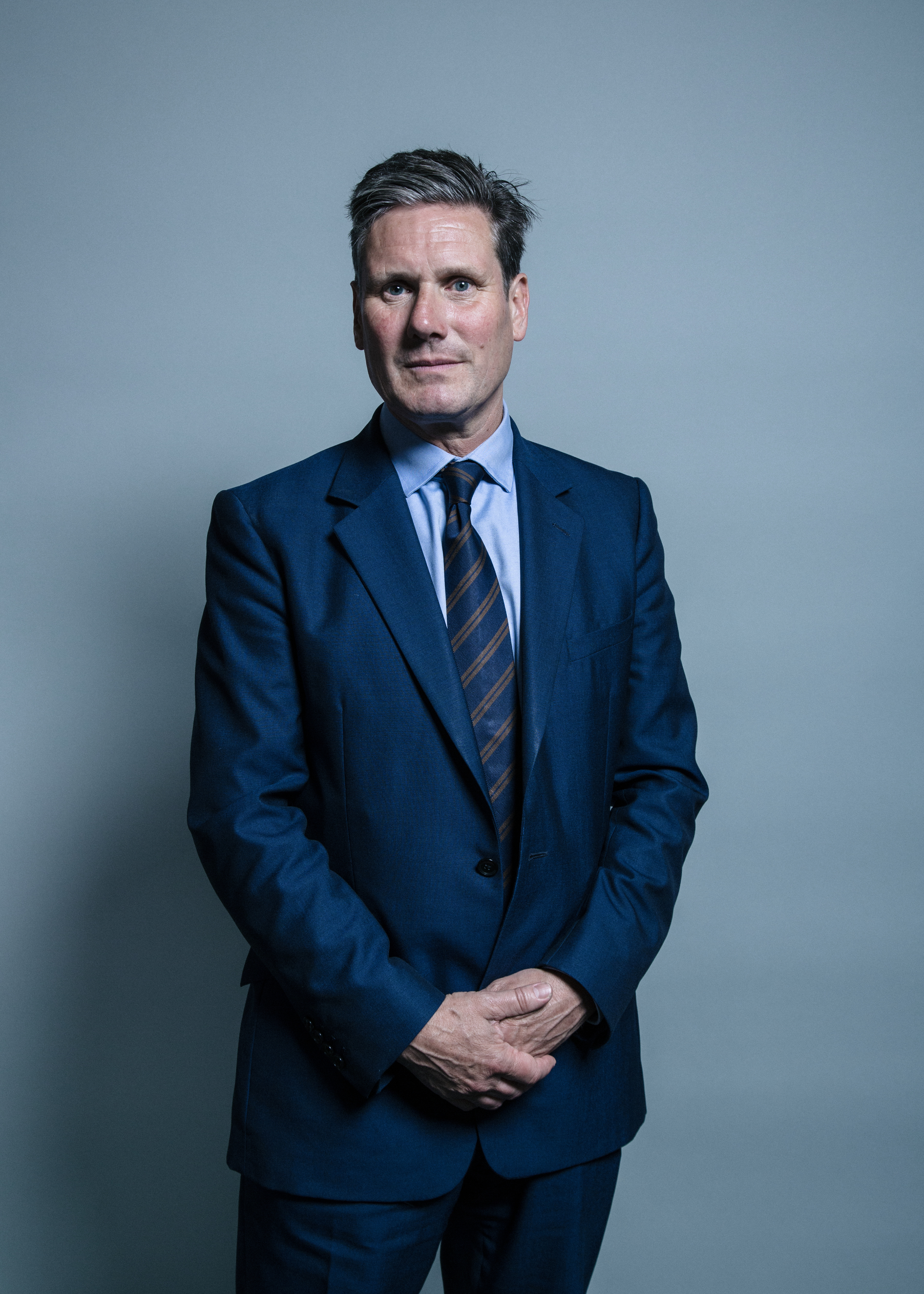
Prime Minister Keir Starmer (Labour) formally resigned on Monday, July 20, 2026, following a farewell address in London [2].
This transition marks a significant shift in leadership for the Labour Party and the United Kingdom during a period of historic political volatility. The handover occurs as the nation prepares for a new administration under Andy Burnham (Labour), who is the designated successor to the premiership [1].
Starmer delivered his final remarks to the public outside 10 Downing Street [1]. During the address, he reflected on his tenure and the goals his administration sought to achieve. He said that he felt his time in office had reached its natural conclusion.
"My work is done," Starmer said [1].
Following the announcement, Starmer prepared for a meeting at Buckingham Palace to formally conclude his term [2]. He said he felt a sense of fulfillment regarding the legacy of his government and the transitions of power.
"I go with good grace, I go with a smile and I go proud of everything that we have achieved," Starmer said [1].
Burnham is expected to officially take office shortly after the formal resignation process is completed [2]. He will become the seventh person to serve as the UK's prime minister in a 10-year span [3].
Burnham's first appearance as prime minister is expected to include a speech outlining his immediate priorities for the government [2]. The transition follows the internal processes of the Labour Party to ensure a stable transfer of executive authority.
“"My work is done."”
The rapid succession of seven prime ministers within a single decade underscores a period of intense instability within the UK's executive leadership. As Andy Burnham takes over, the focus will shift to whether a new leader from the same party can provide the long-term legislative stability that has eluded the country for 10 years.

