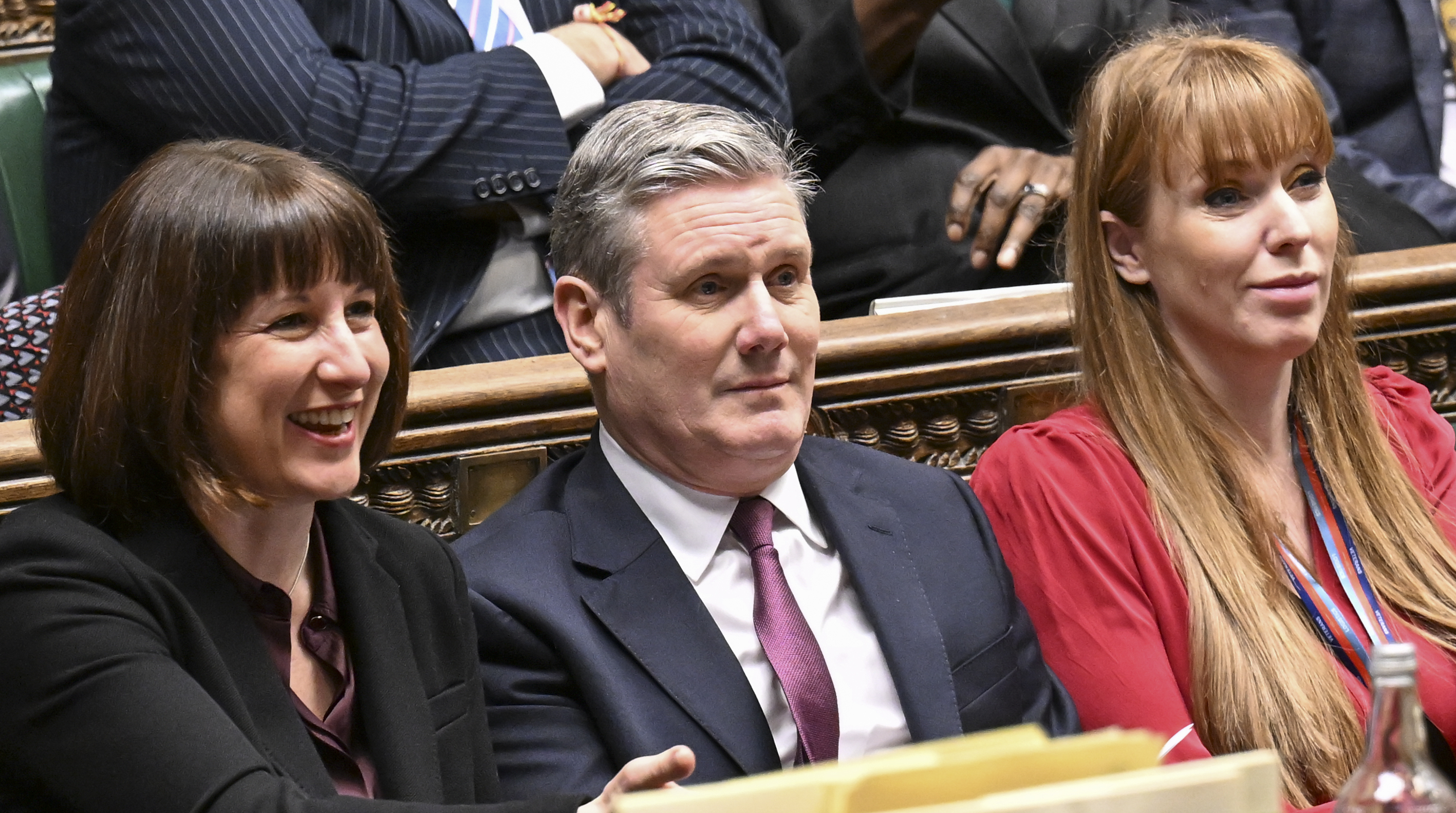
Prime Minister Keir Starmer (Labour) announced his resignation as leader of the Labour Party and Prime Minister on Monday.
The sudden departure of the UK's head of government triggers a leadership contest that will determine the direction of the country's executive power. This transition occurs as the party seeks to maintain its mandate following a landslide victory in 2024 [2].
Starmer made the announcement at Downing Street, saying that he is stepping down after just under two years in office [2]. He established a formal timetable for the selection of a successor to ensure a stable transition of power.
"Becoming Prime Minister has been the proudest moment of my life," Starmer said.
Andy Burnham (Labour), the Mayor of Greater Manchester and a newly elected MP, immediately declared his intention to seek the vacancy. Burnham, who recently won a by-election in Manchester, indicated that his victory provides a platform to lead the party.
"I will be standing as a candidate in the Labour leadership contest," Burnham said.
The process to identify the next leader will move quickly. Nominations for the new Labour leader are scheduled to open July 9, 2026 [1].
Starmer will continue to serve as Prime Minister in a caretaker capacity until the party chooses a new leader. The party intends to complete this selection before Parliament returns to session in September 2026 [3].
This move marks the first major leadership change for the Labour Party since its return to power. The party must now navigate an internal election, while managing the daily operations of the British government during the summer recess.
“"Becoming Prime Minister has been the proudest moment of my life."”
The resignation of Keir Starmer creates a power vacuum at the top of the UK government during a critical period of legislative implementation. With Andy Burnham entering the race, the contest may shift the party's internal balance between the metropolitan leadership and regional power bases. The expedited timeline to appoint a leader by September ensures that the government avoids a prolonged period of instability before the autumn parliamentary session.

'%2F%3E%0A%20%20%20%20%3Crect%20width%3D'1600'%20height%3D'900'%20fill%3D'url(%23v)'%2F%3E%0A%20%20%20%20%3Cg%20opacity%3D'0.08'%20fill%3D'%23ffffff'%3E%0A%20%20%20%20%20%20%3Ccircle%20cx%3D'1420'%20cy%3D'180'%20r%3D'220'%2F%3E%0A%20%20%20%20%20%20%3Ccircle%20cx%3D'1500'%20cy%3D'760'%20r%3D'120'%2F%3E%0A%20%20%20%20%3C%2Fg%3E%0A%20%20%20%20%3Cline%20x1%3D'80'%20y1%3D'172'%20x2%3D'220'%20y2%3D'172'%20stroke%3D'%23ffffff'%20stroke-width%3D'3'%20stroke-opacity%3D'0.6'%2F%3E%0A%20%20%20%20%3Ctext%20x%3D'80'%20y%3D'140'%20font-family%3D'Inter%2C%20-apple-system%2C%20Helvetica%2C%20sans-serif'%20font-weight%3D'700'%20font-size%3D'28'%20fill%3D'%23ffffff'%20letter-spacing%3D'6'%3EHANNA%20%C2%B7%20NEWS%3C%2Ftext%3E%0A%20%20%20%20%3Ctext%20x%3D'80'%20y%3D'230'%20font-family%3D'Inter%2C%20-apple-system%2C%20Helvetica%2C%20sans-serif'%20font-weight%3D'600'%20font-size%3D'40'%20fill%3D'%23ffffffb3'%20letter-spacing%3D'4'%3EWORLD%3C%2Ftext%3E%0A%20%20%20%20%3Ctext%20x%3D'80'%20y%3D'622'%20font-family%3D'Playfair%20Display%2C%20Georgia%2C%20serif'%20font-weight%3D'800'%20font-size%3D'86'%20fill%3D'%23ffffff'%20letter-spacing%3D'-1'%3ETharoor-led%20panel%20flags%3C%2Ftext%3E%3Ctext%20x%3D'80'%20y%3D'721'%20font-family%3D'Playfair%20Display%2C%20Georgia%2C%20serif'%20font-weight%3D'800'%20font-size%3D'86'%20fill%3D'%23ffffff'%20letter-spacing%3D'-1'%3Epassport%20delays%20in%20Jammu%20and%3C%2Ftext%3E%3Ctext%20x%3D'80'%20y%3D'820'%20font-family%3D'Playfair%20Display%2C%20Georgia%2C%20serif'%20font-weight%3D'800'%20font-size%3D'86'%20fill%3D'%23ffffff'%20letter-spacing%3D'-1'%3EKashmir%3C%2Ftext%3E%0A%20%20%20%20%3Ctext%20x%3D'80'%20y%3D'870'%20font-family%3D'Inter%2C%20-apple-system%2C%20Helvetica%2C%20sans-serif'%20font-weight%3D'500'%20font-size%3D'22'%20fill%3D'%23ffffff66'%20letter-spacing%3D'2'%3Enews.hanna-ai.com%3C%2Ftext%3E%0A%20%20%3C%2Fsvg%3E)
