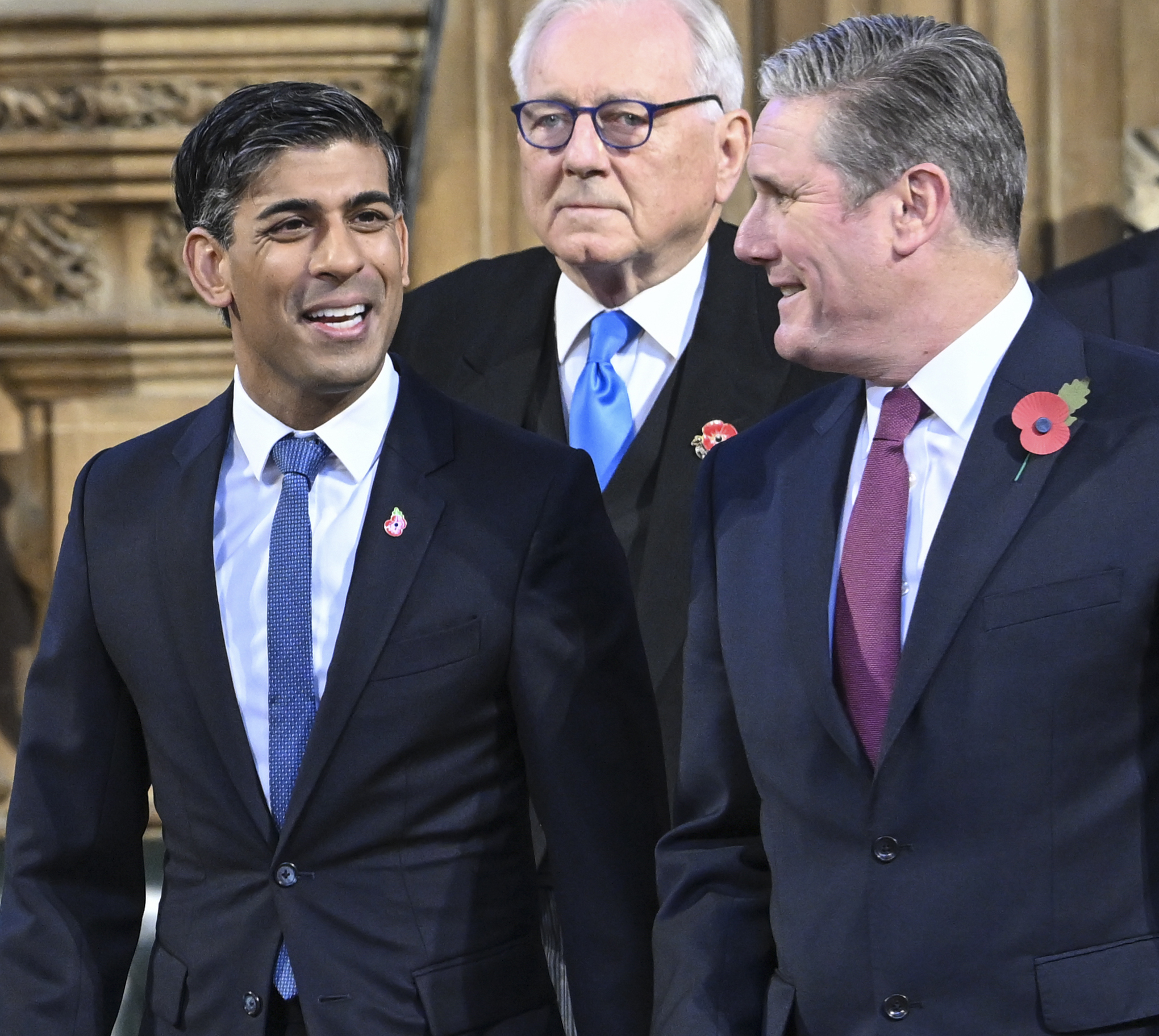
Prime Minister Keir Starmer announced his resignation as leader of the Labour Party and the United Kingdom on Monday [1].
The departure marks a significant shift in British governance, as Starmer exits under intense pressure from within his own party. This move triggers a leadership transition that positions Andy Burnham to potentially become the next prime minister [2].
Starmer delivered the announcement during a speech outside No. 10 Downing Street in London [3]. The resignation follows a period of mounting tension among Labour MPs and the looming prospect of a formal leadership challenge [4]. By setting a timetable for his departure, Starmer has initiated the process to identify a successor to lead both the government and the party [1].
Financial markets reacted immediately to the political instability. The pound fell as much as 0.4% against the U.S. dollar following the announcement [5]. This volatility underscores the sensitivity of the UK economy to leadership transitions during periods of internal party strife.
This transition continues a trend of rapid turnover in the UK's highest office. The United Kingdom will now have its seventh prime minister in just over a decade [6].
While some early reports indicated Starmer was merely under pressure to step down, the prime minister said he decided to resign during the address [1], [7]. The move comes as the party navigates internal divisions, highlighted by recent political challenges including a crunch by-election in Makerfield [8].
“The United Kingdom will have its seventh prime minister in just over a decade.”
The resignation of Keir Starmer reflects a deepening fragility within the Labour leadership and a broader pattern of political instability in the UK. With Andy Burnham positioned as a likely successor, the transition may signal a shift in the party's strategic direction to appease dissatisfied MPs. The immediate market reaction suggests that investors remain wary of the UK's ability to maintain administrative continuity amidst frequent leadership changes.