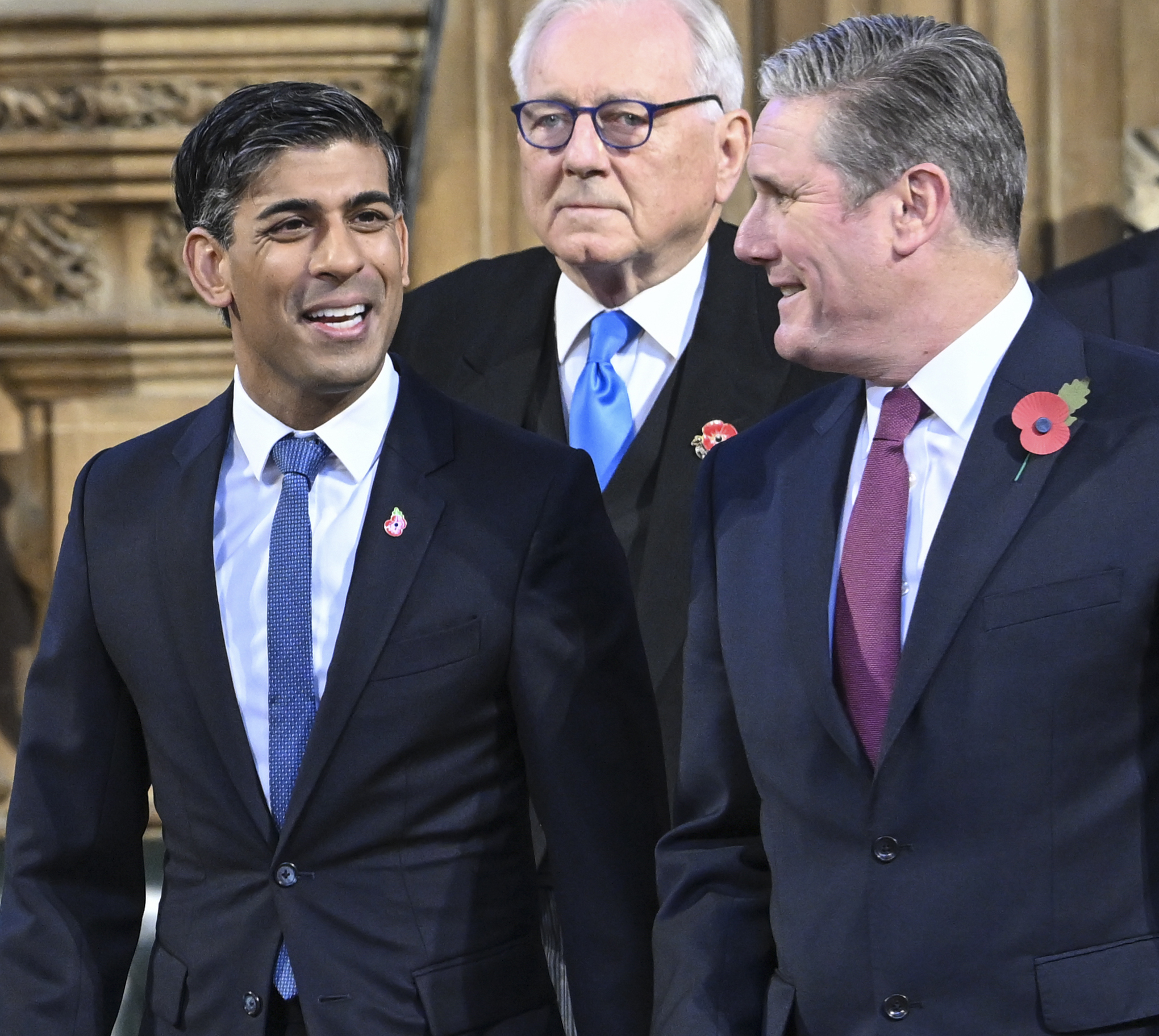
UK Prime Minister Keir Starmer announced his resignation as head of the government and leader of the Labour Party on Monday.
The departure marks a significant shift in British leadership during a period of political uncertainty. Starmer's exit continues a trend of rapid leadership turnover in the UK, where six different individuals have served as prime minister over the last 10 years [2].
Speaking from the gates of No. 10 Downing Street, the 63-year-old leader [1] delivered a farewell address. During the speech, Starmer appeared with tears as he reflected on his tenure. "It has been the proudest moment of my life," Starmer said [1].
He confirmed the immediate nature of his decision to step down from both his role as prime minister and his position within the Labour Party. "I will resign as Prime Minister and as leader of the Labour Party," Starmer said [2].
The resignation follows an unconventional diplomatic incident involving former U.S. President Donald Trump. Reports indicate that Trump broke diplomatic protocol by sharing news of the resignation in advance. While some reports suggest this occurred a day prior, others state it happened hours before the official announcement [2].
Starmer did not explicitly state the reason for his resignation during the address. However, the Labour Party has already established a timeline for succession. The party aims to have a new leader in place by September 2026 [3].
The announcement leaves the UK government in a transition phase as the Labour Party begins the process of selecting a successor to lead the country.
“"It has been the proudest moment of my life."”
Starmer's resignation intensifies the perception of instability within the UK's executive branch, following a decade of frequent leadership changes. The fact that a foreign leader pre-announced the news suggests a potential breach in diplomatic communication or an unusual level of external influence on the timing of the exit. The September deadline for a new leader creates a tight window for the Labour Party to resolve internal power struggles and maintain government continuity.